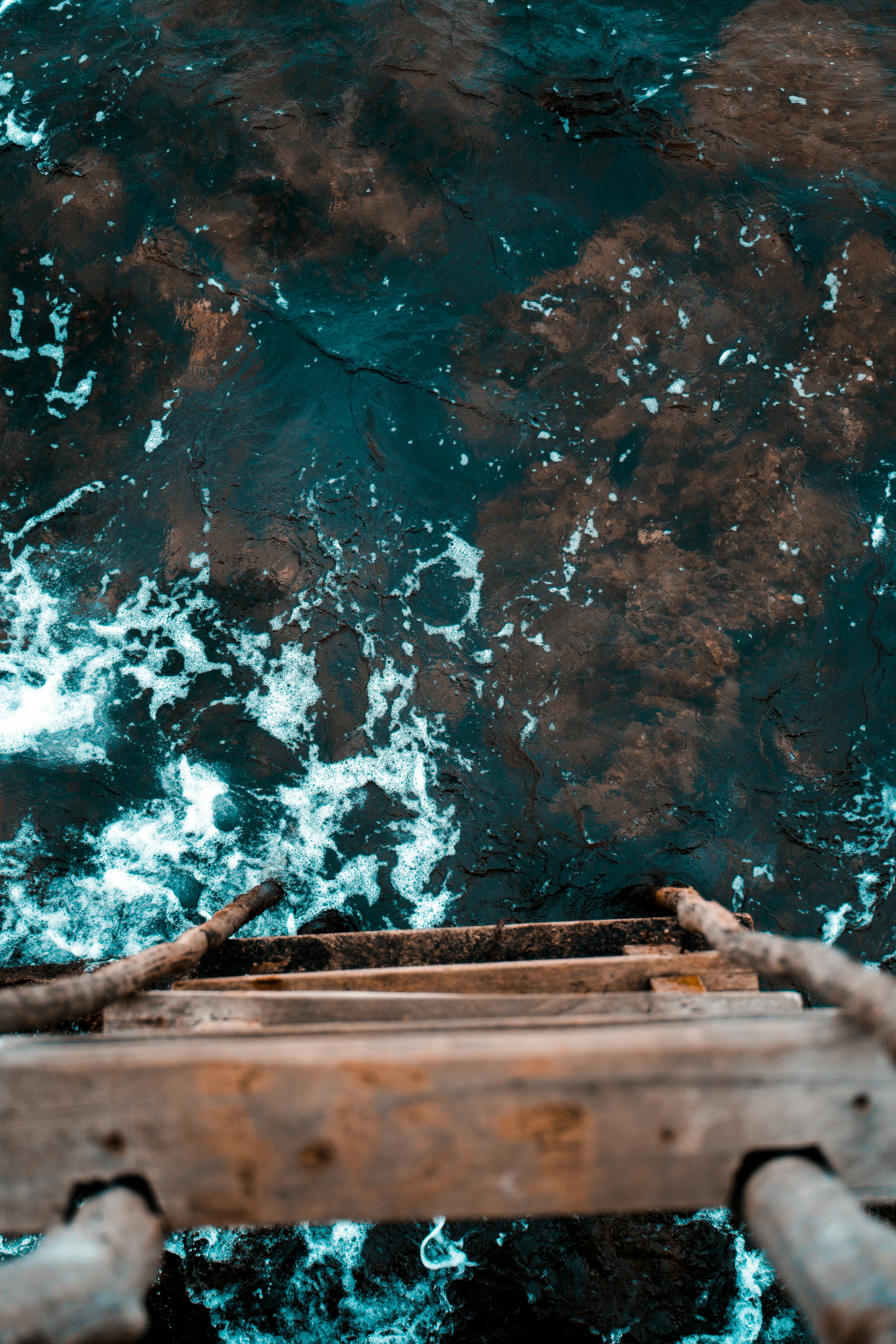

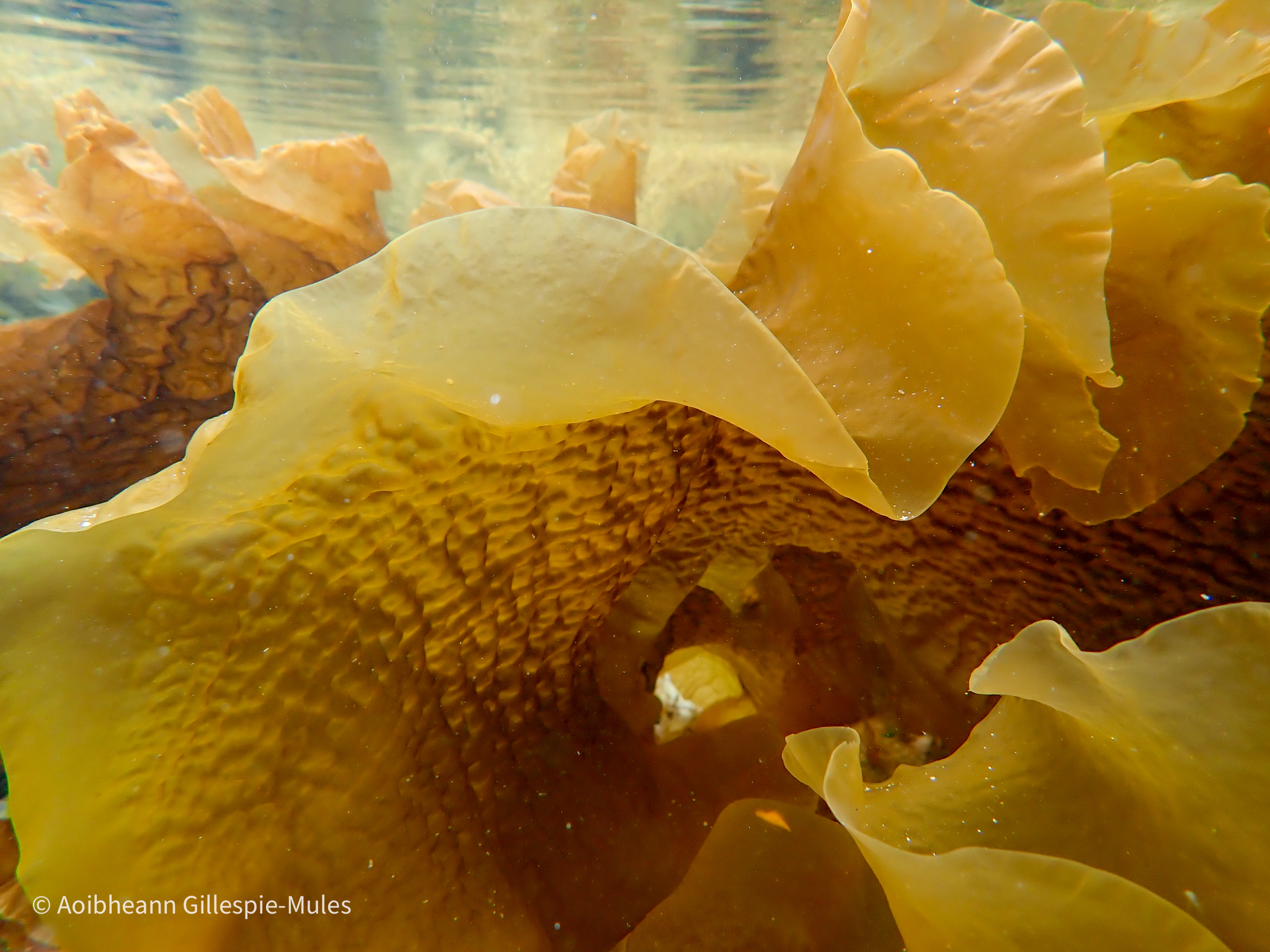
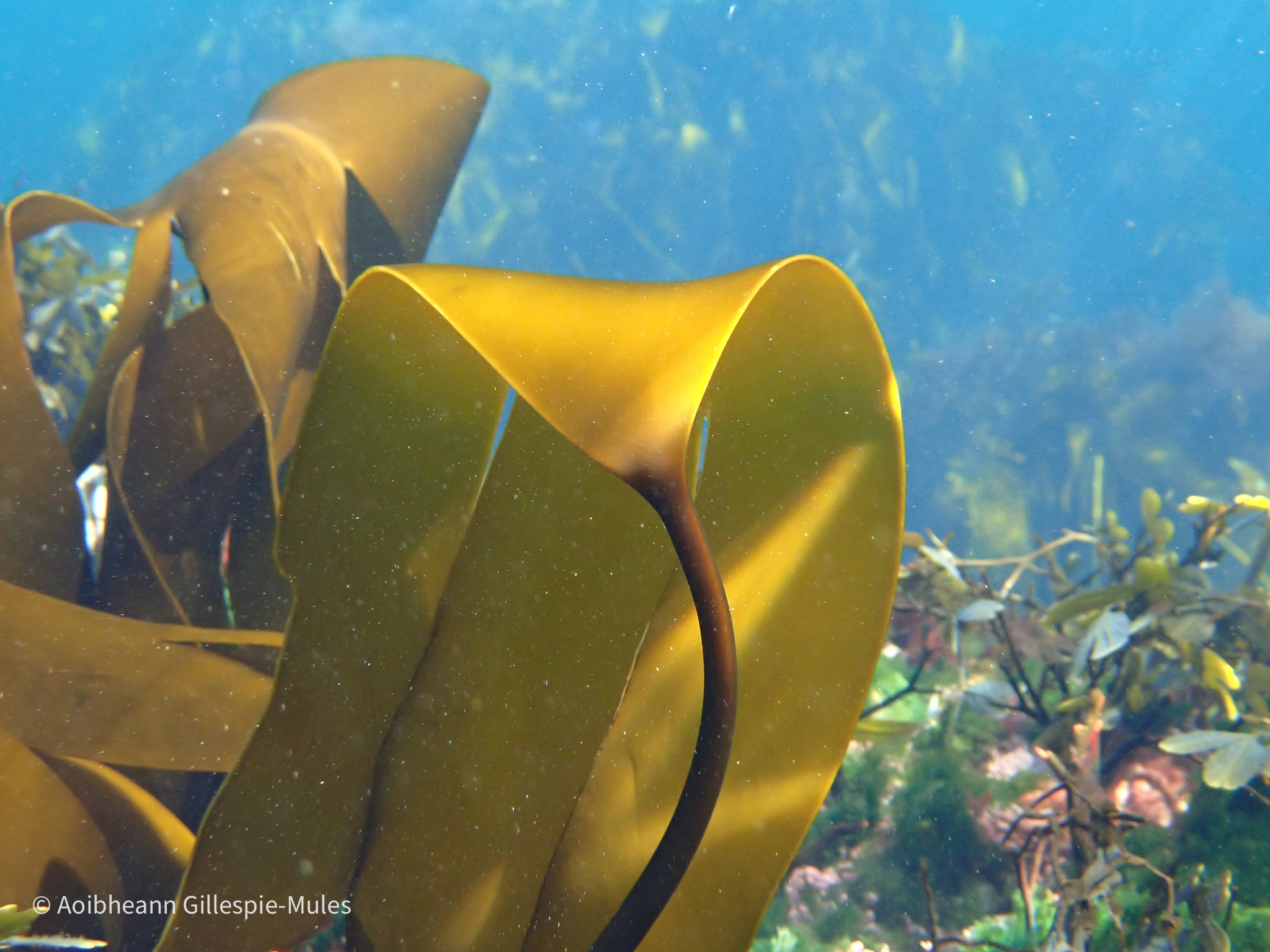
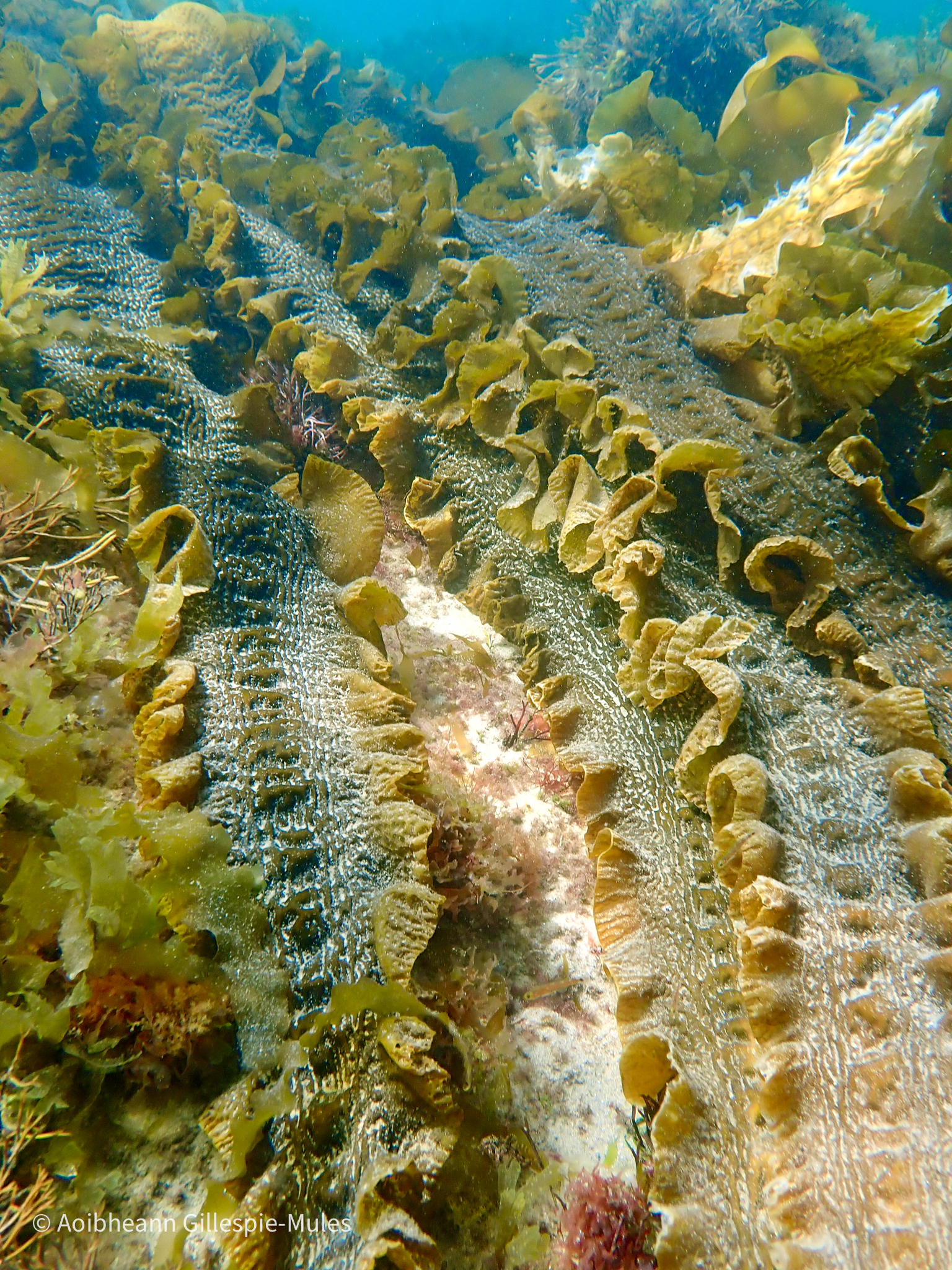
Kelp forests are among the most ecologically significant habitats in temperate coastal ecosystems. These large brown macroalgae act as foundation species, creating extensive three dimensional structure in otherwise relatively featureless rocky environments. Through their physical presence, they alter local water movement, dampen wave energy, influence light availability, and drive high levels of primary production. In doing so, kelp forests generate a mosaic of interconnected habitats that support diverse and dynamic biological communities.
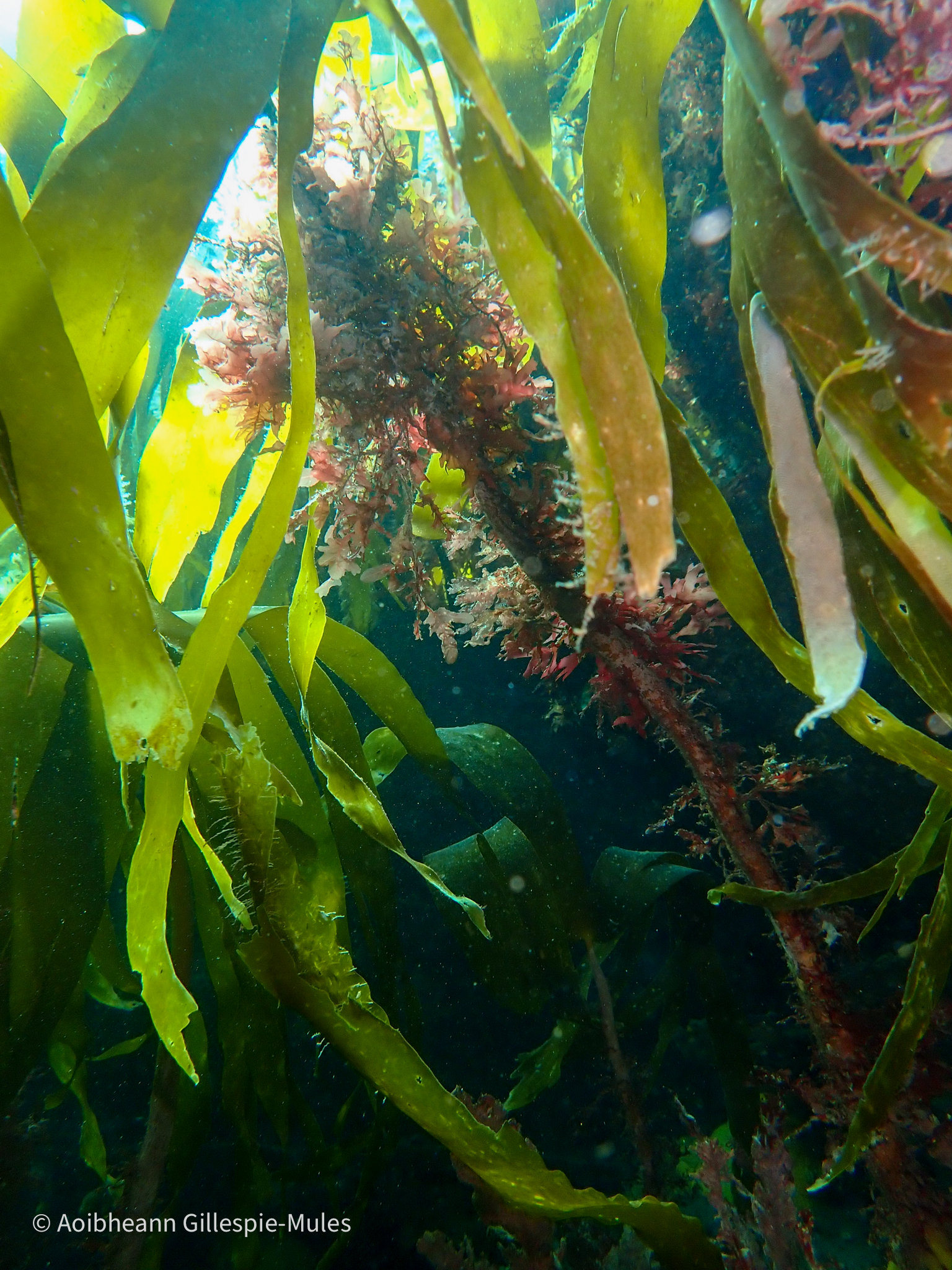
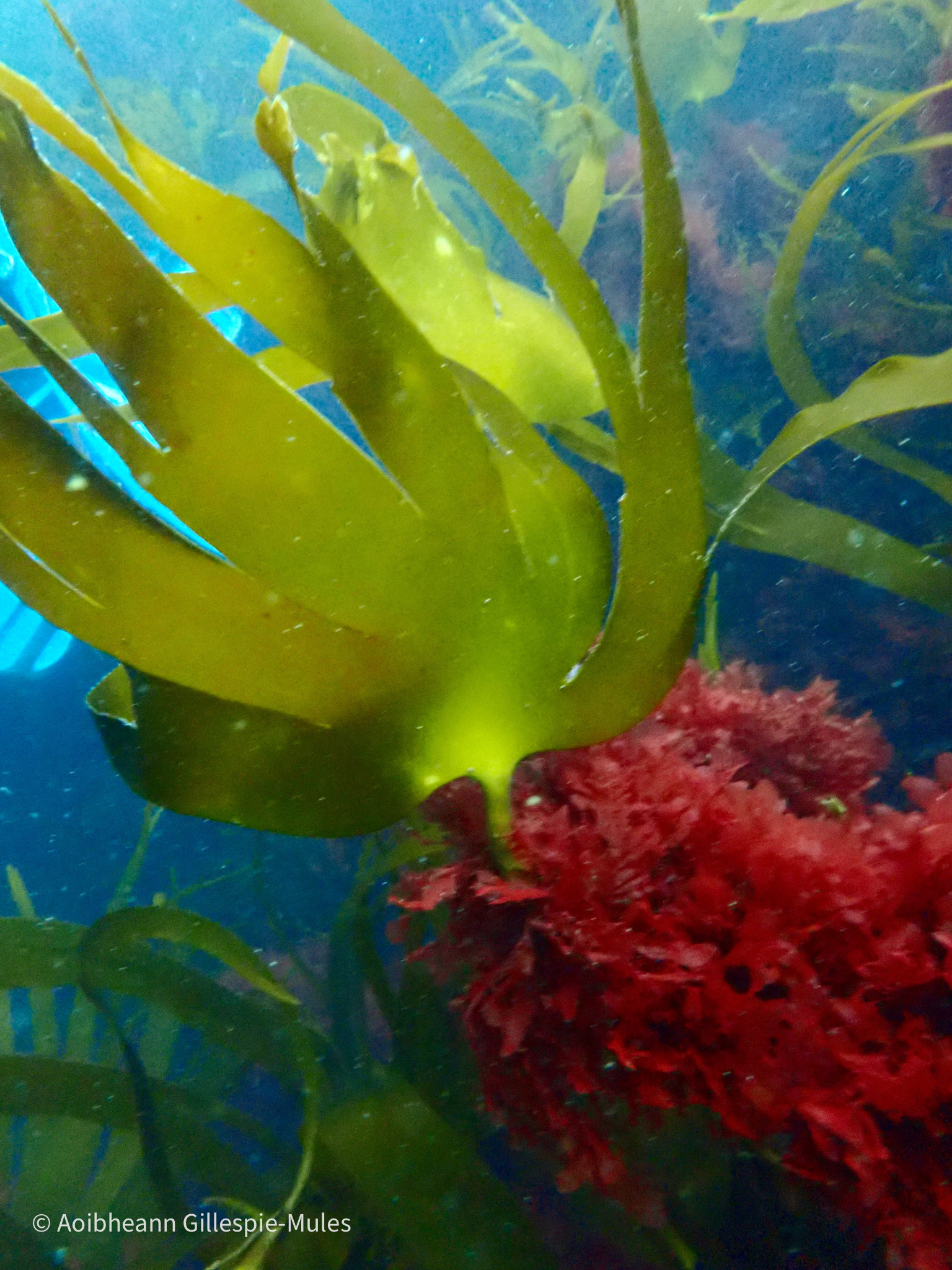
Their canopy, understory, and the surrounding rocky substratum provide shelter, nursery grounds, and feeding areas for a wide range of fish and invertebrates. Species such as Laminaria hyperborea support rich assemblages of epiphytes, often red seaweeds, as well as epibionts that colonise the stipe and blades. The holdfast, an intricate tangle of root-like structures, forms a compact yet highly complex refuge that harbours remarkable biodiversity relative to its size. Through habitat provision, trophic support, and environmental modification, kelp forests function as biodiversity hotspots and play a central role in maintaining the structure and resilience of temperate coastal ecosystems.
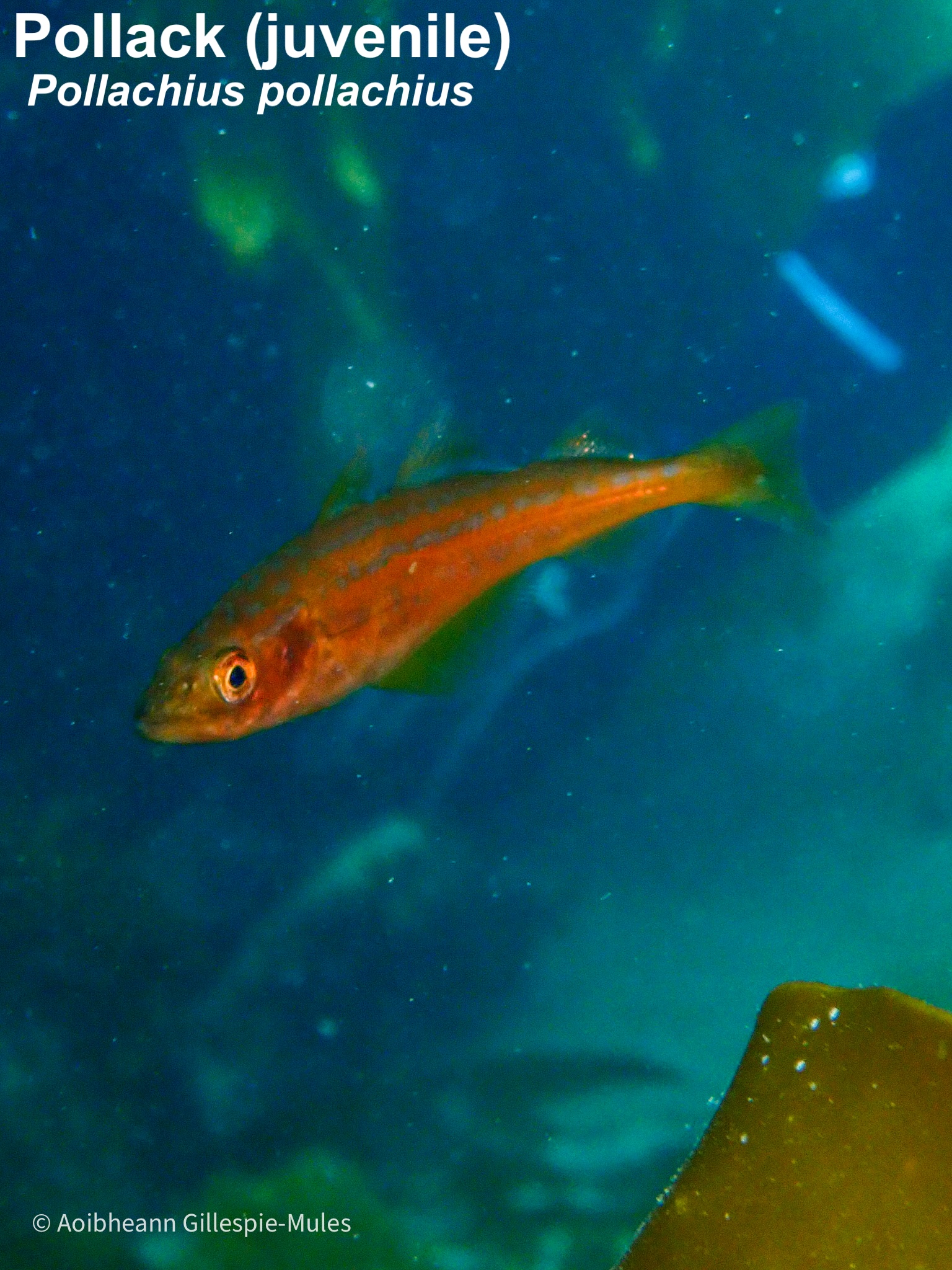
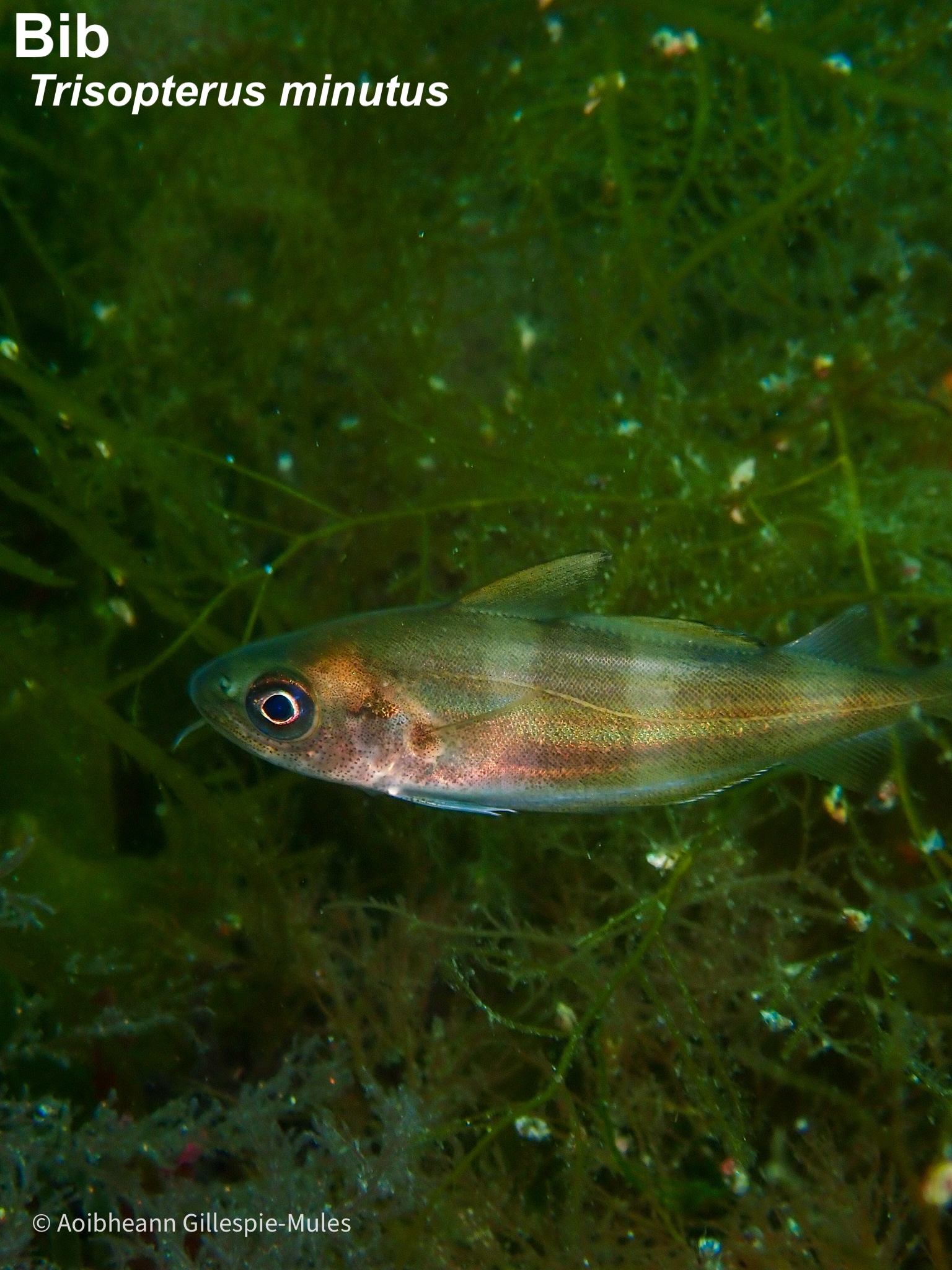
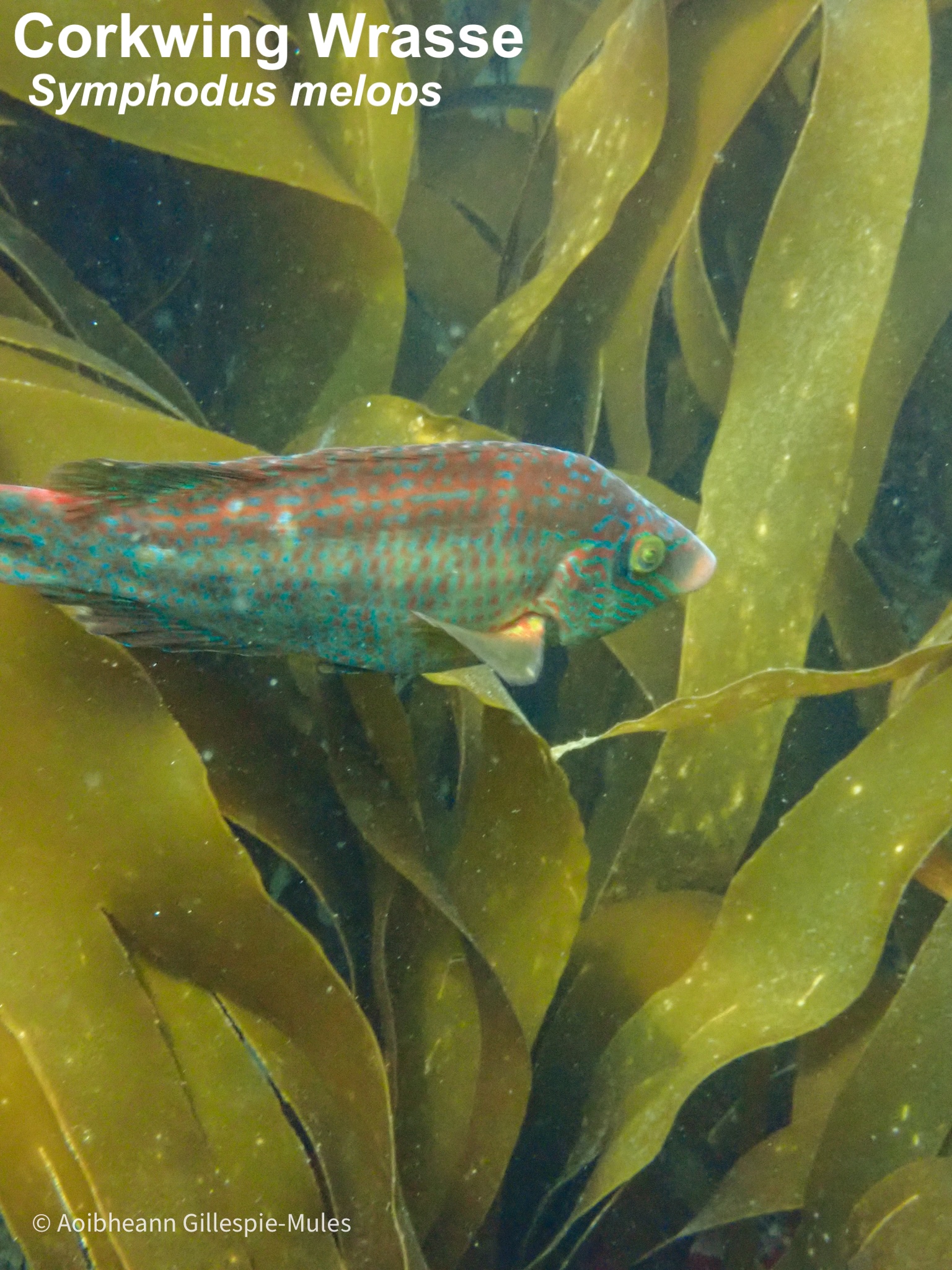
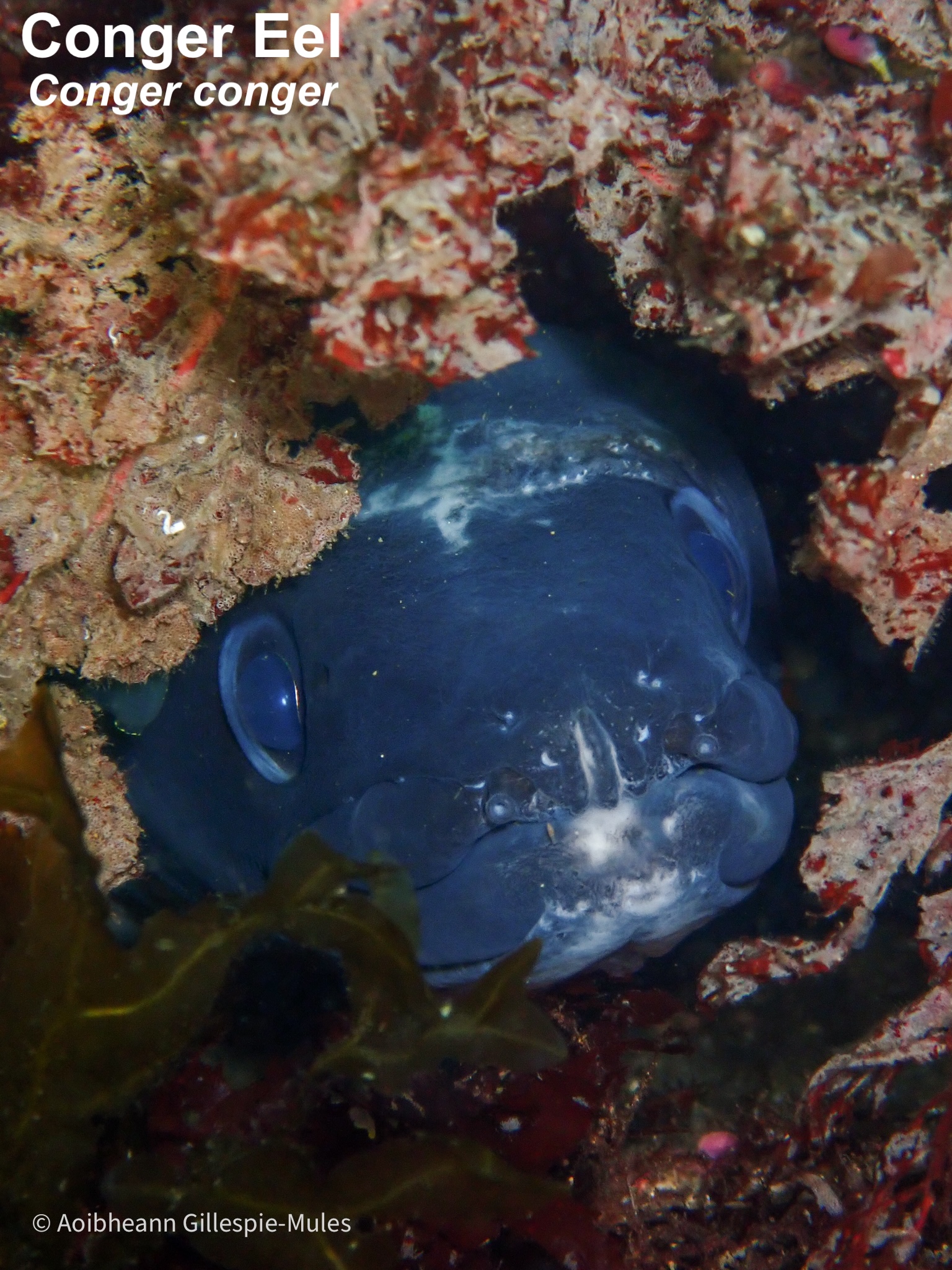
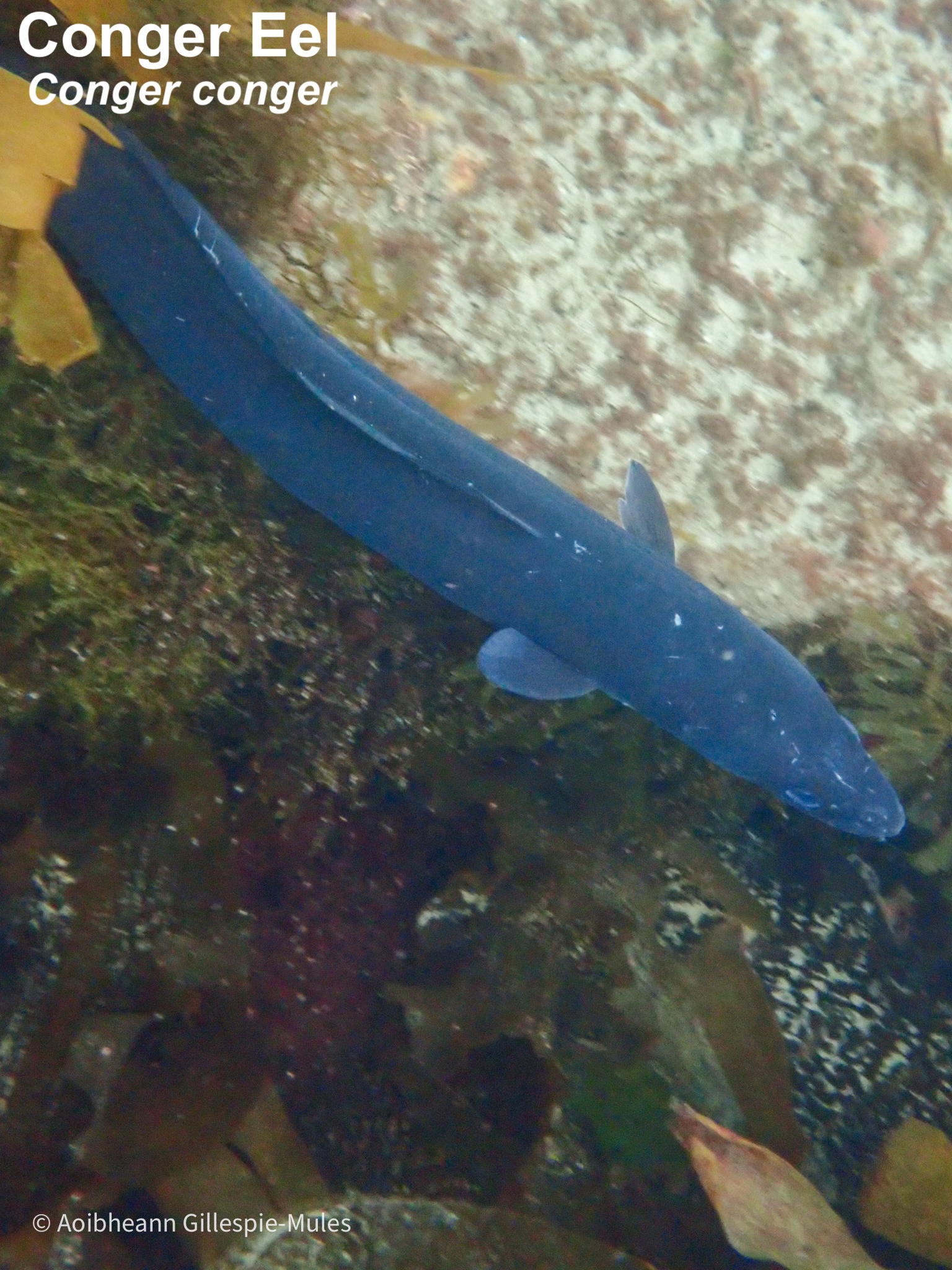
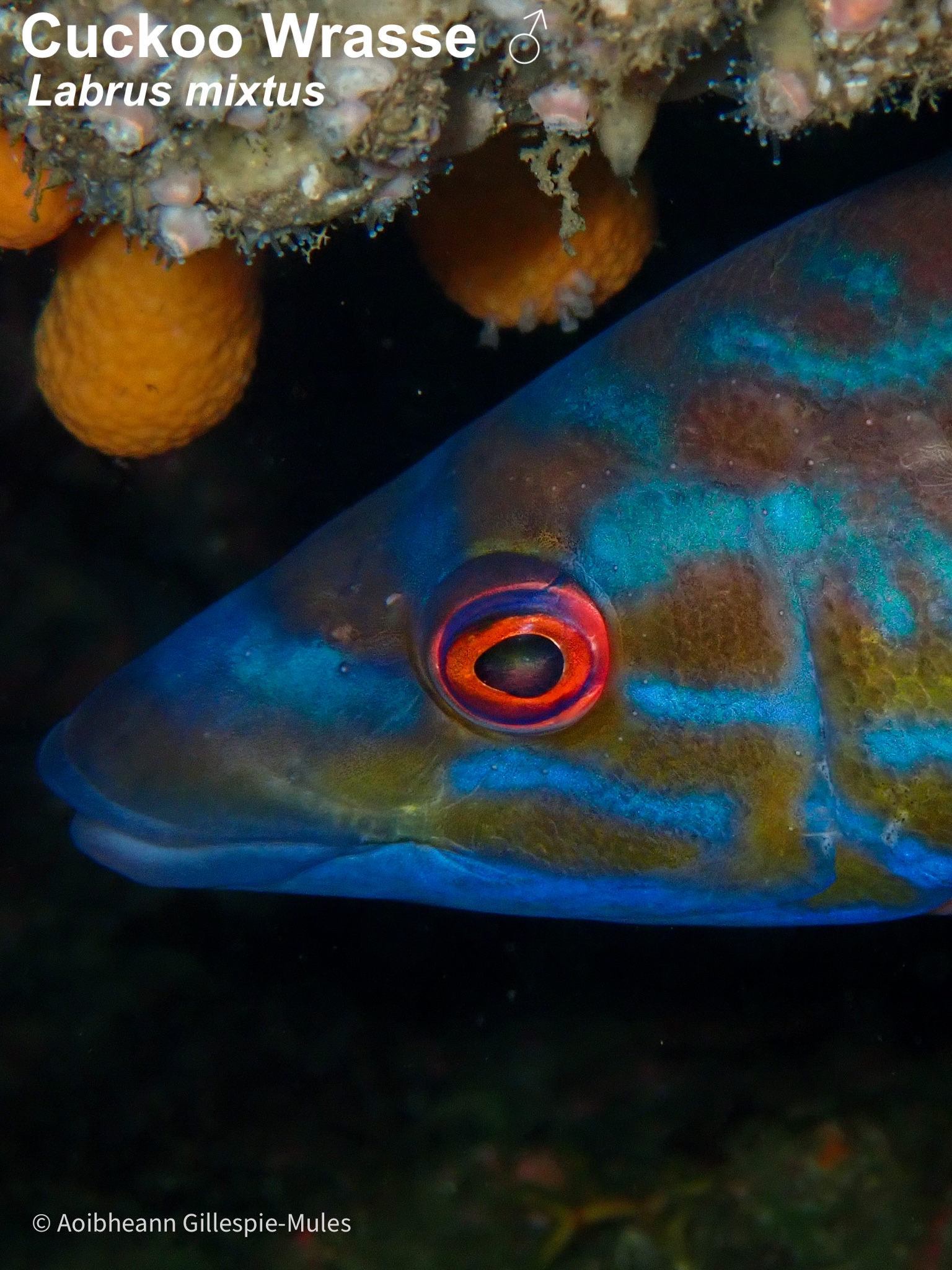
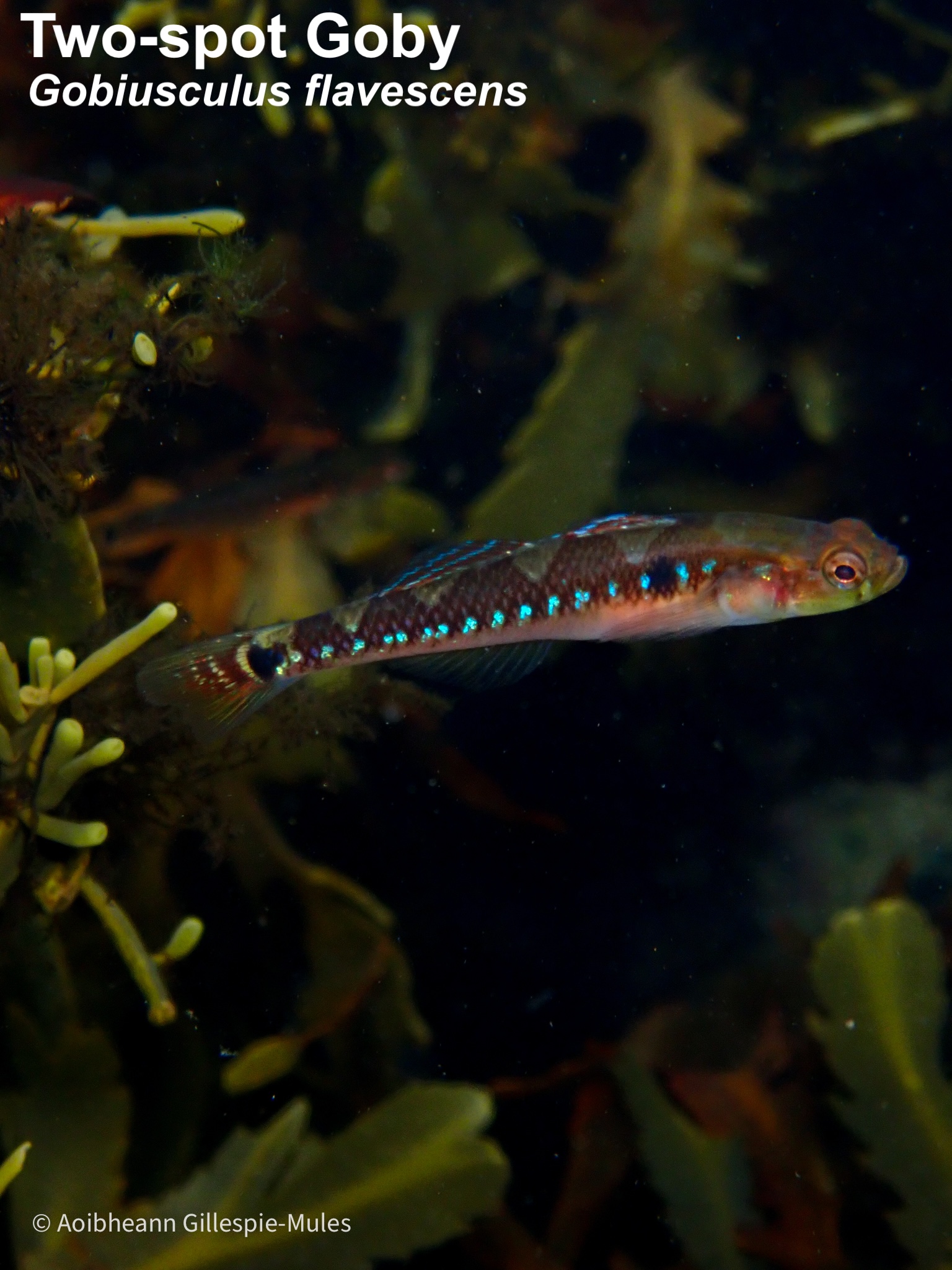
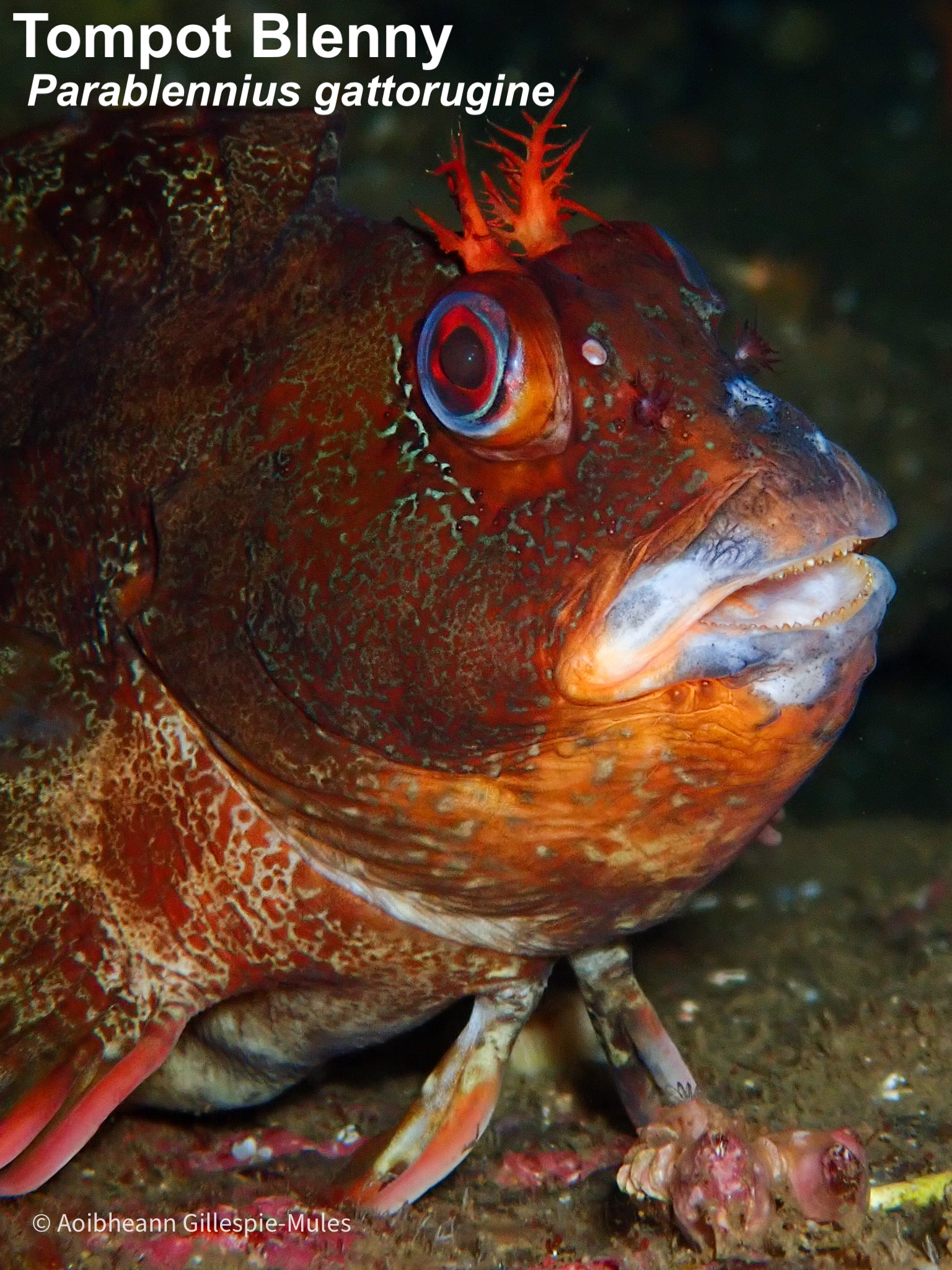
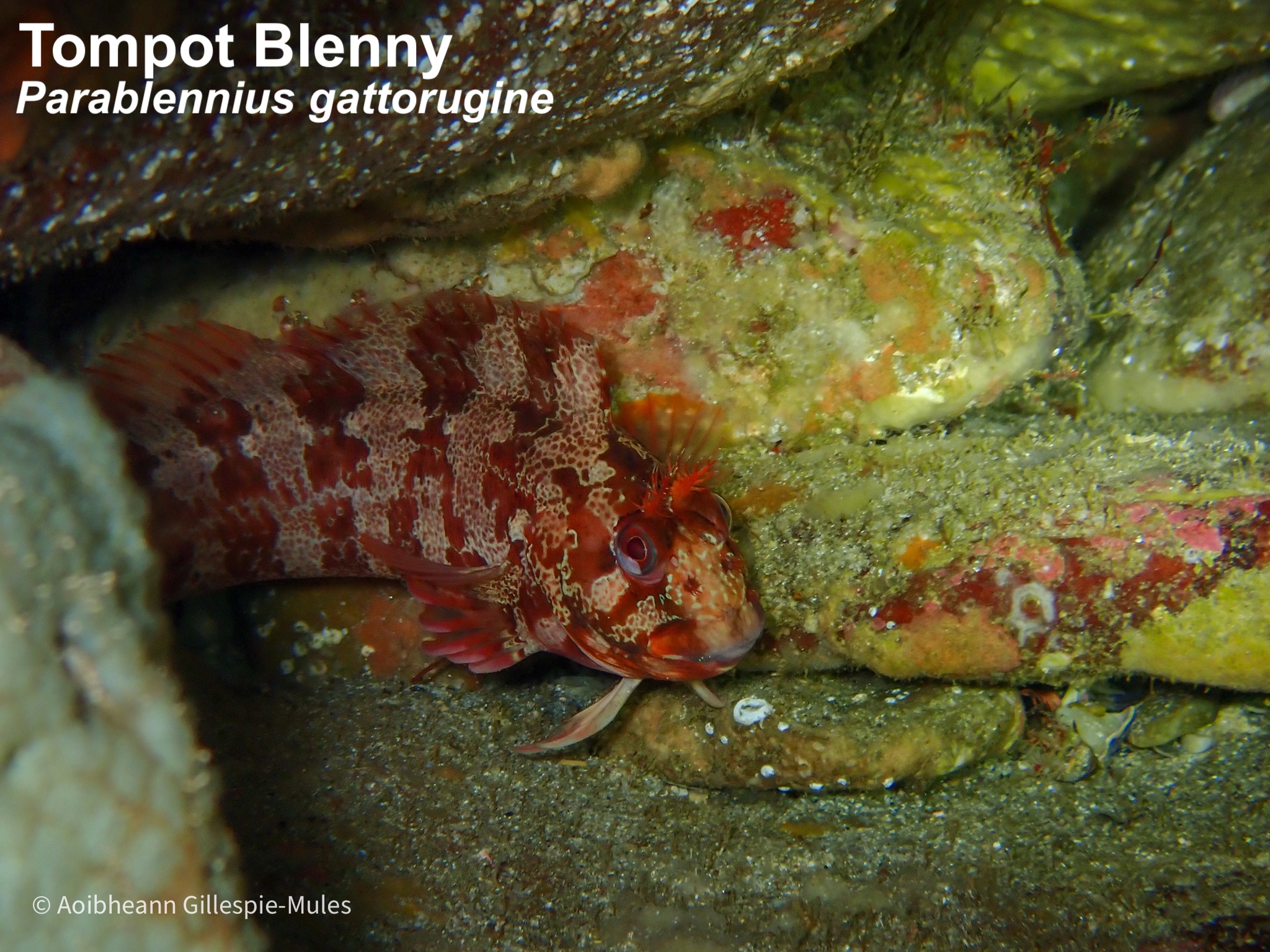
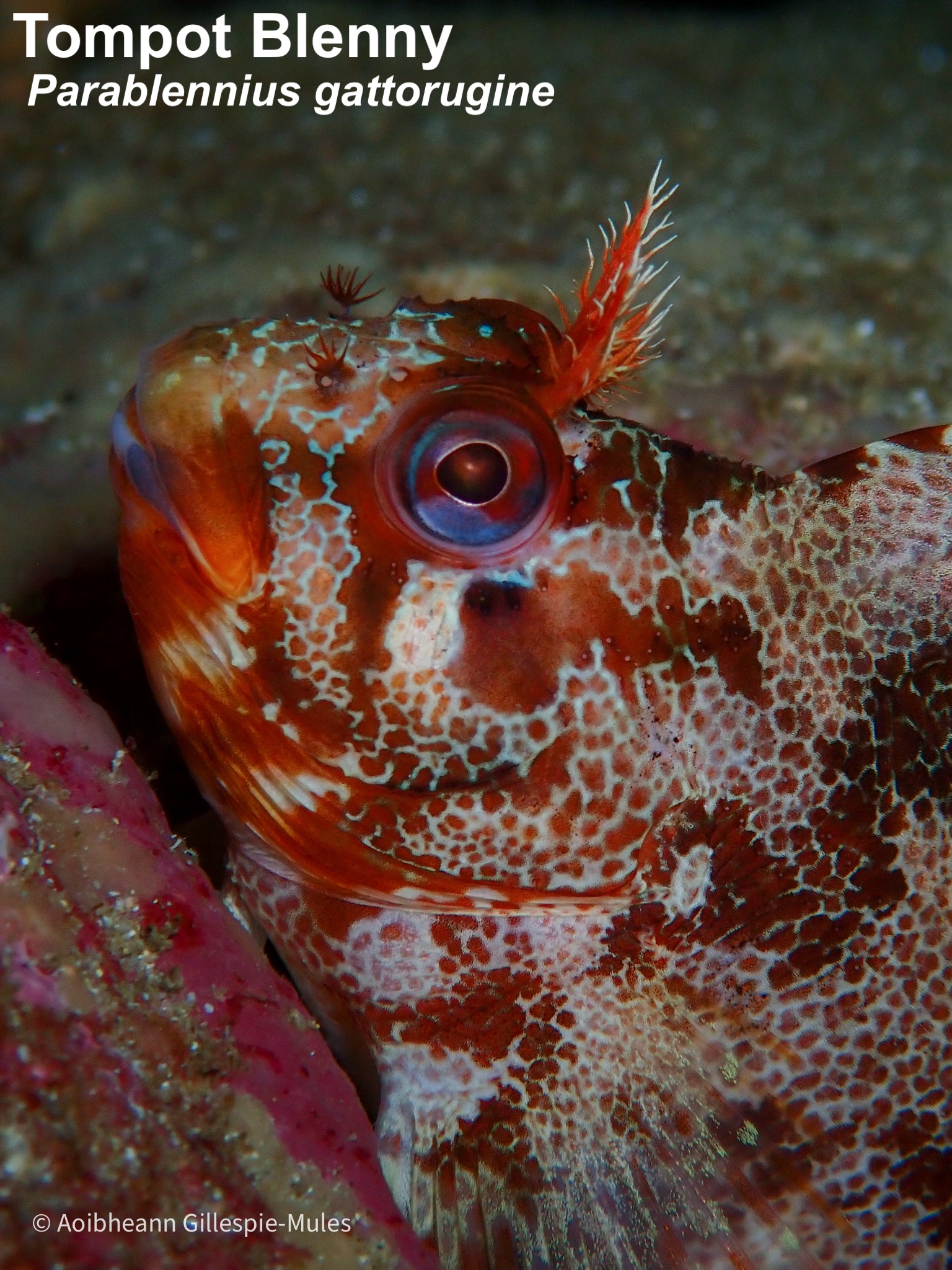
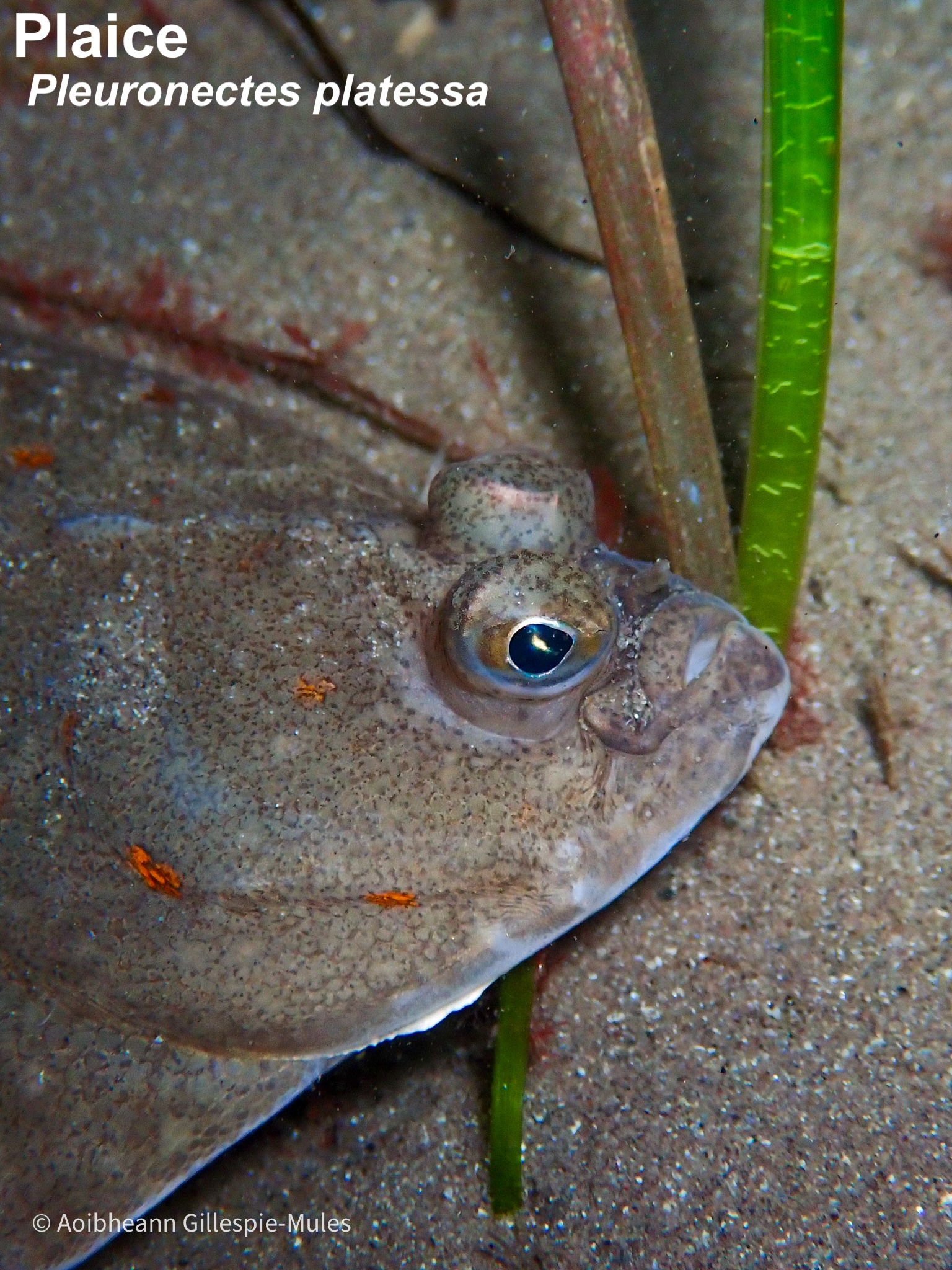
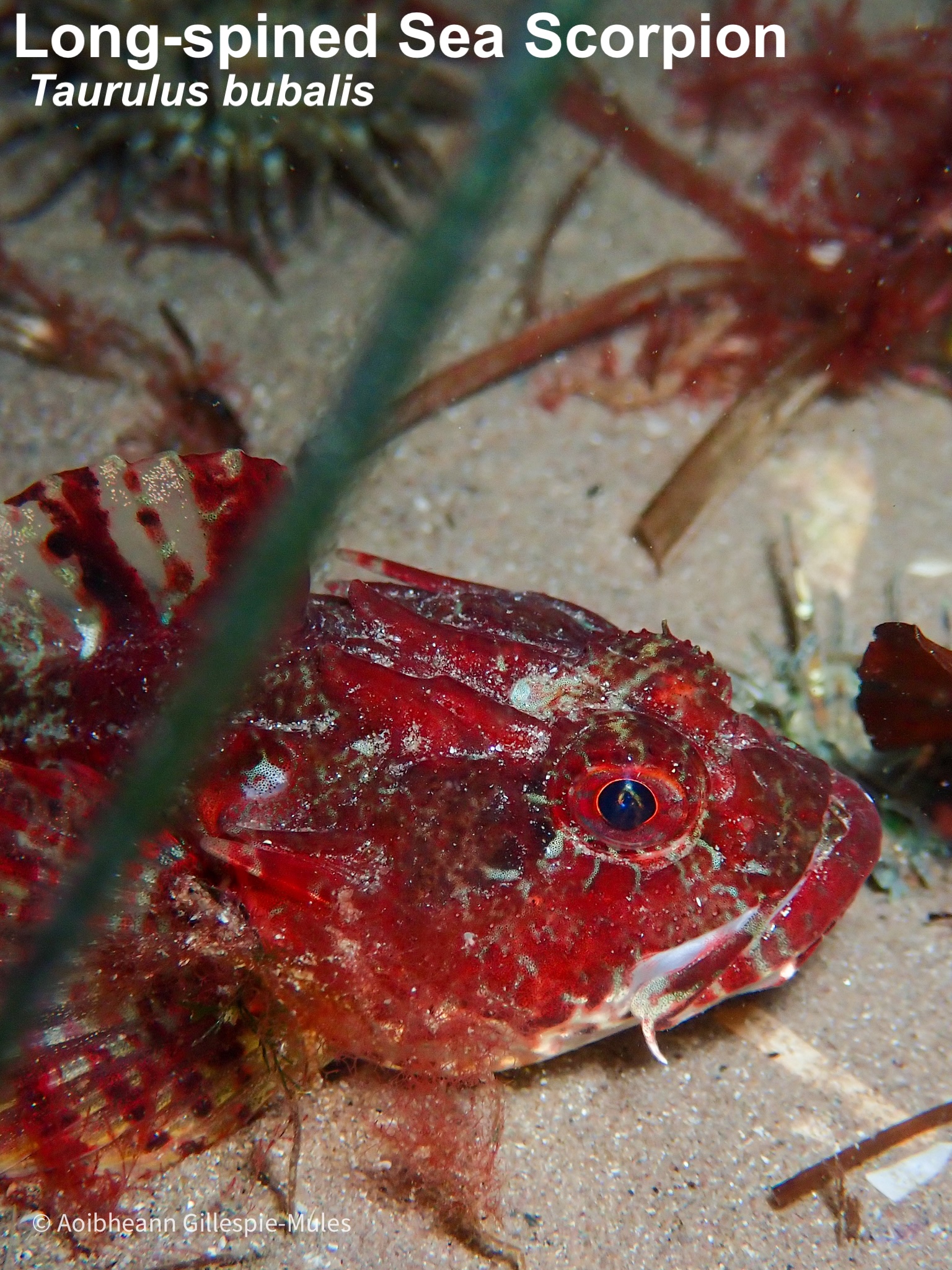
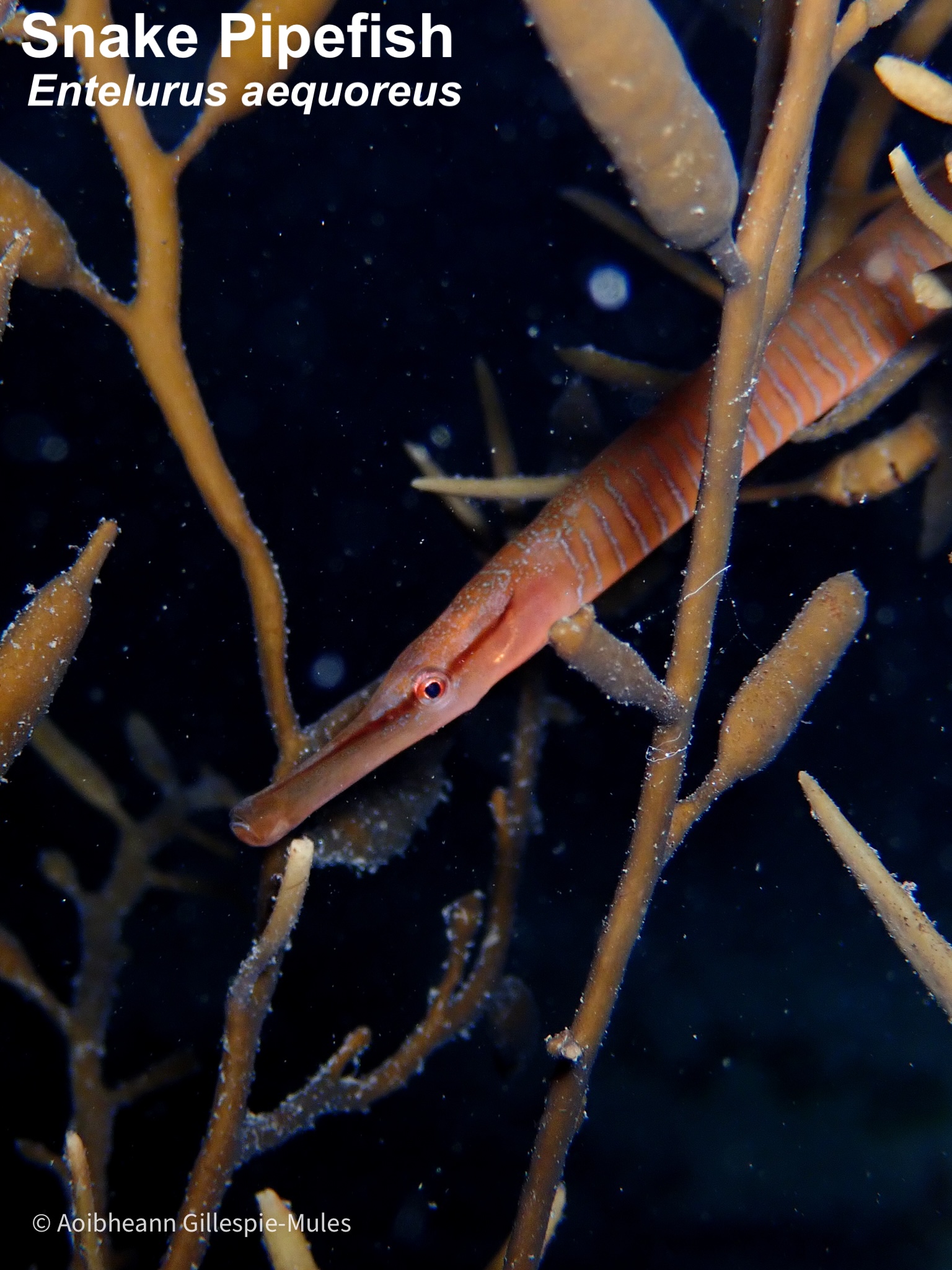
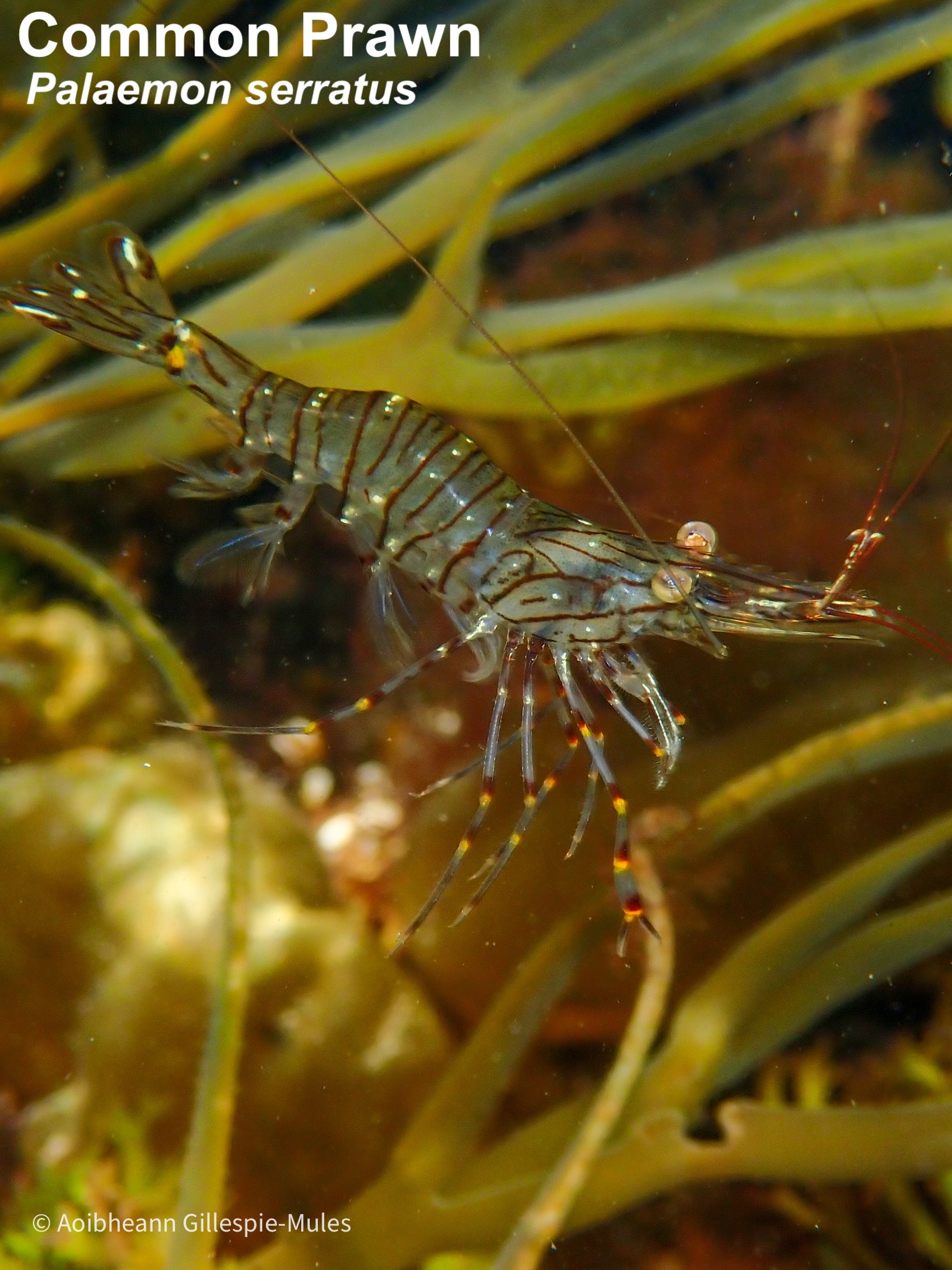
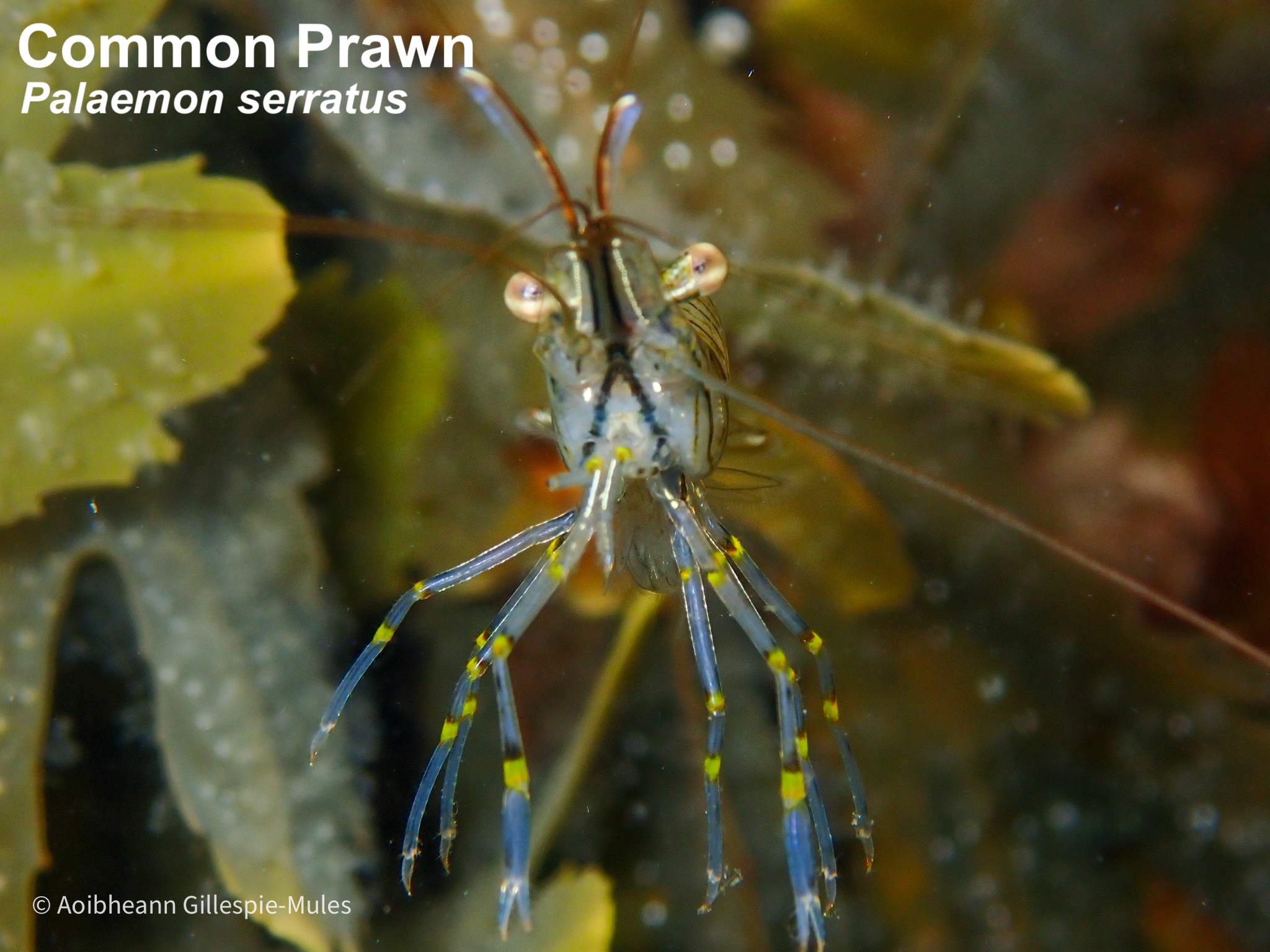
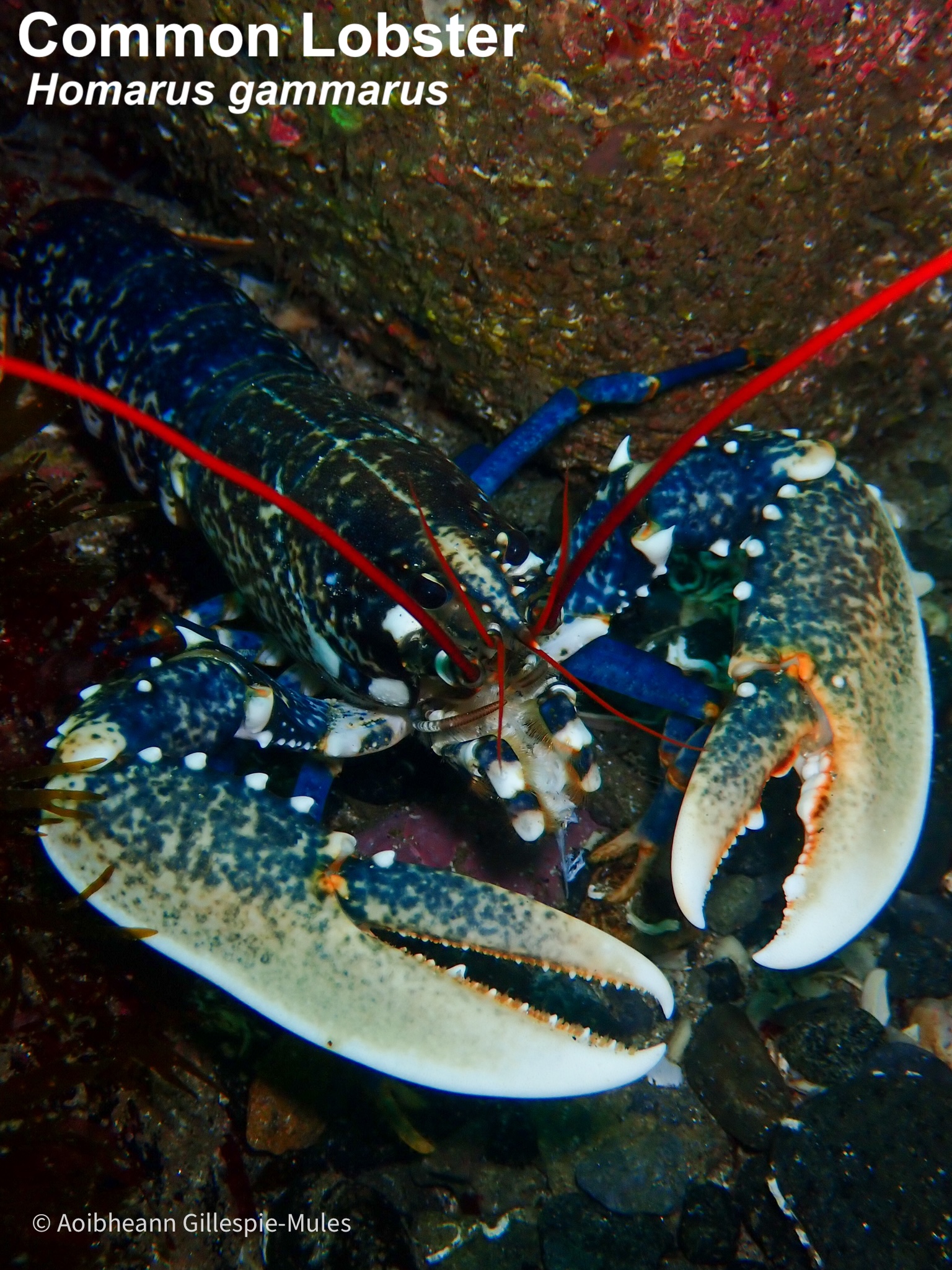
Check out some of the species found within these kelp forests below:
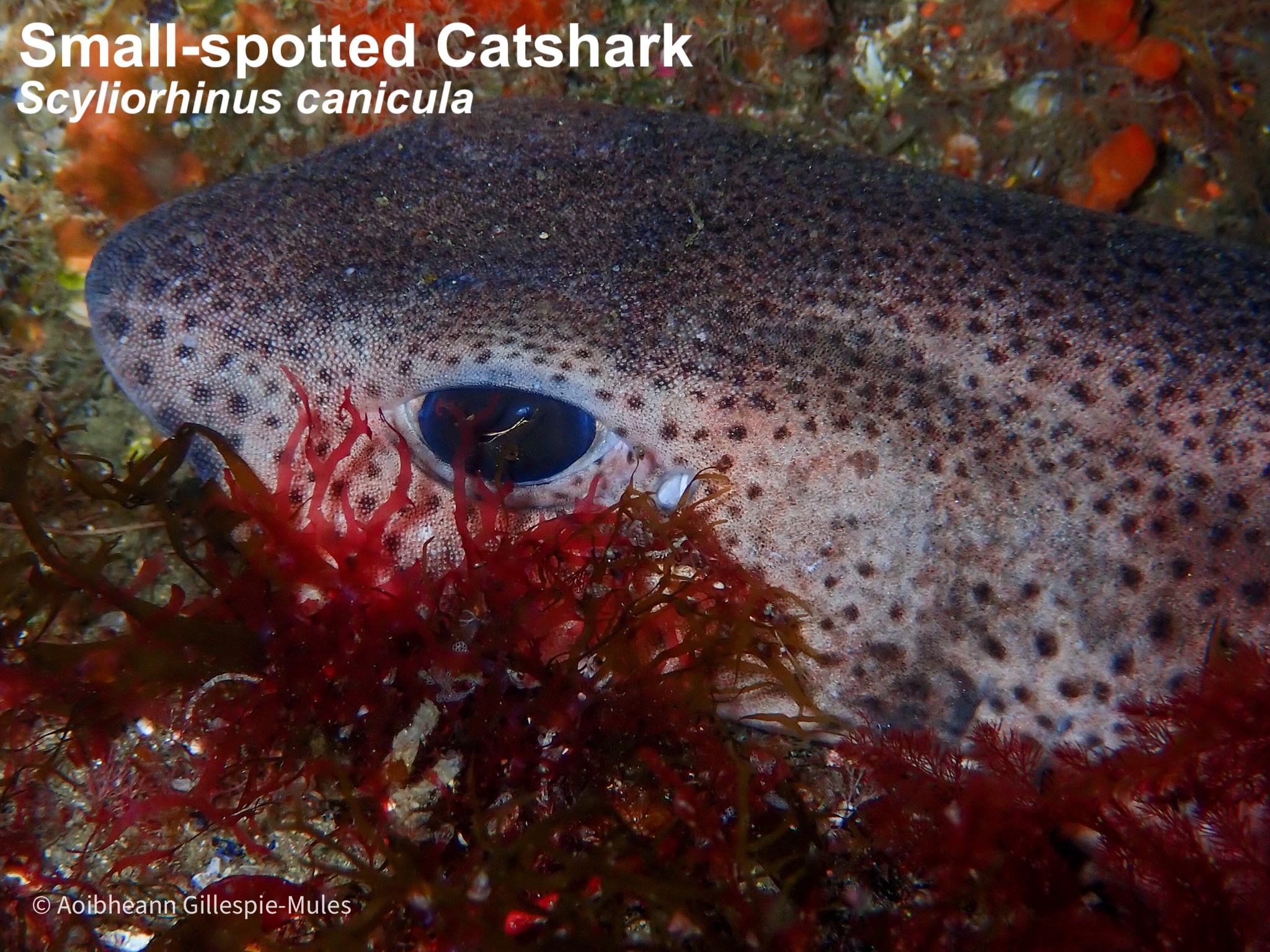
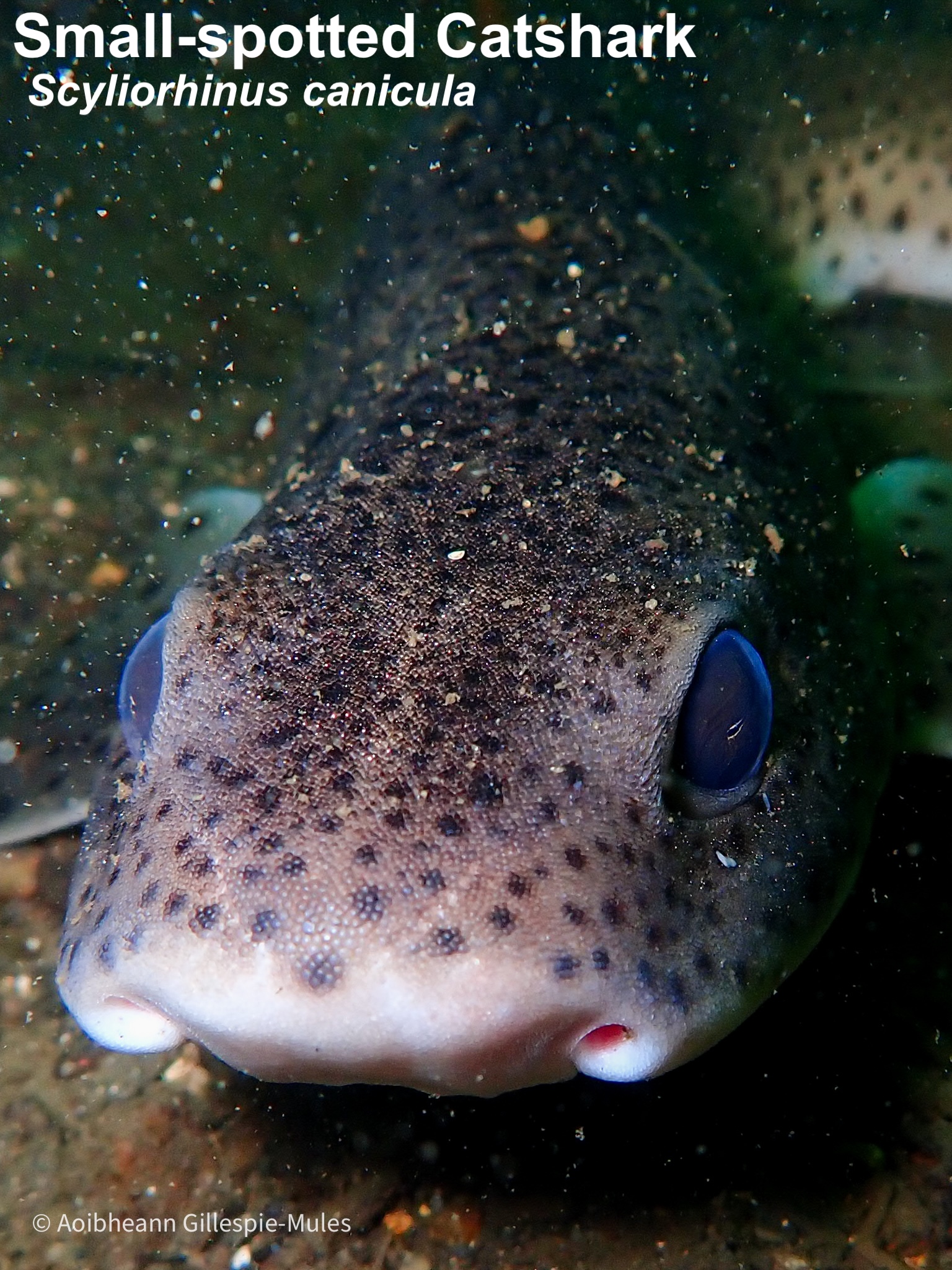
Fish
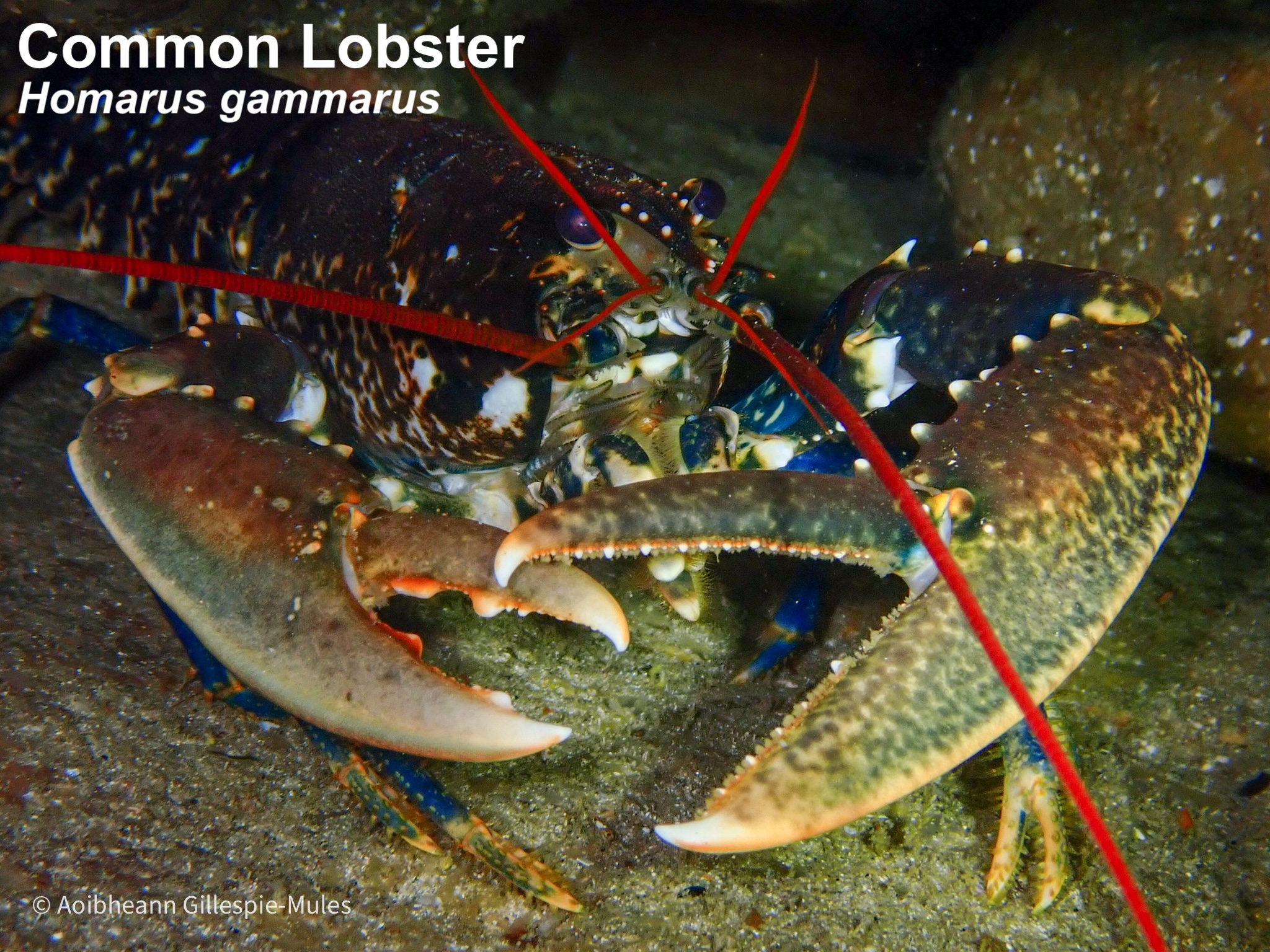
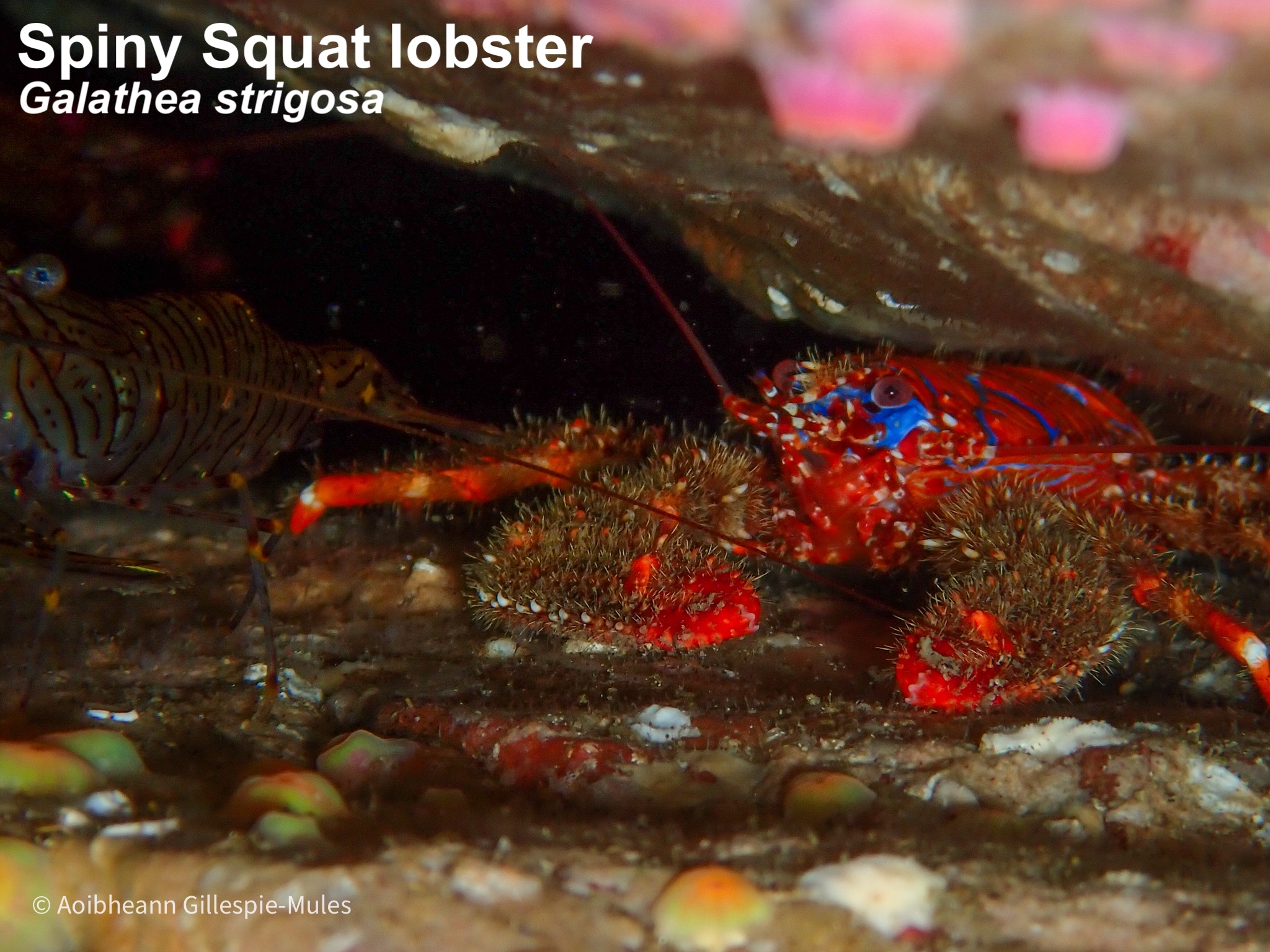
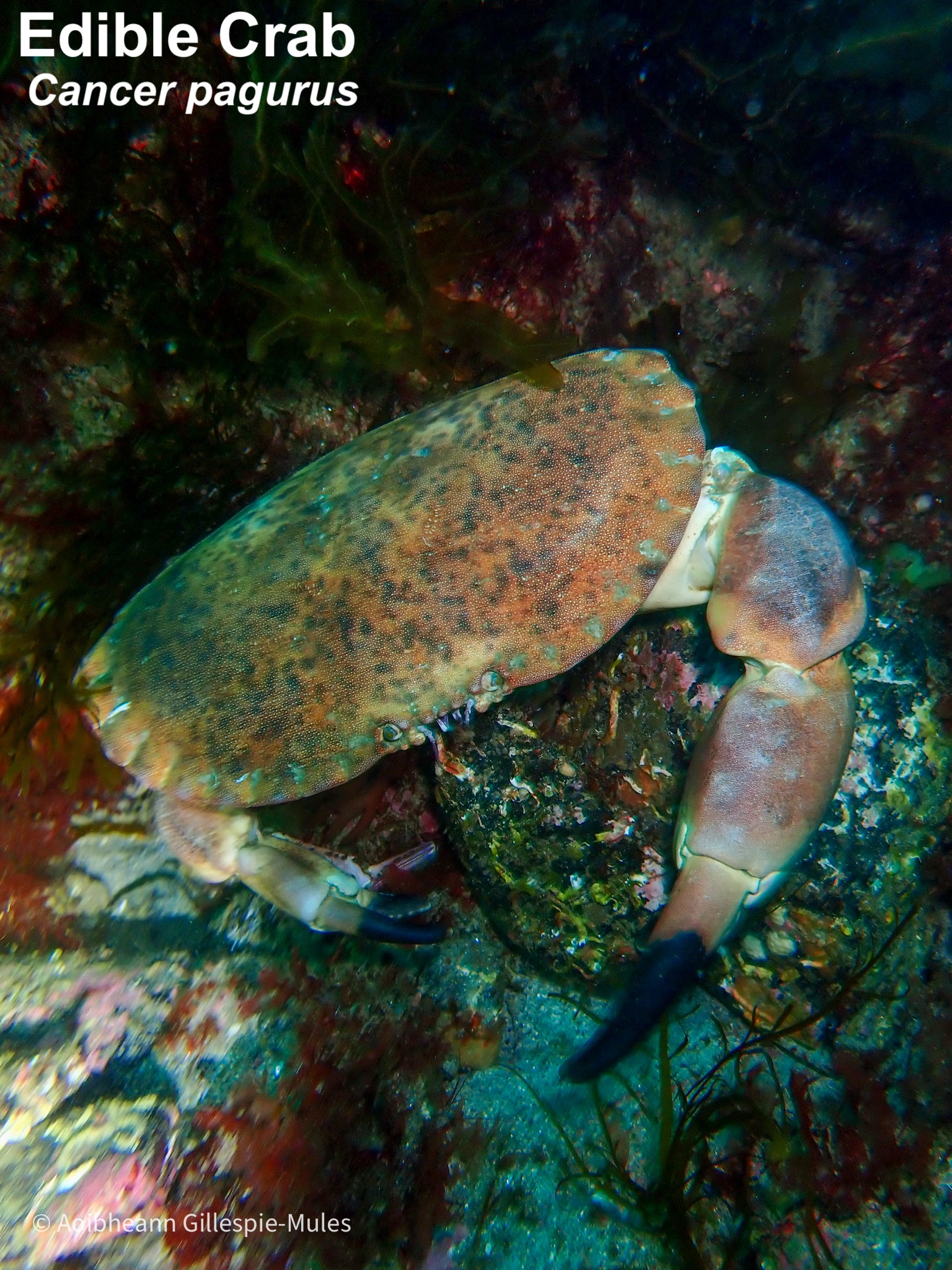
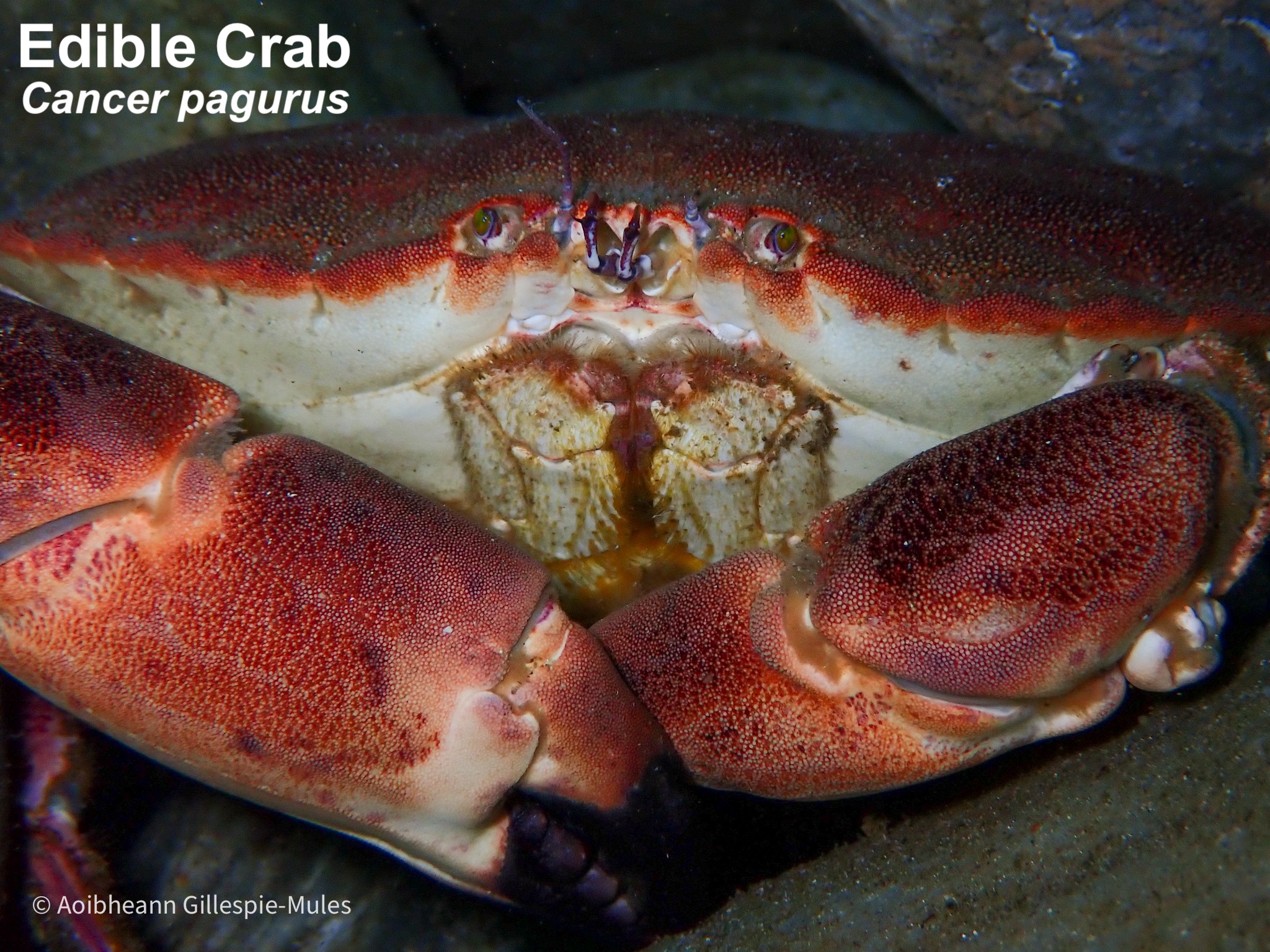
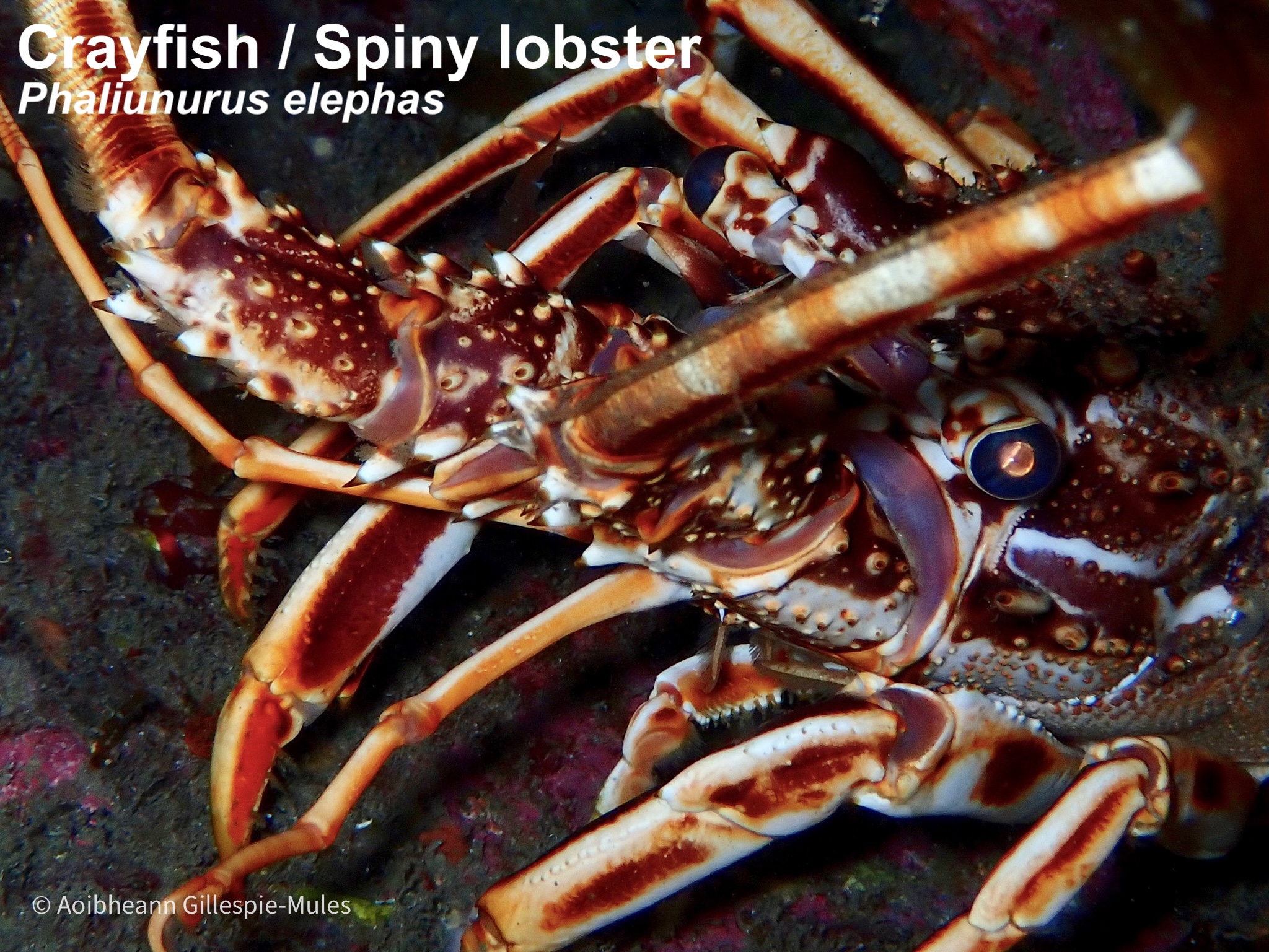
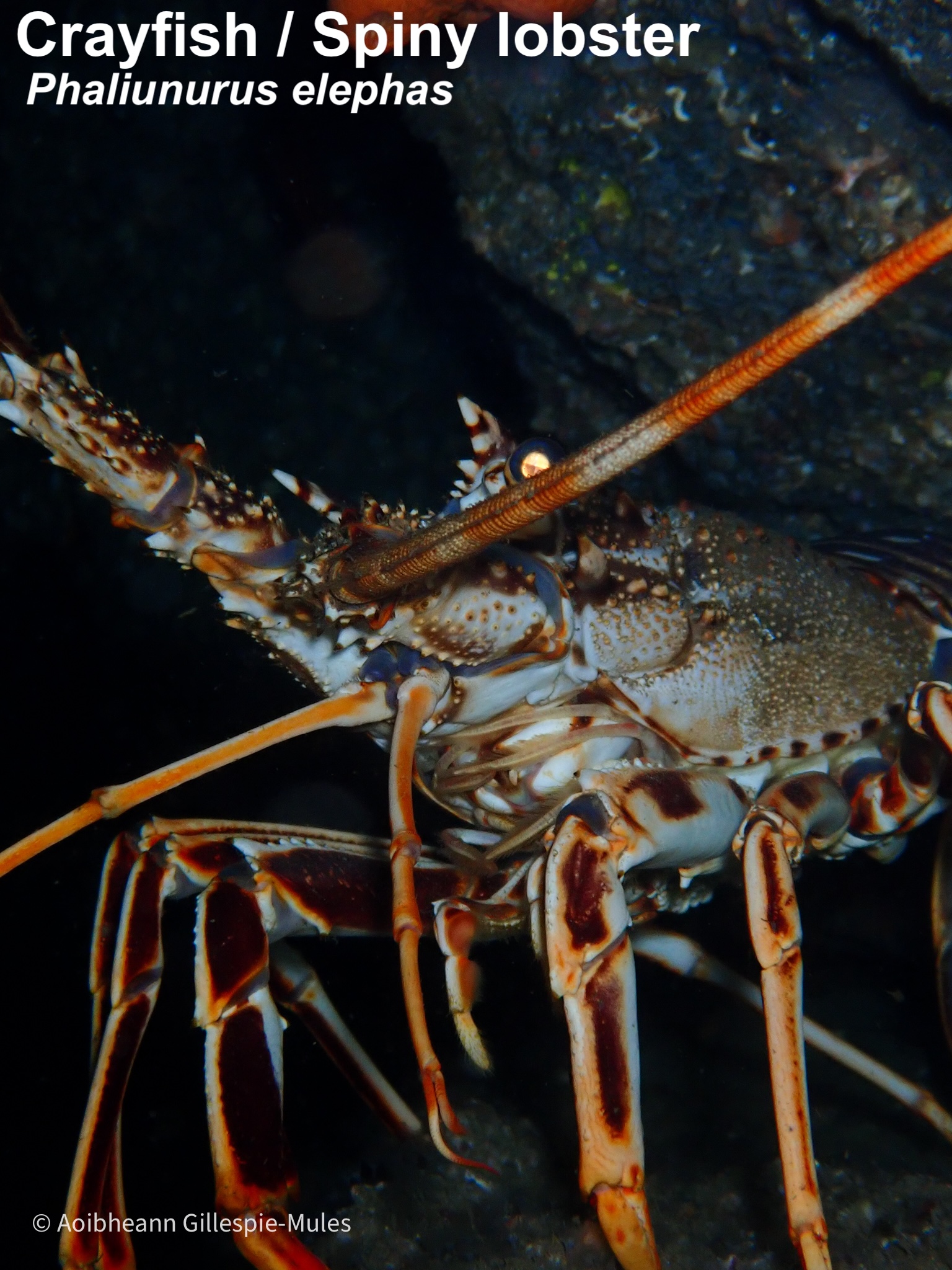
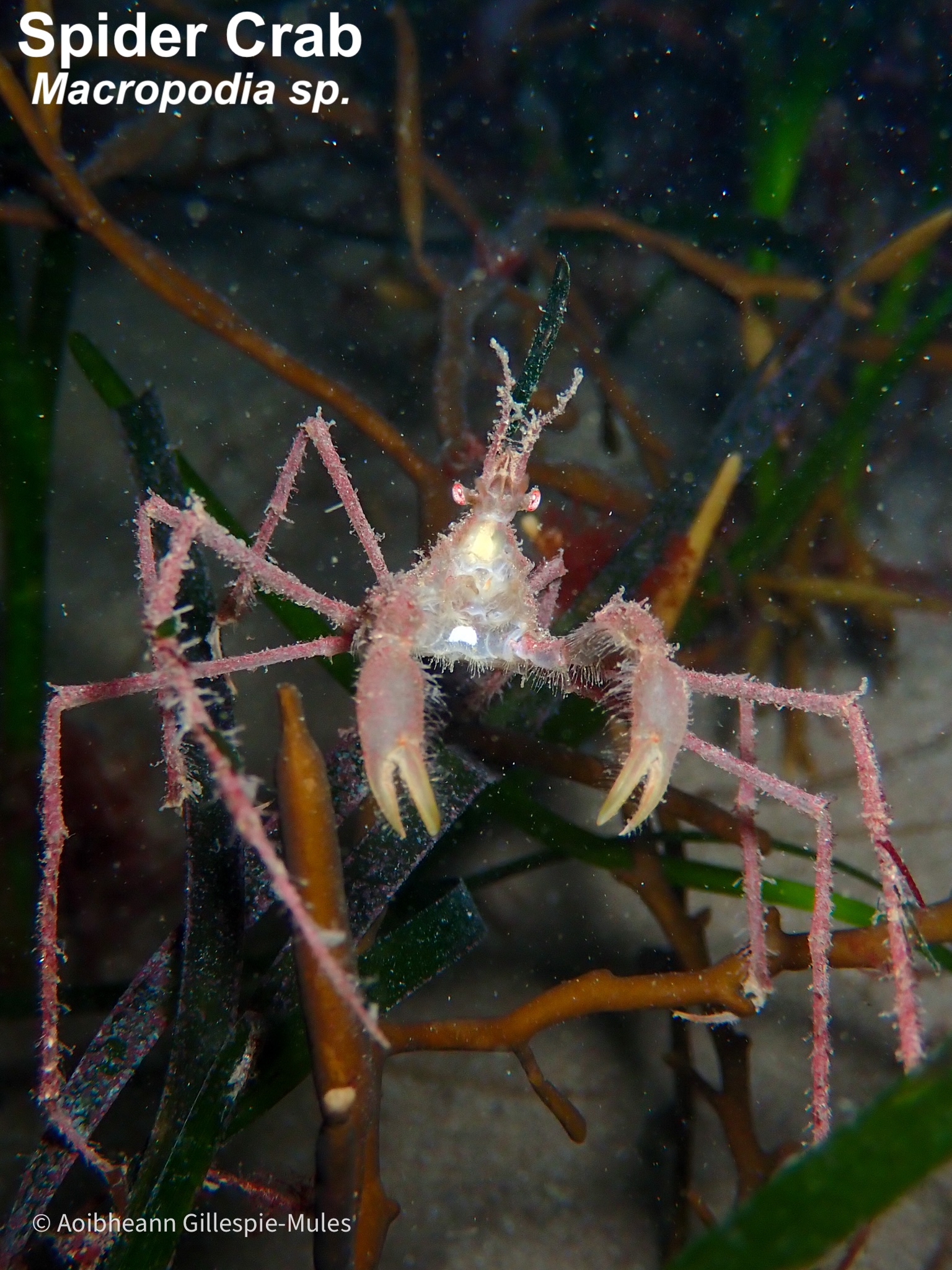
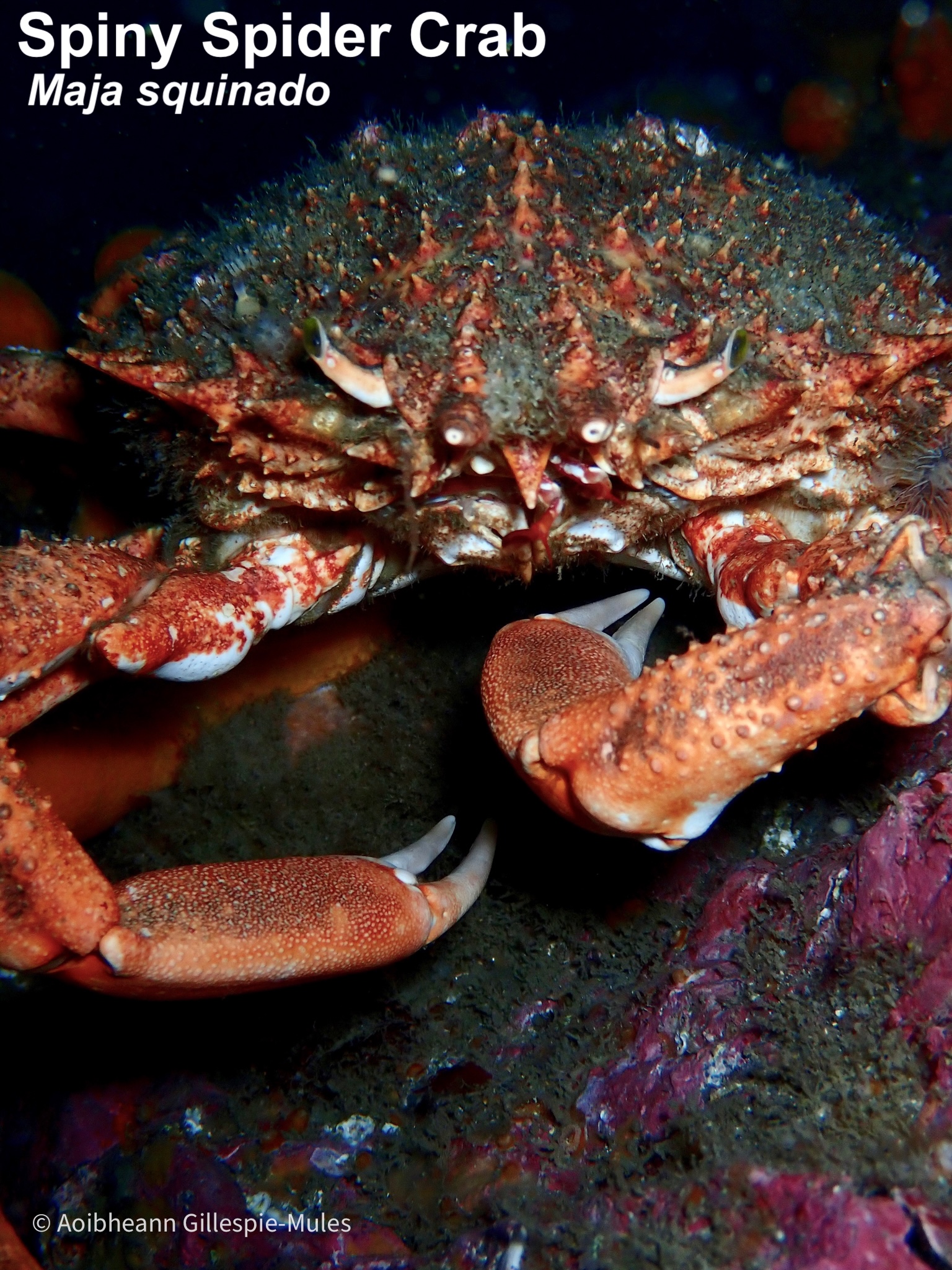
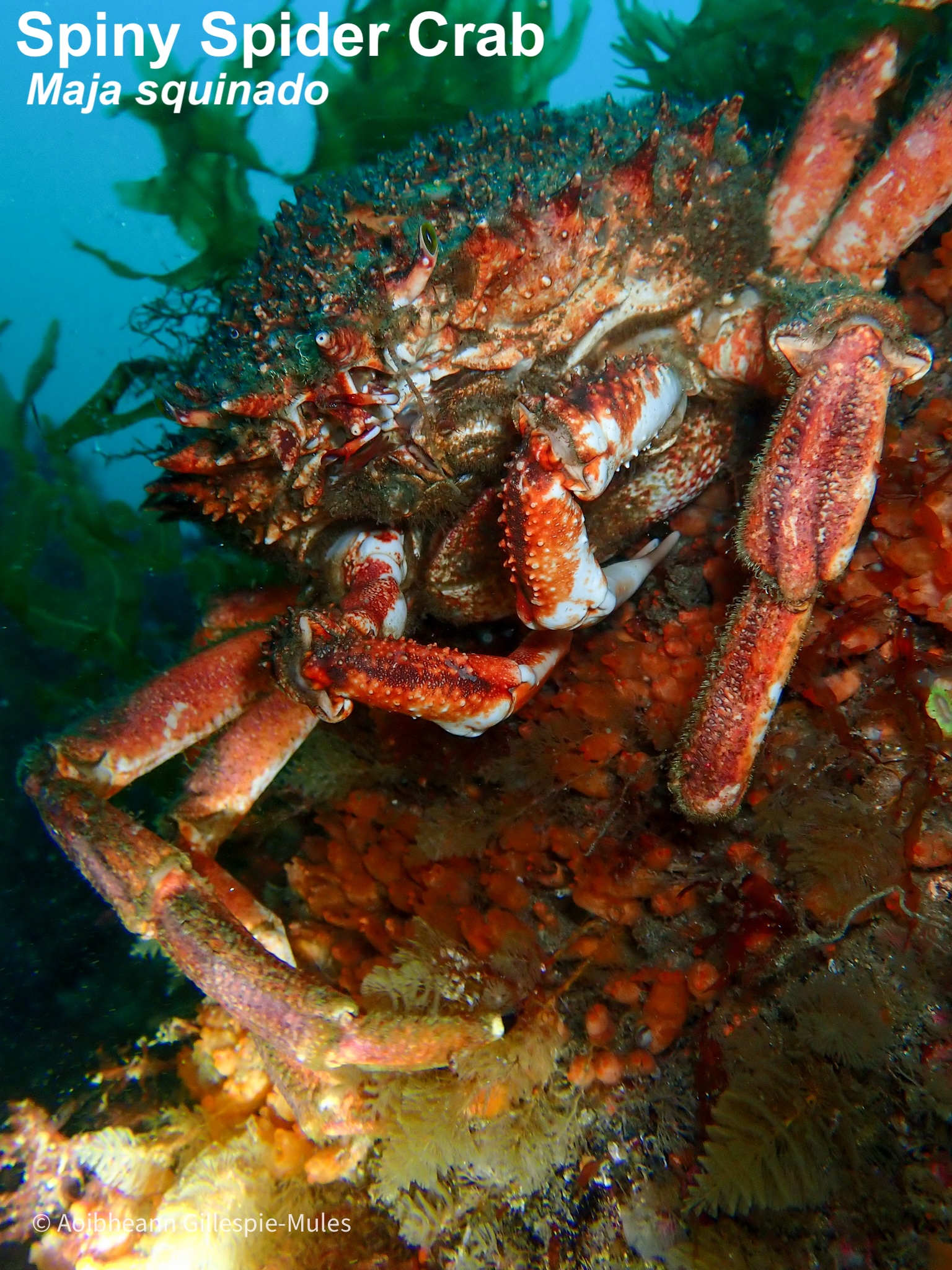
Crustaceans
Cnidarians
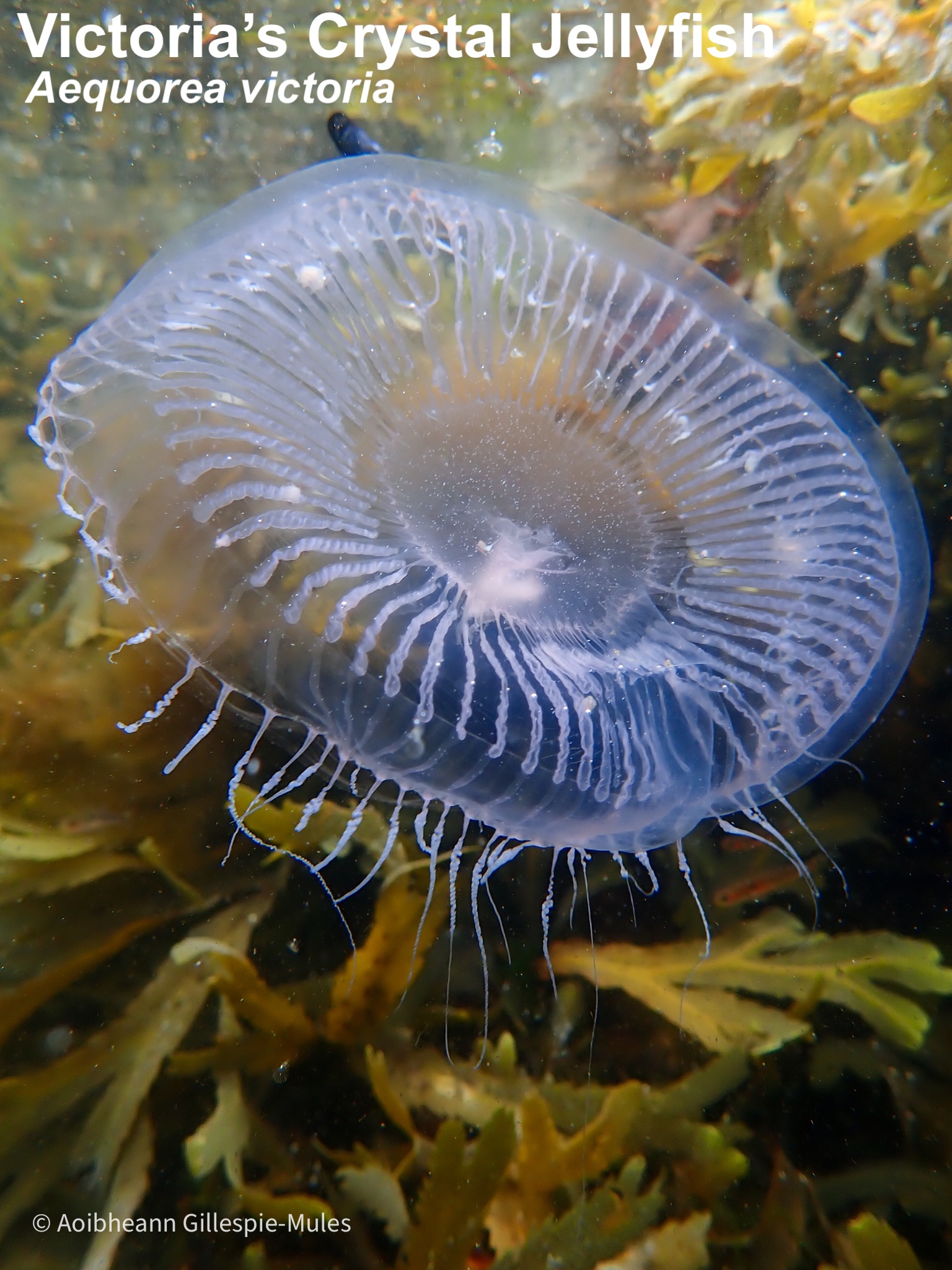
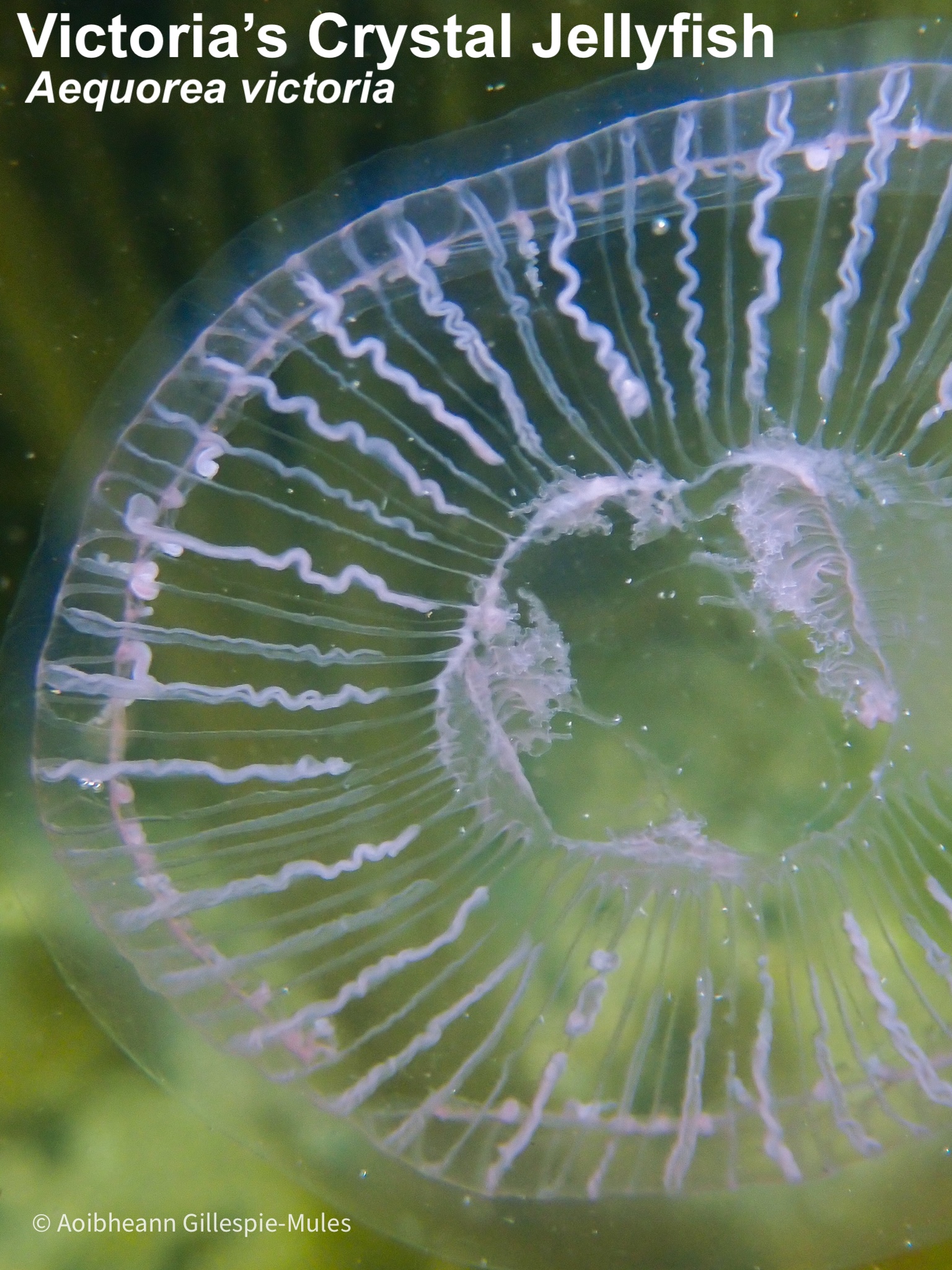
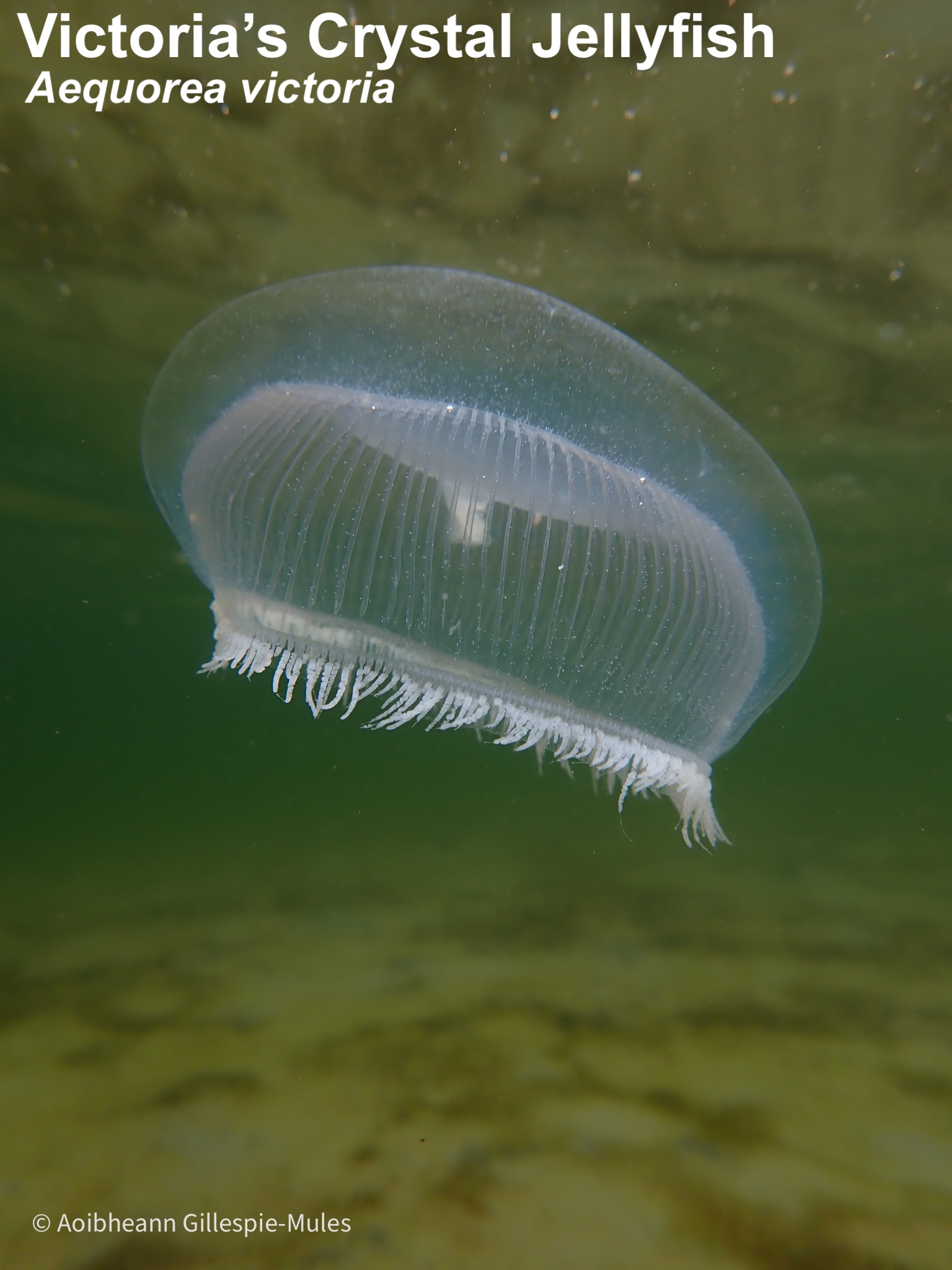
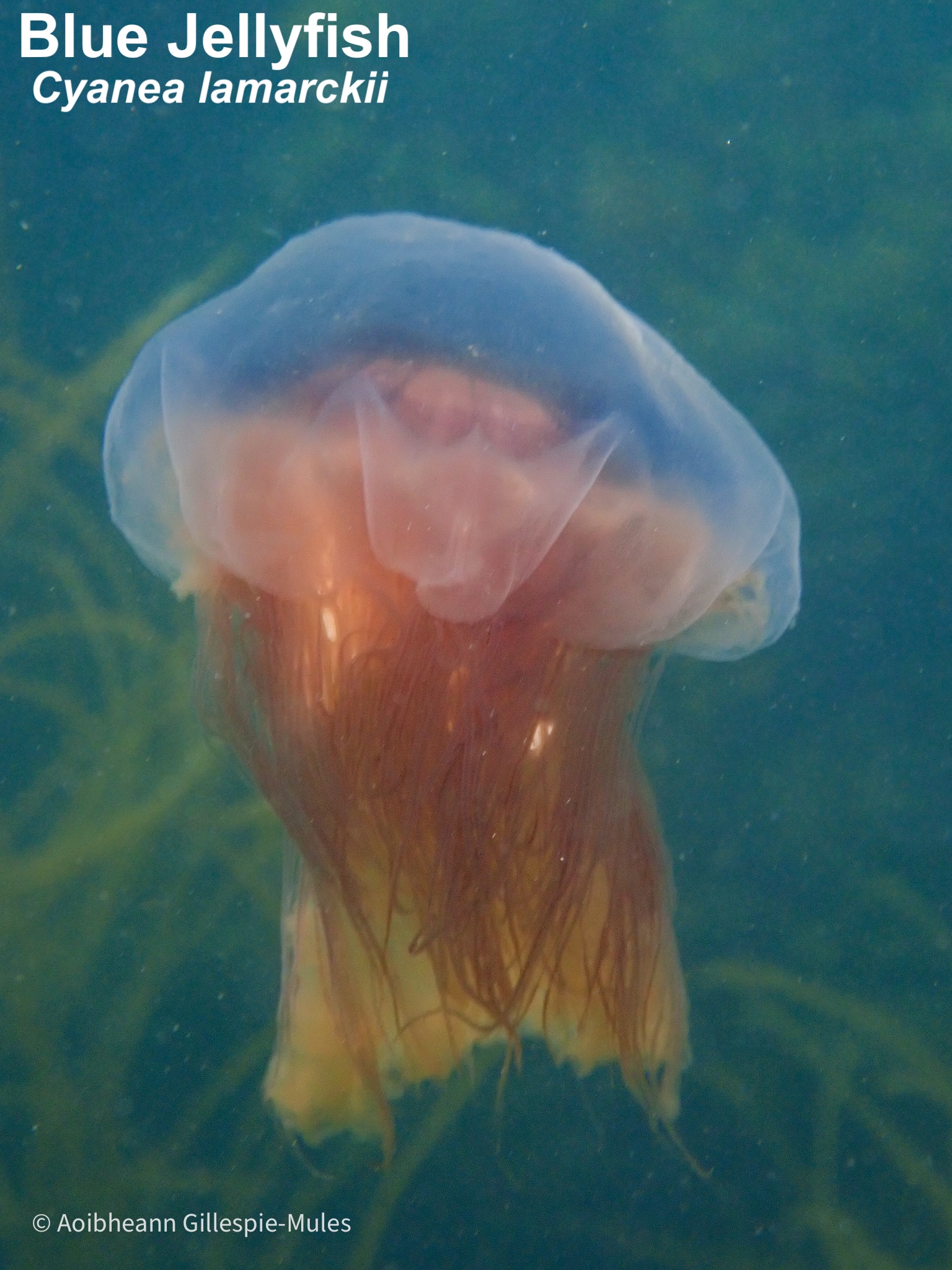
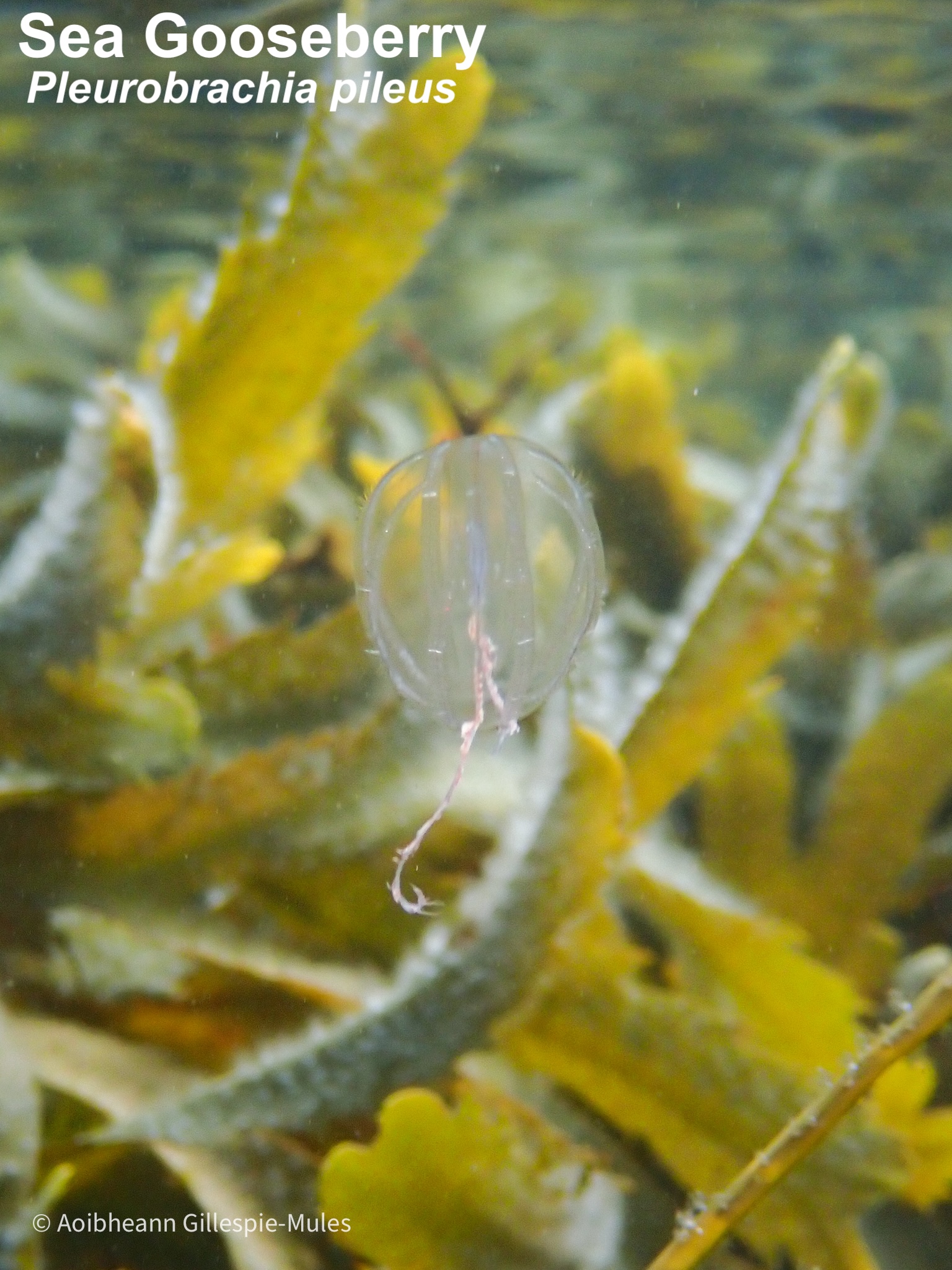
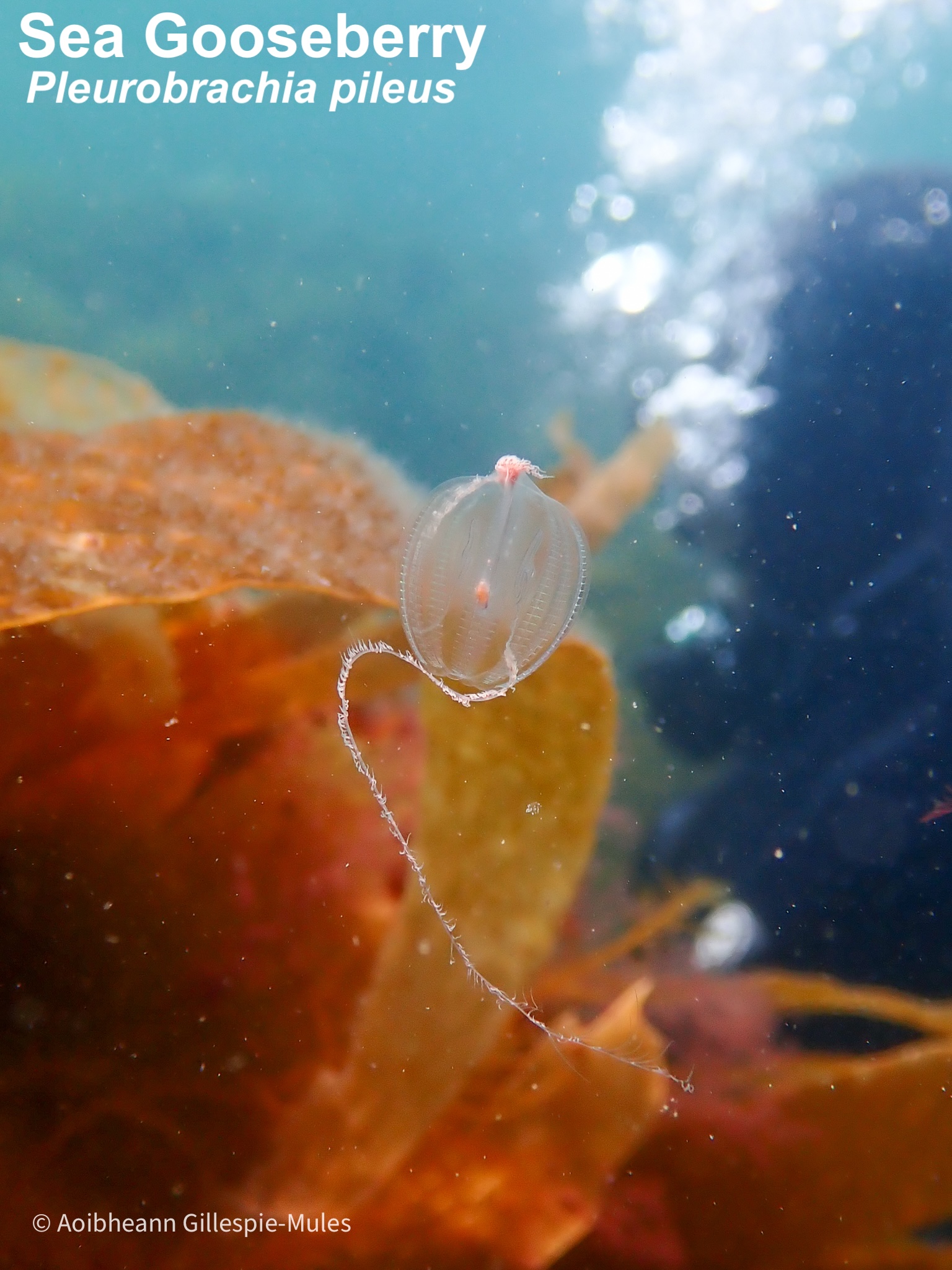
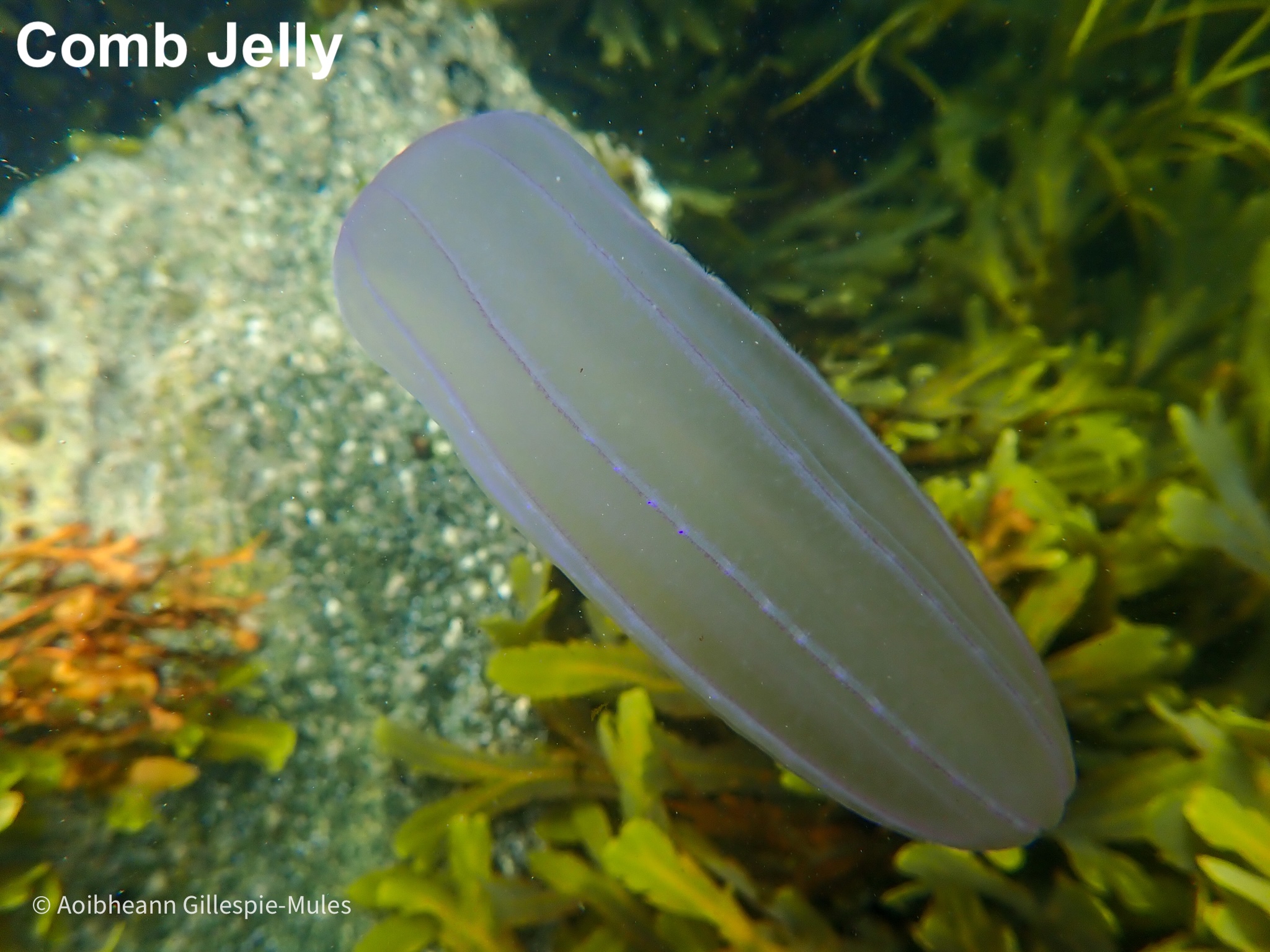
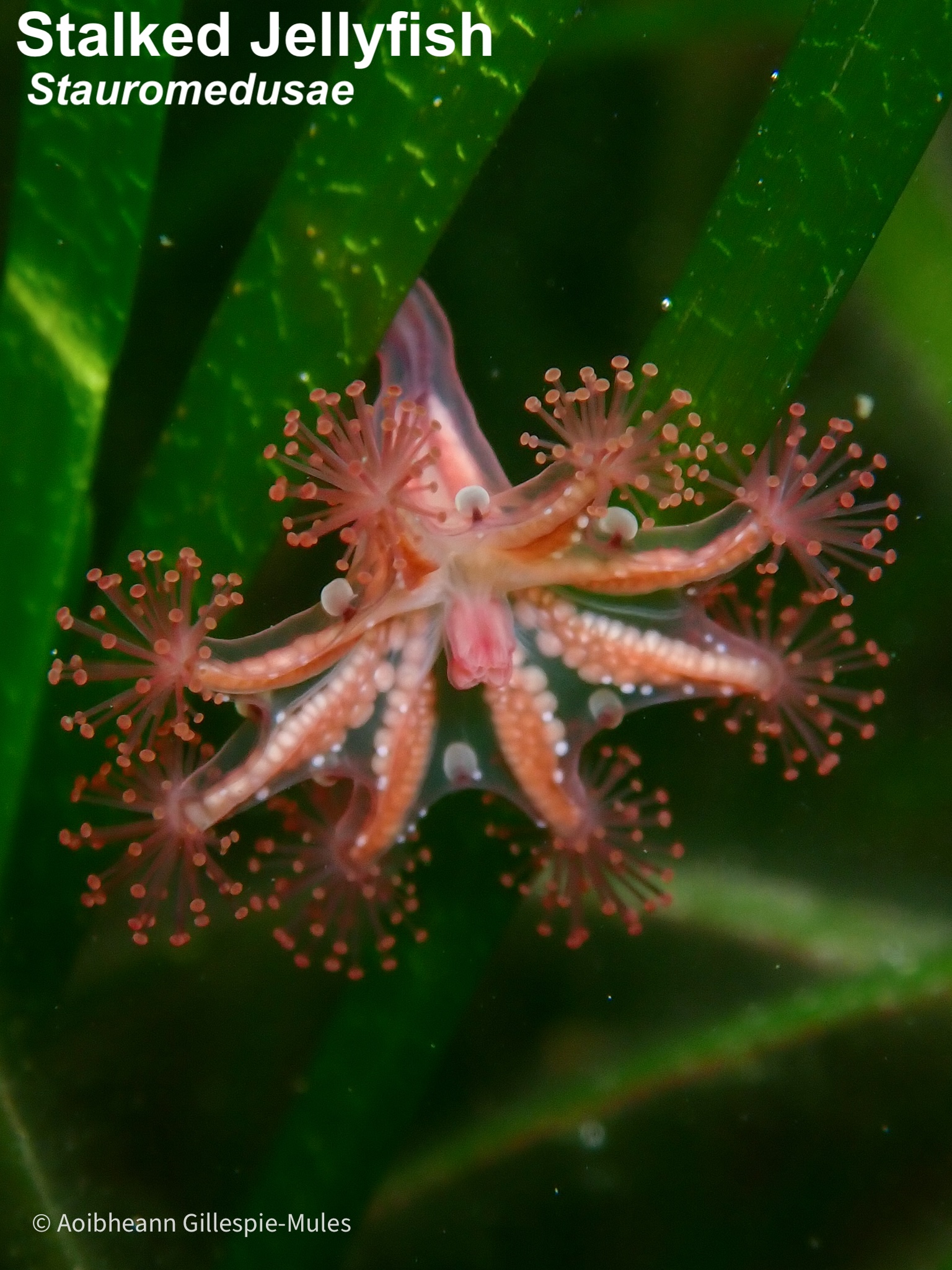
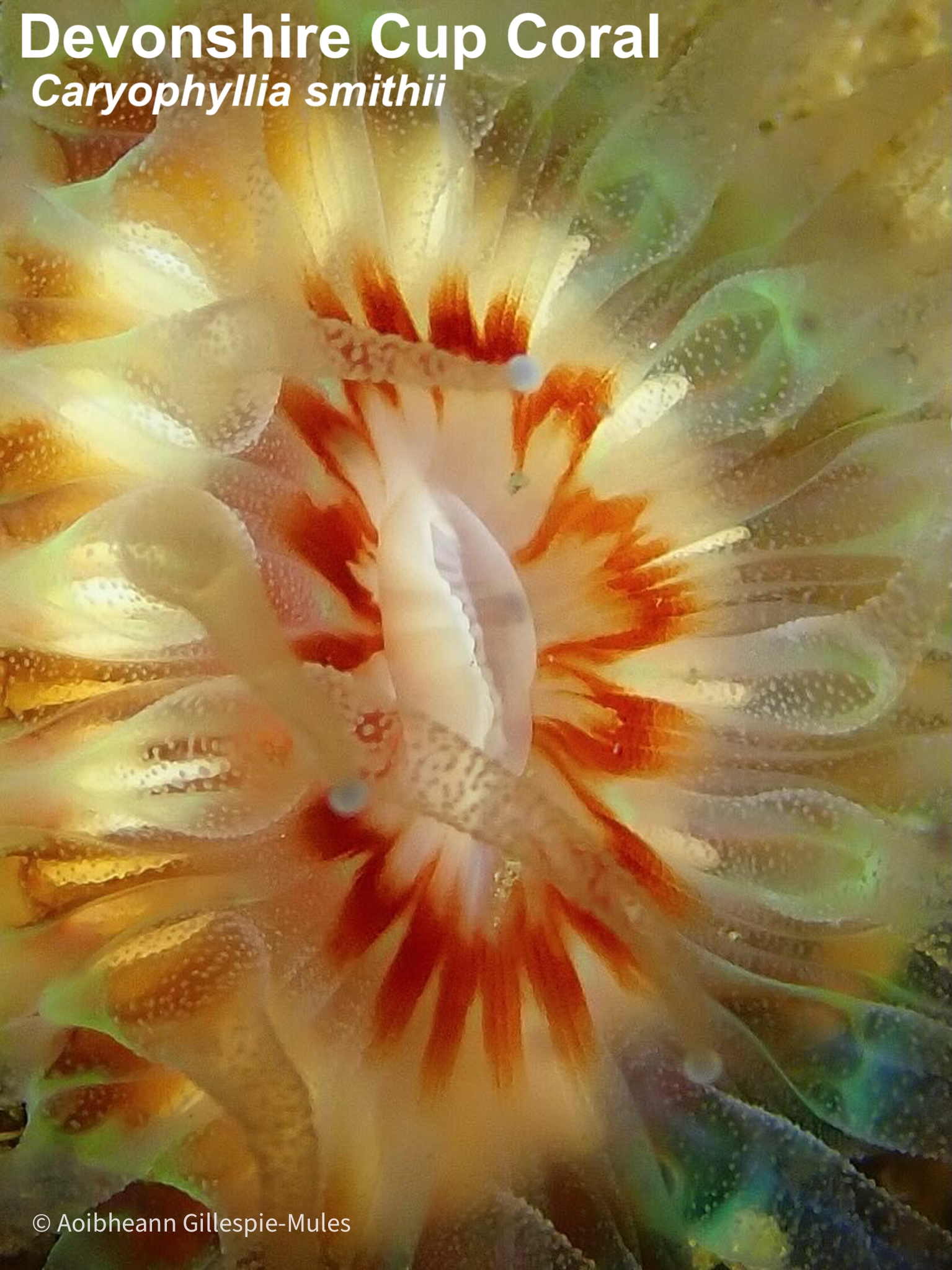
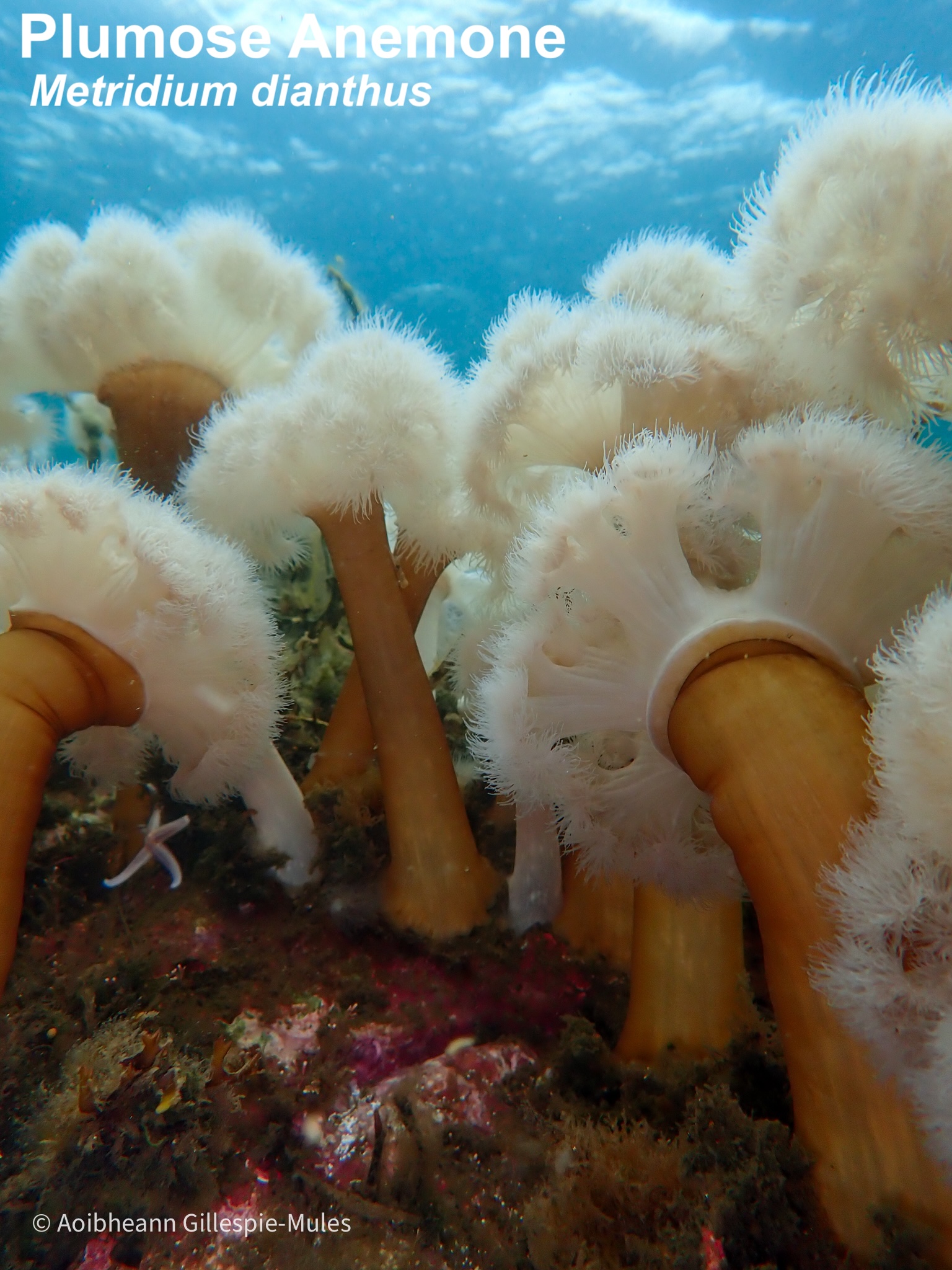
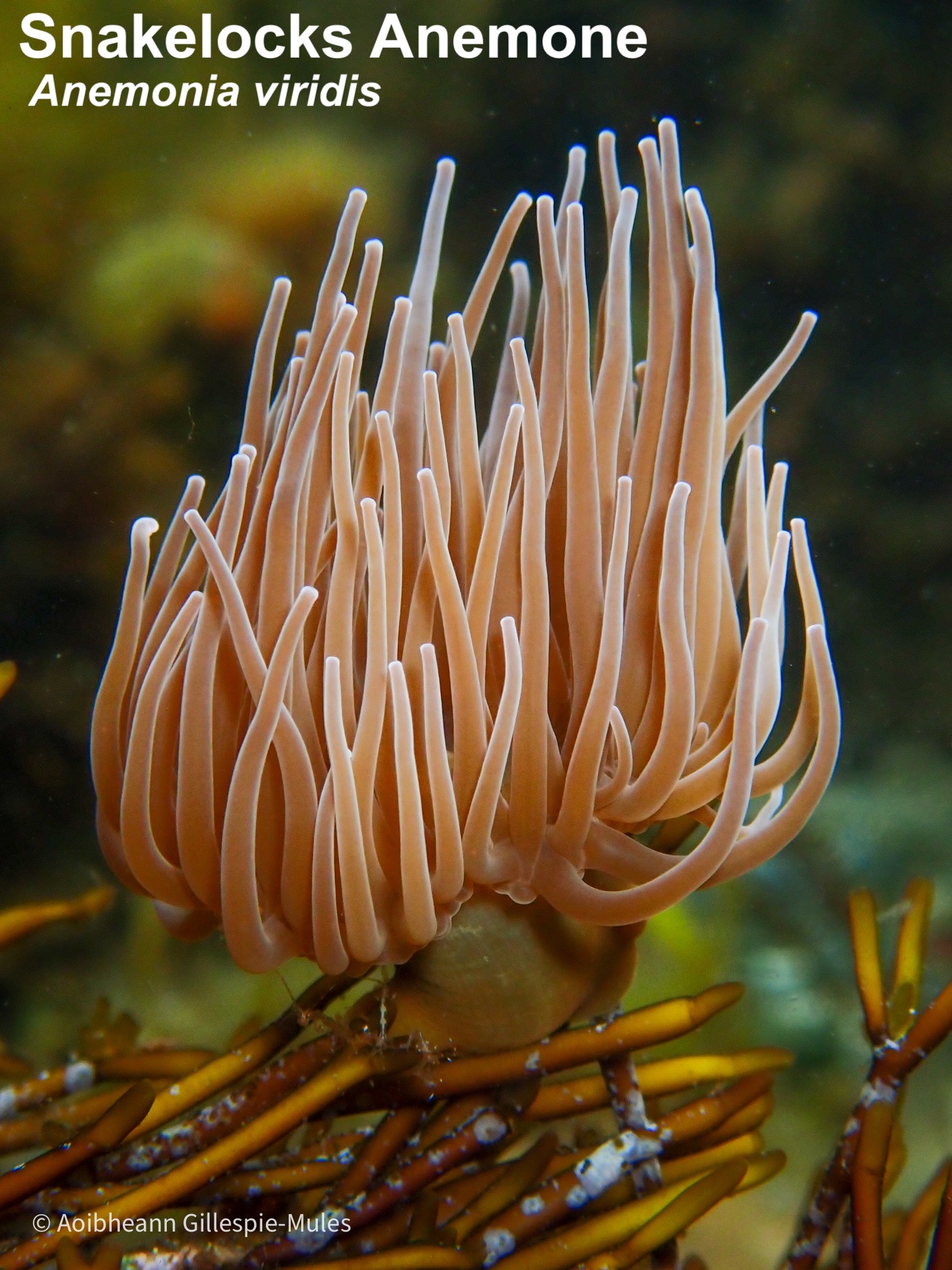
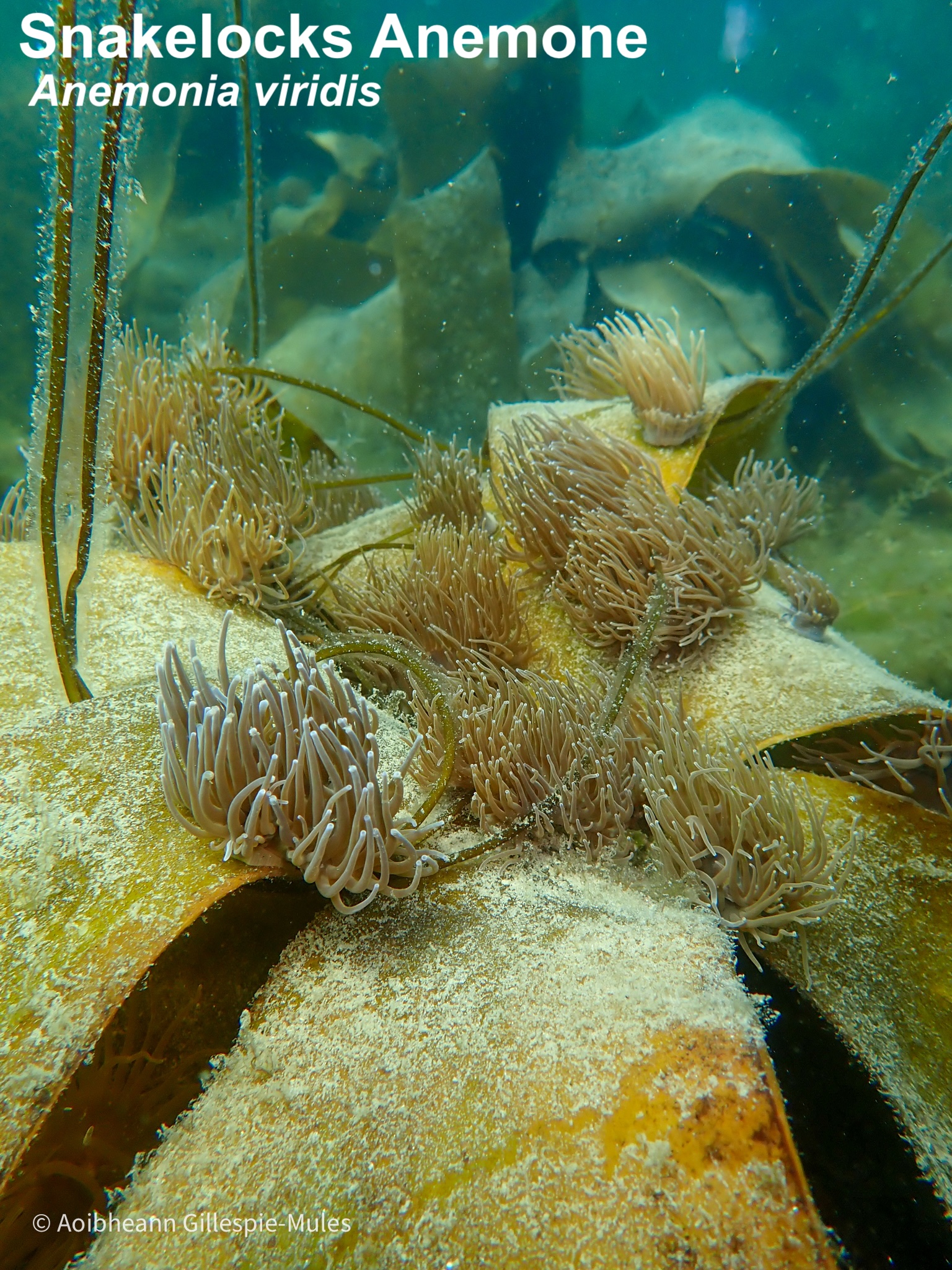
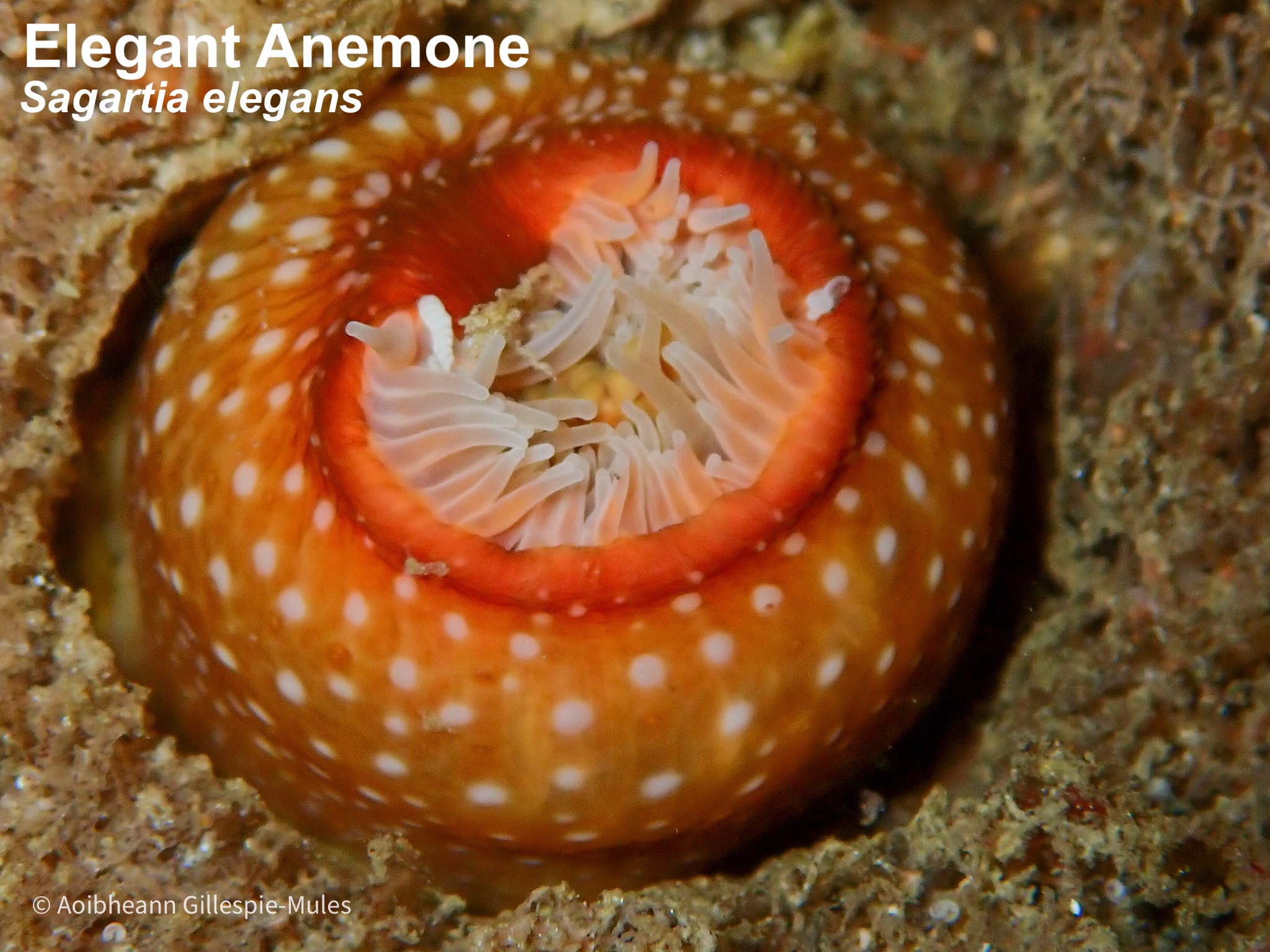
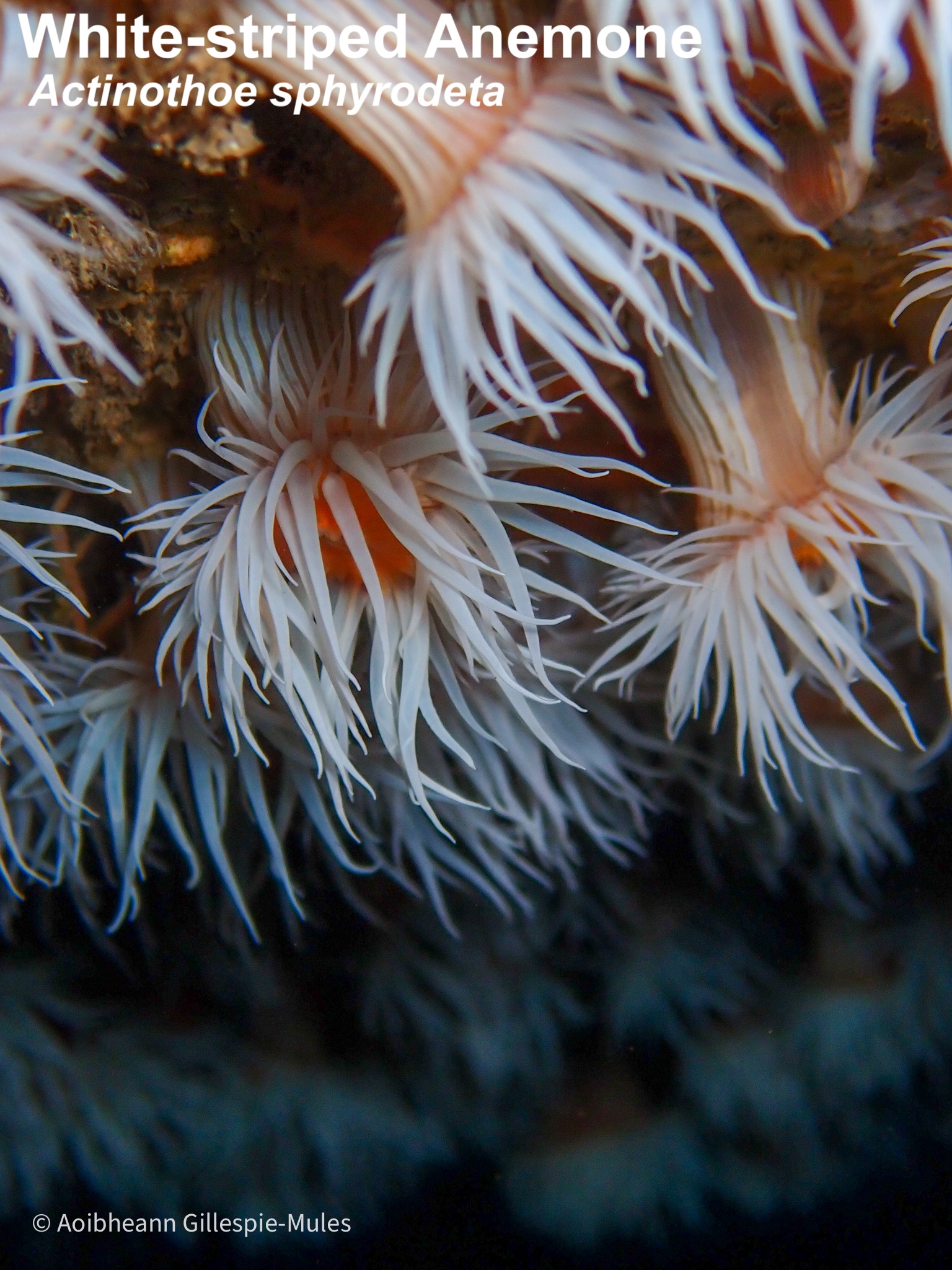
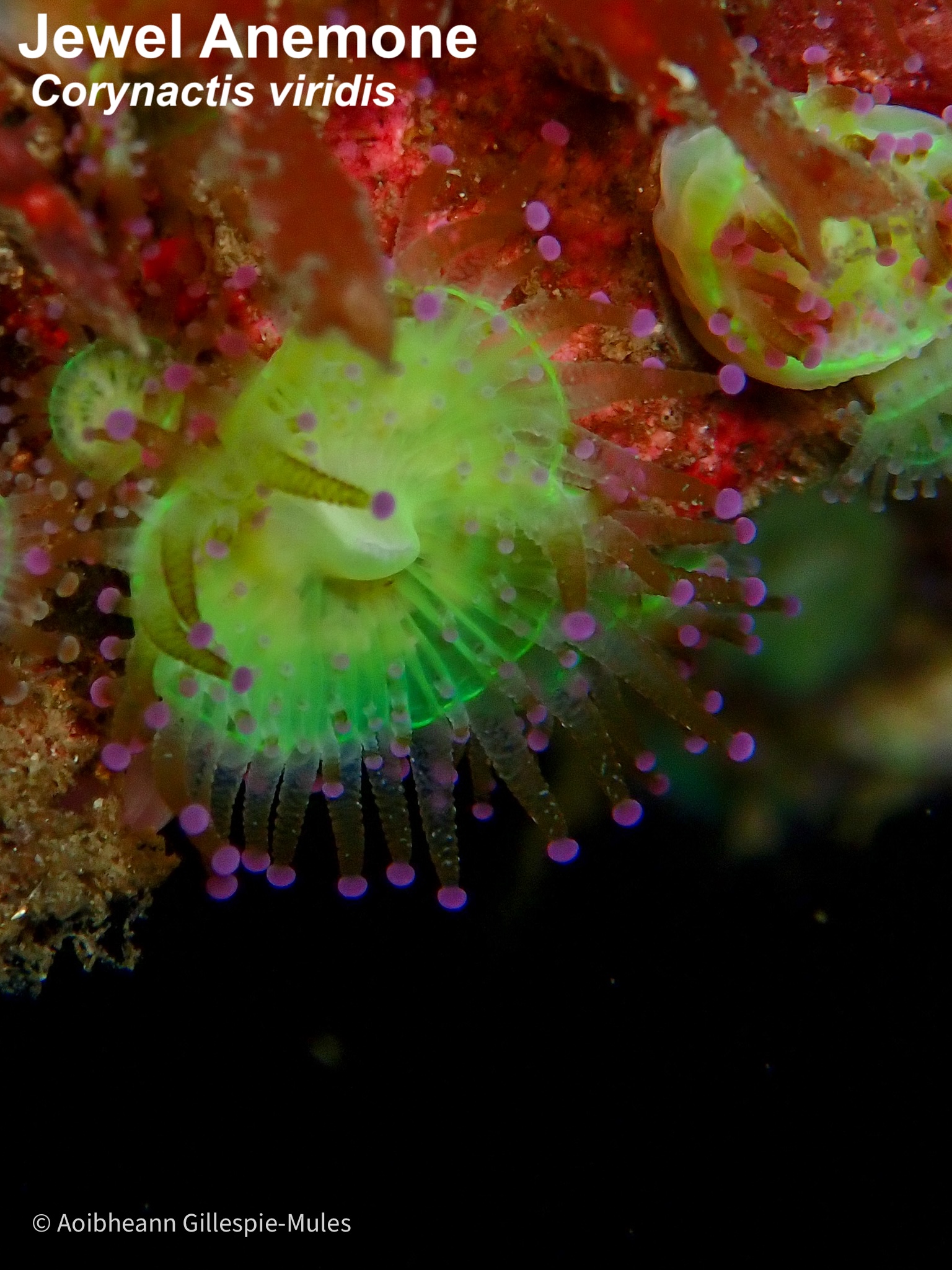
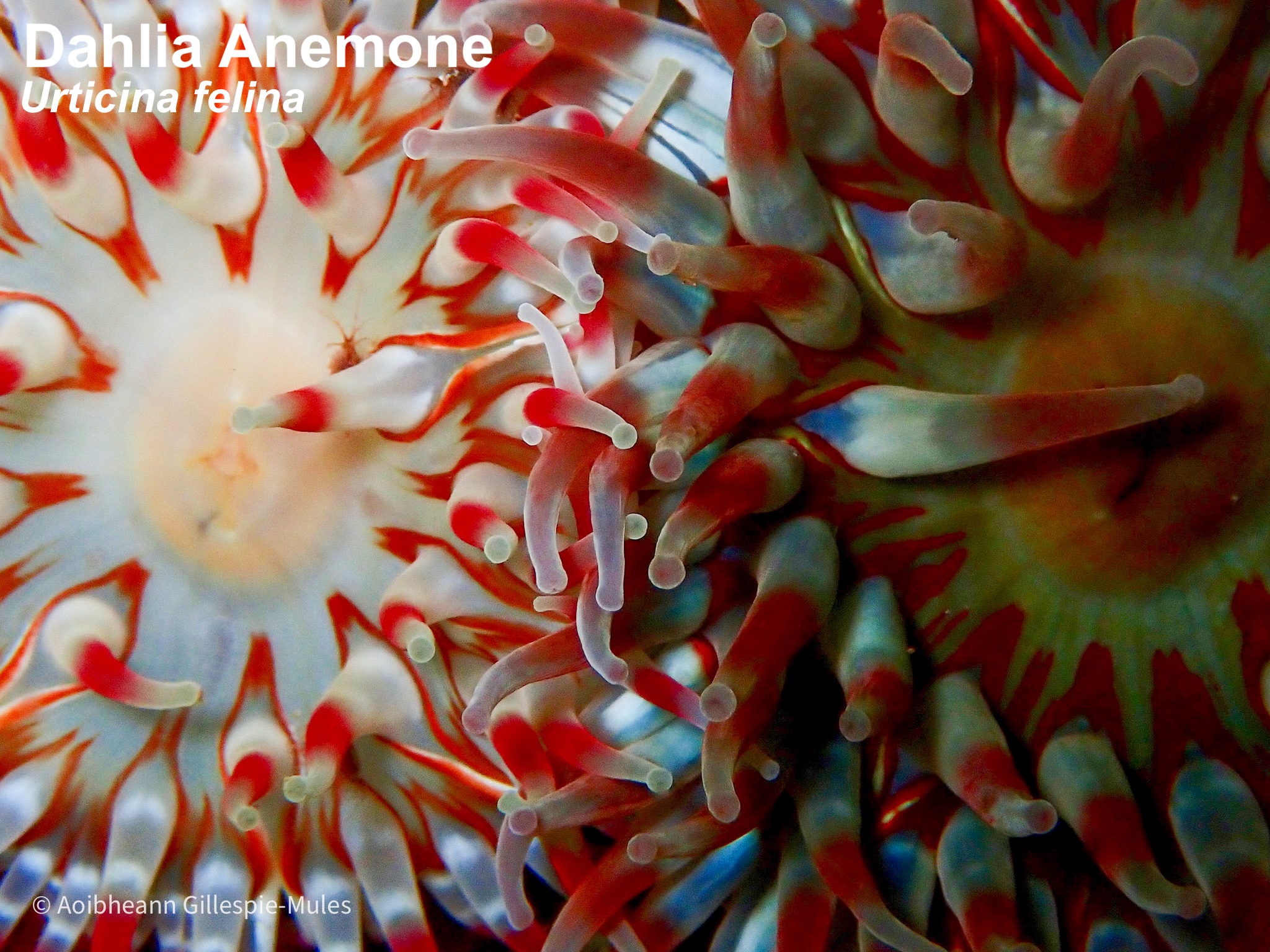
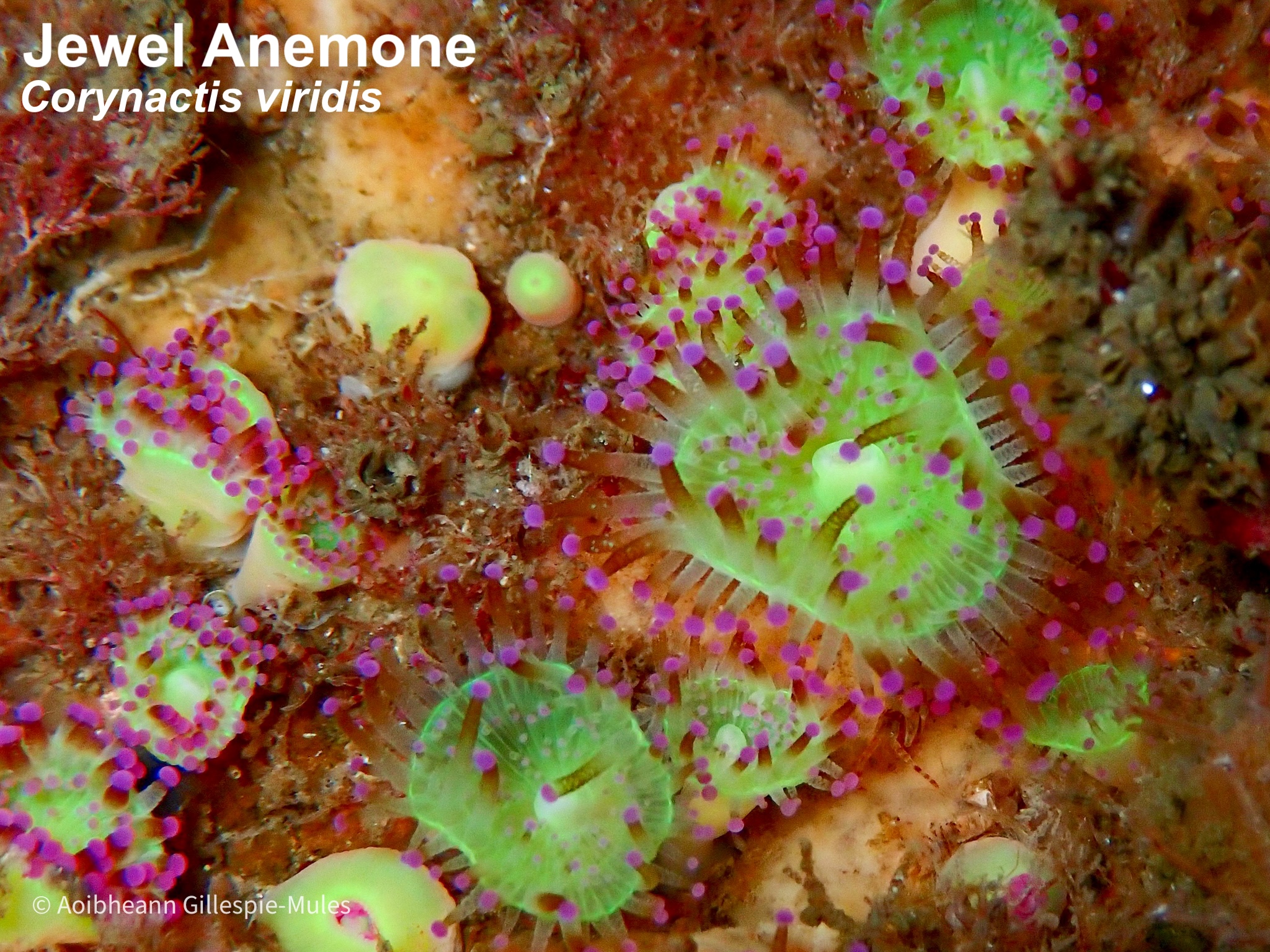
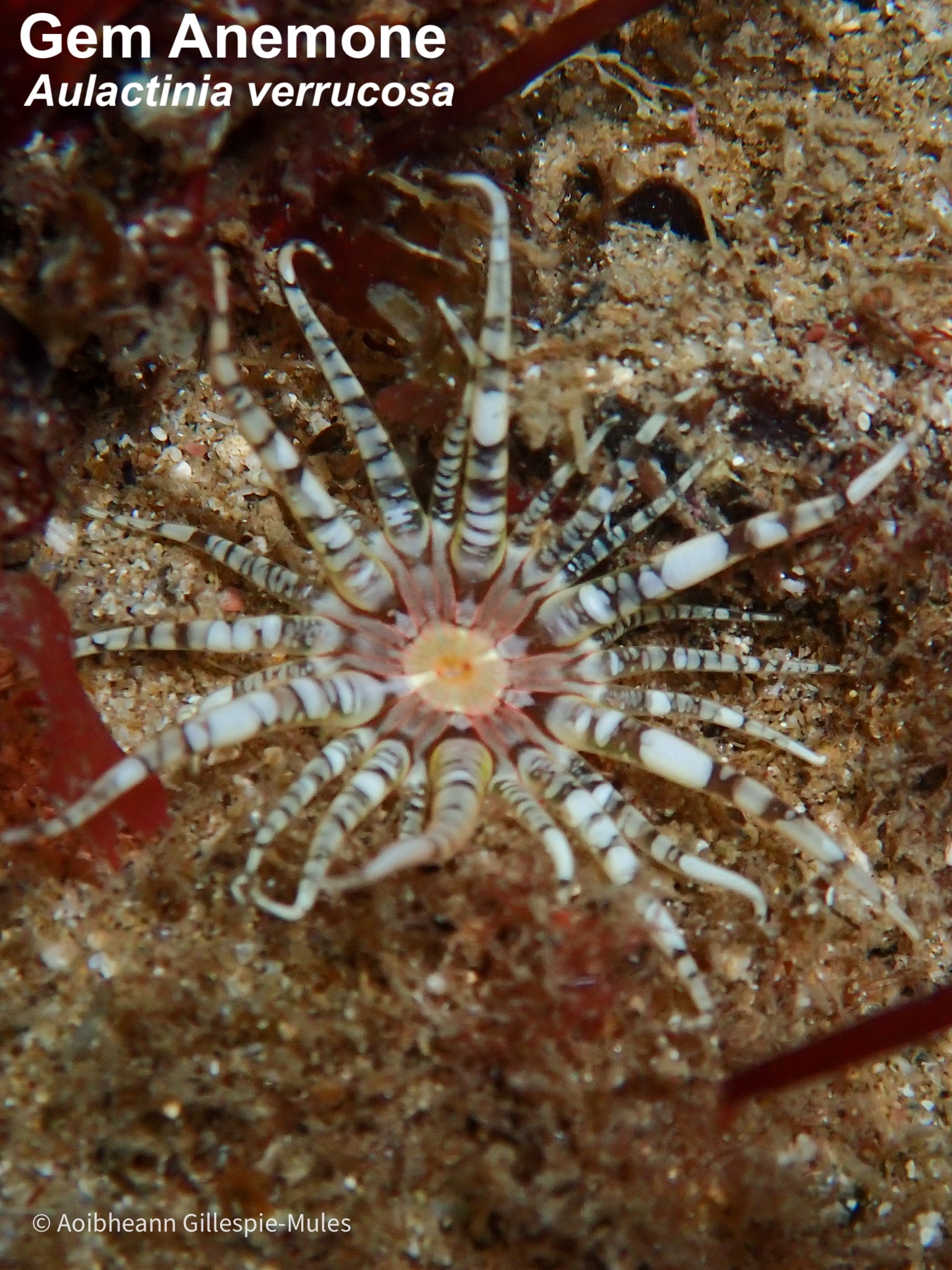
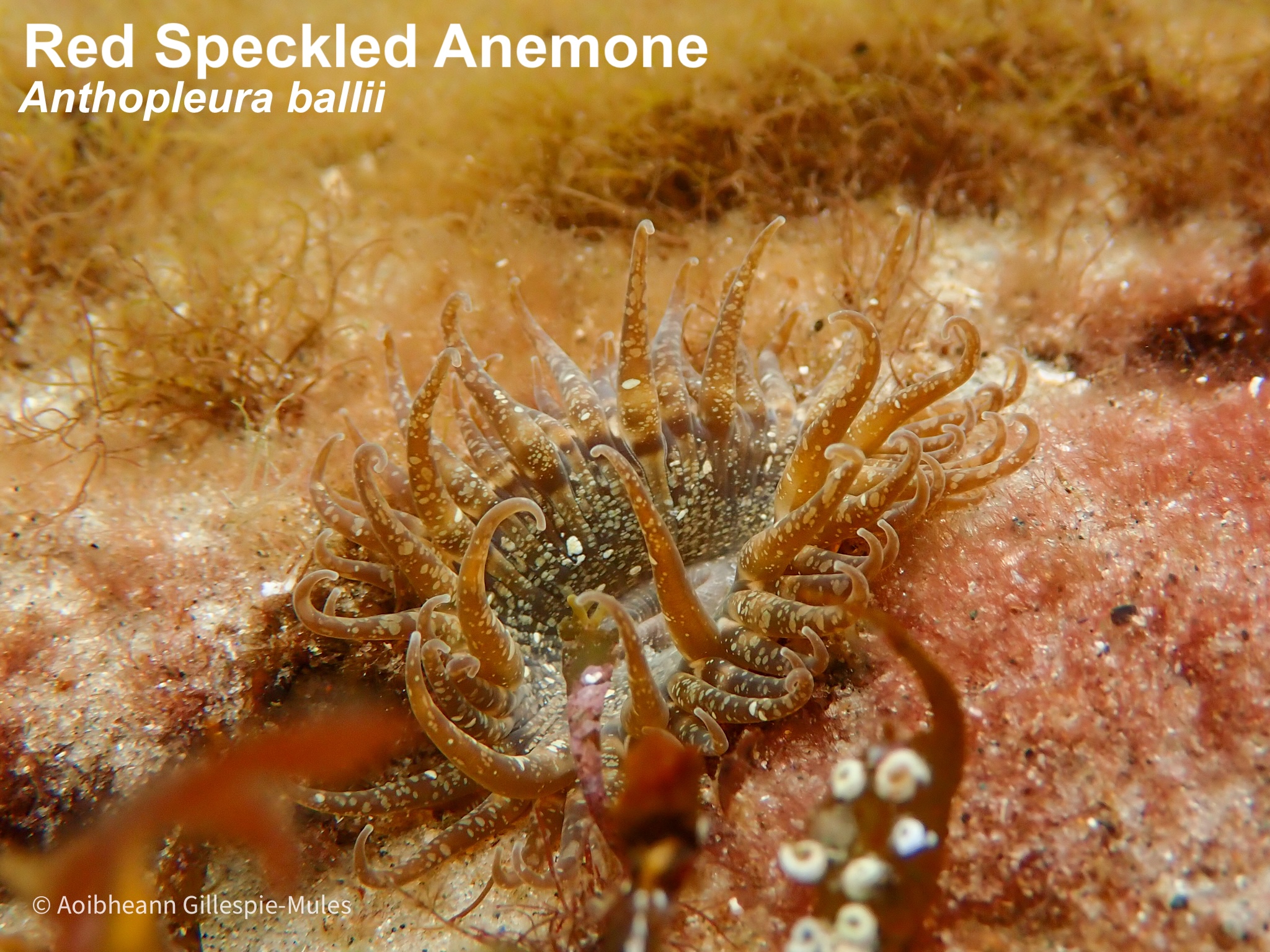
Cnidarians are a diverse group of marine invertebrates characterized by the presence of specialized stinging cells called cnidocytes, which they use for prey capture and defense. They are commonly recognized in their familiar forms as jellyfish and sea anemones, though the group also includes corals and other less conspicuous taxa. Jellyfish represent the free swimming, medusa form, while sea anemones are typically sessile and attach to hard substrates such as rock or kelp holdfasts. Comb jellies, although often grouped with jellyfish in common usage due to their gelatinous appearance and drifting lifestyle, belong to a separate phylum, Ctenophora, and lack true cnidocytes.
> Jellyfish and Comb jellies
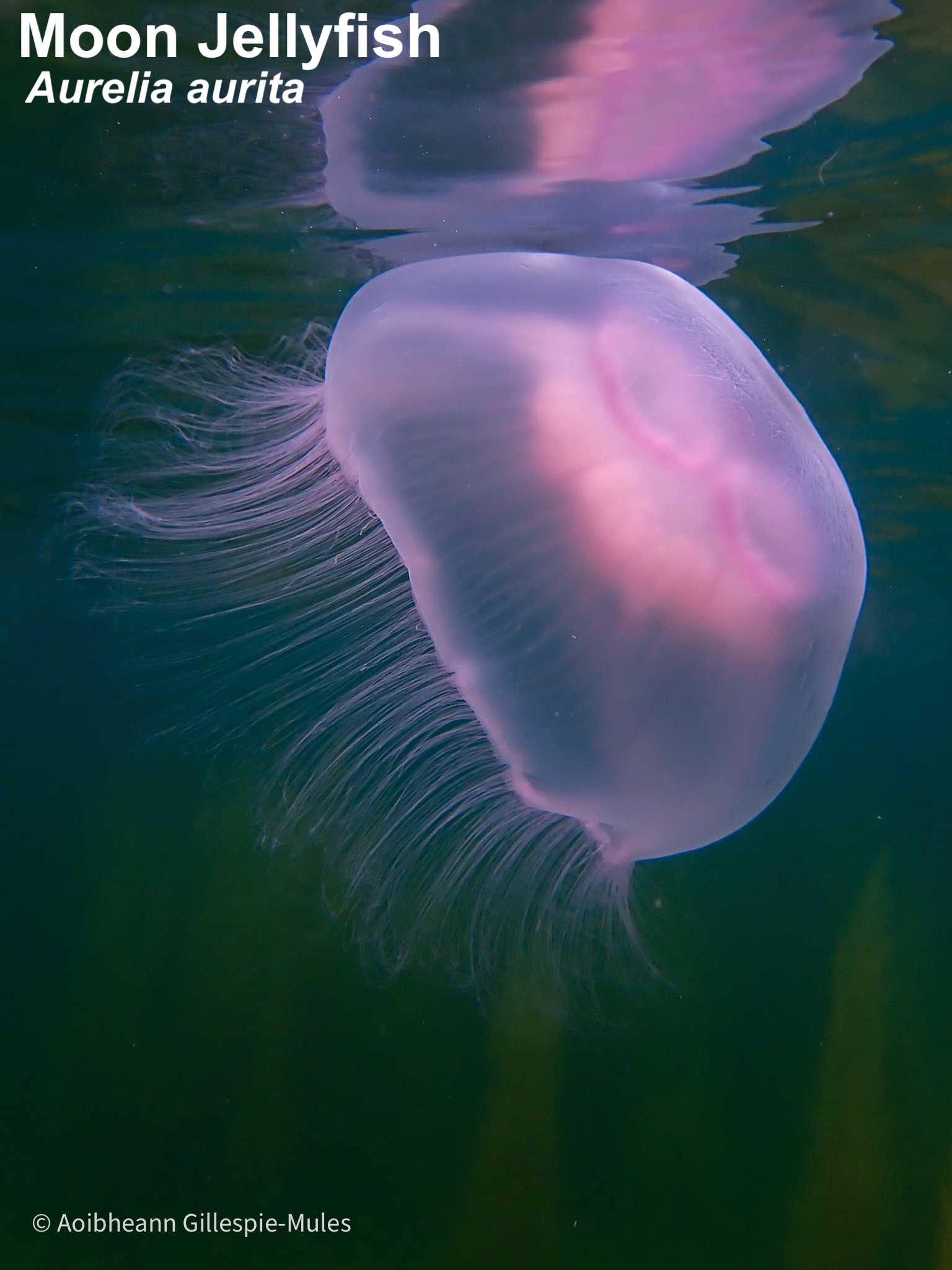
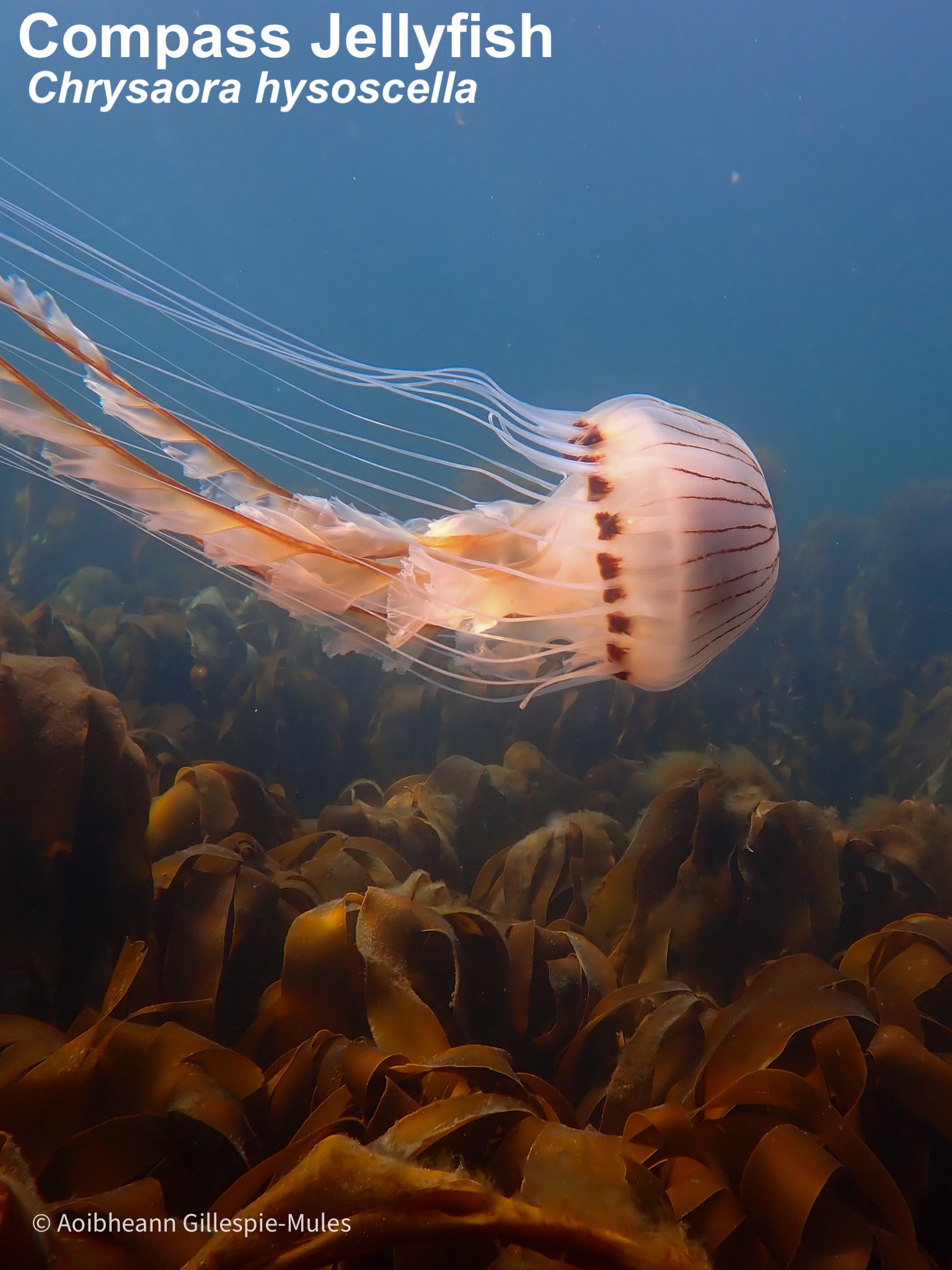
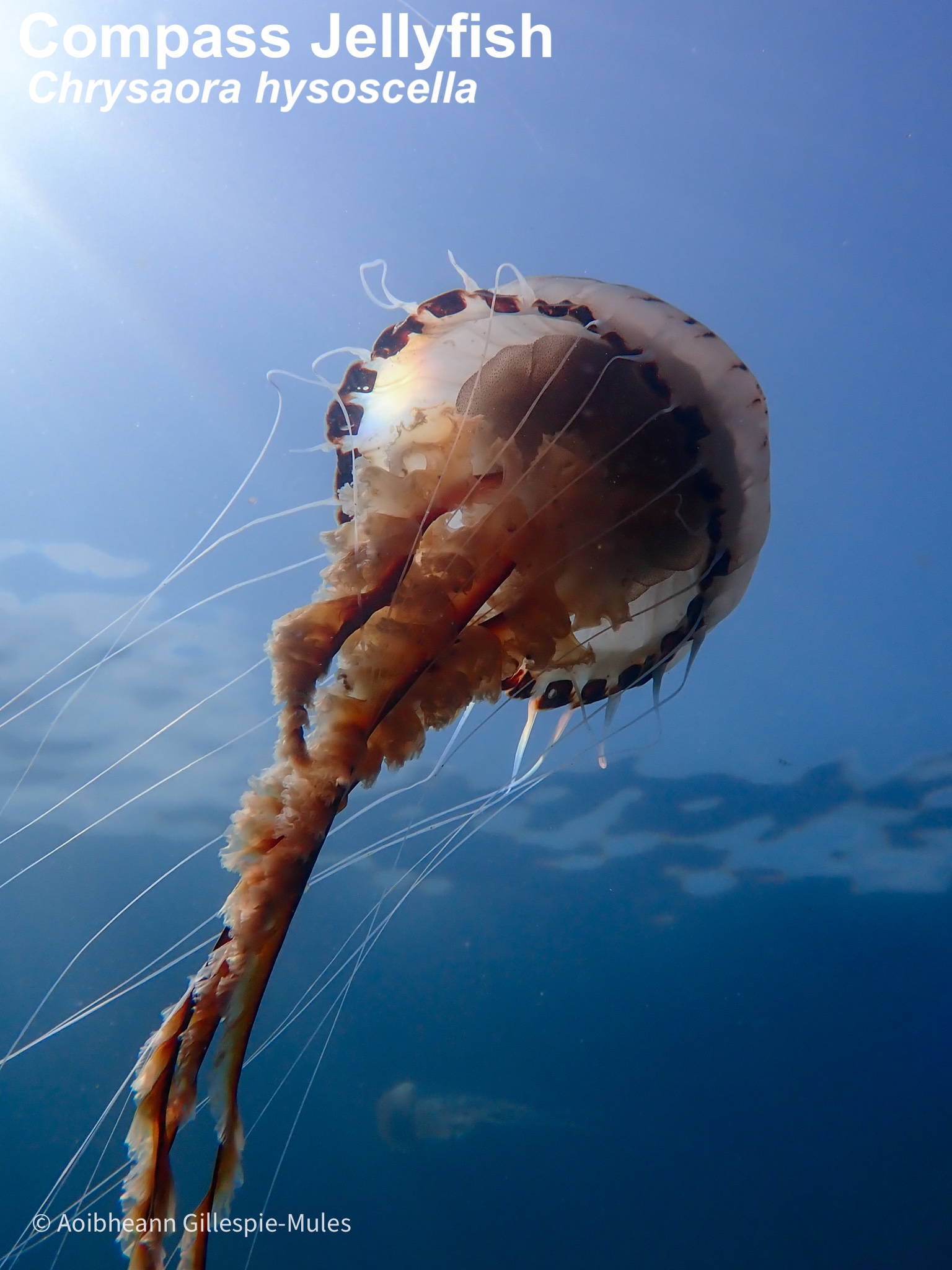
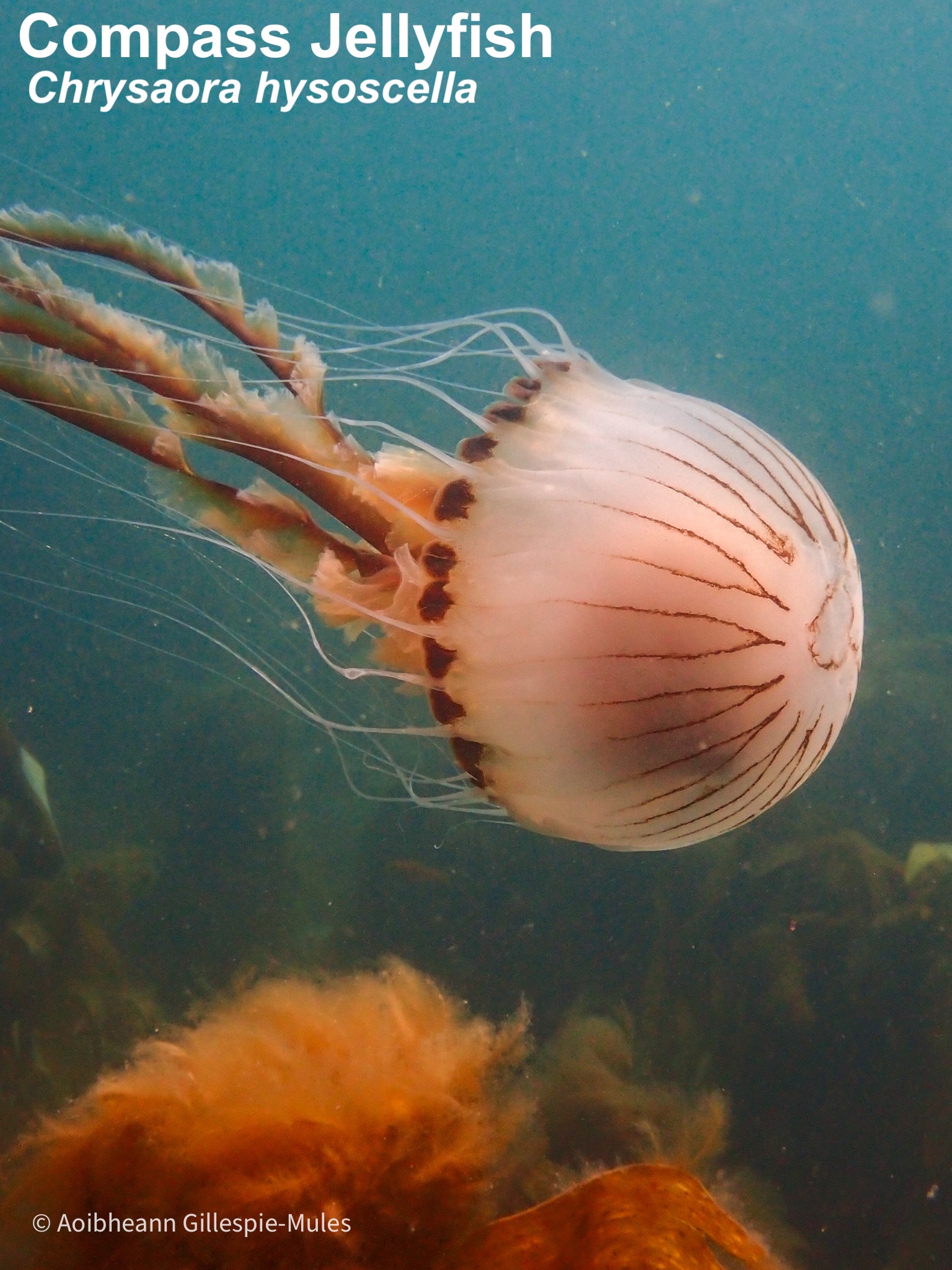
> Anemones
Echinoderms
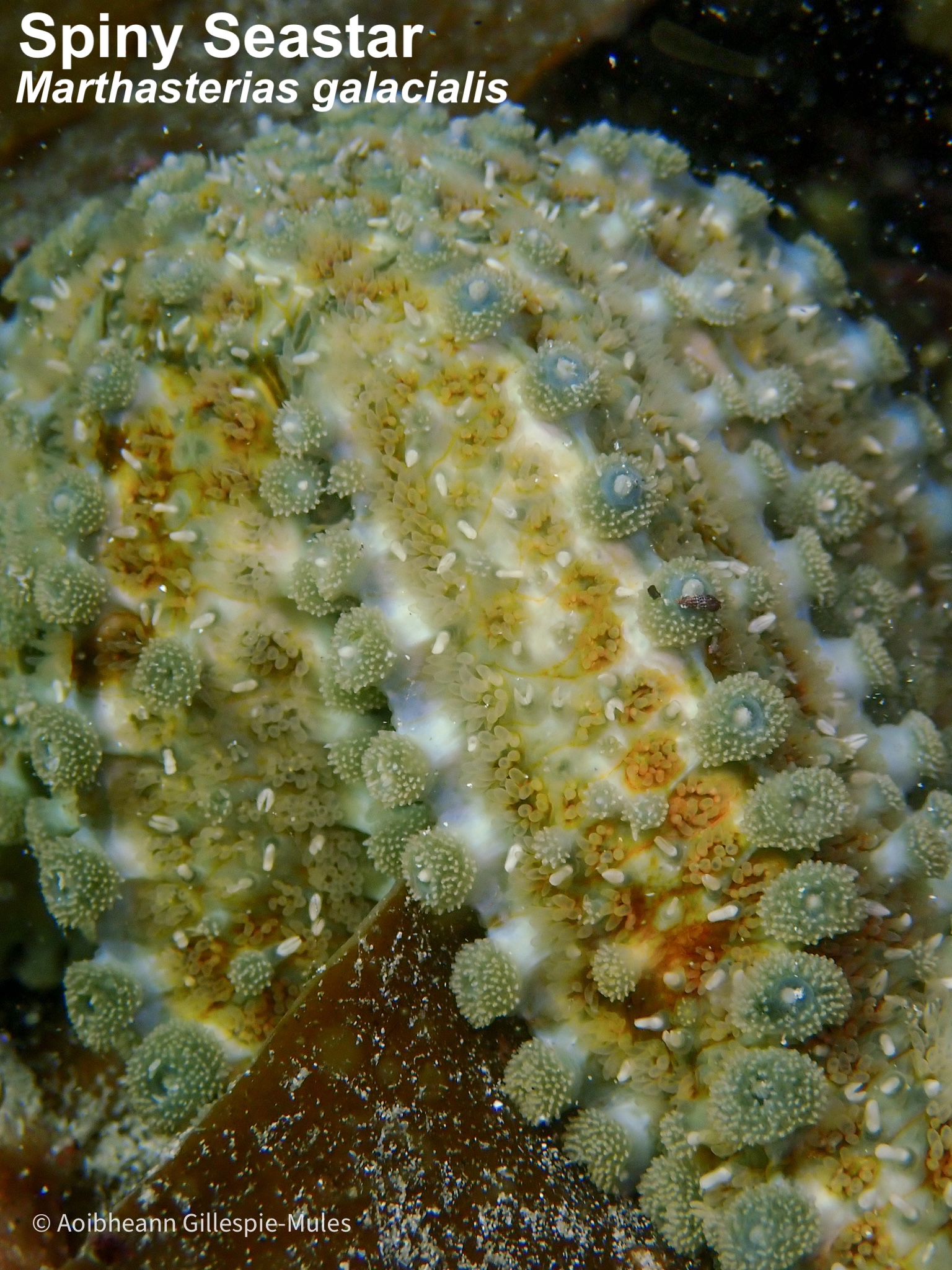
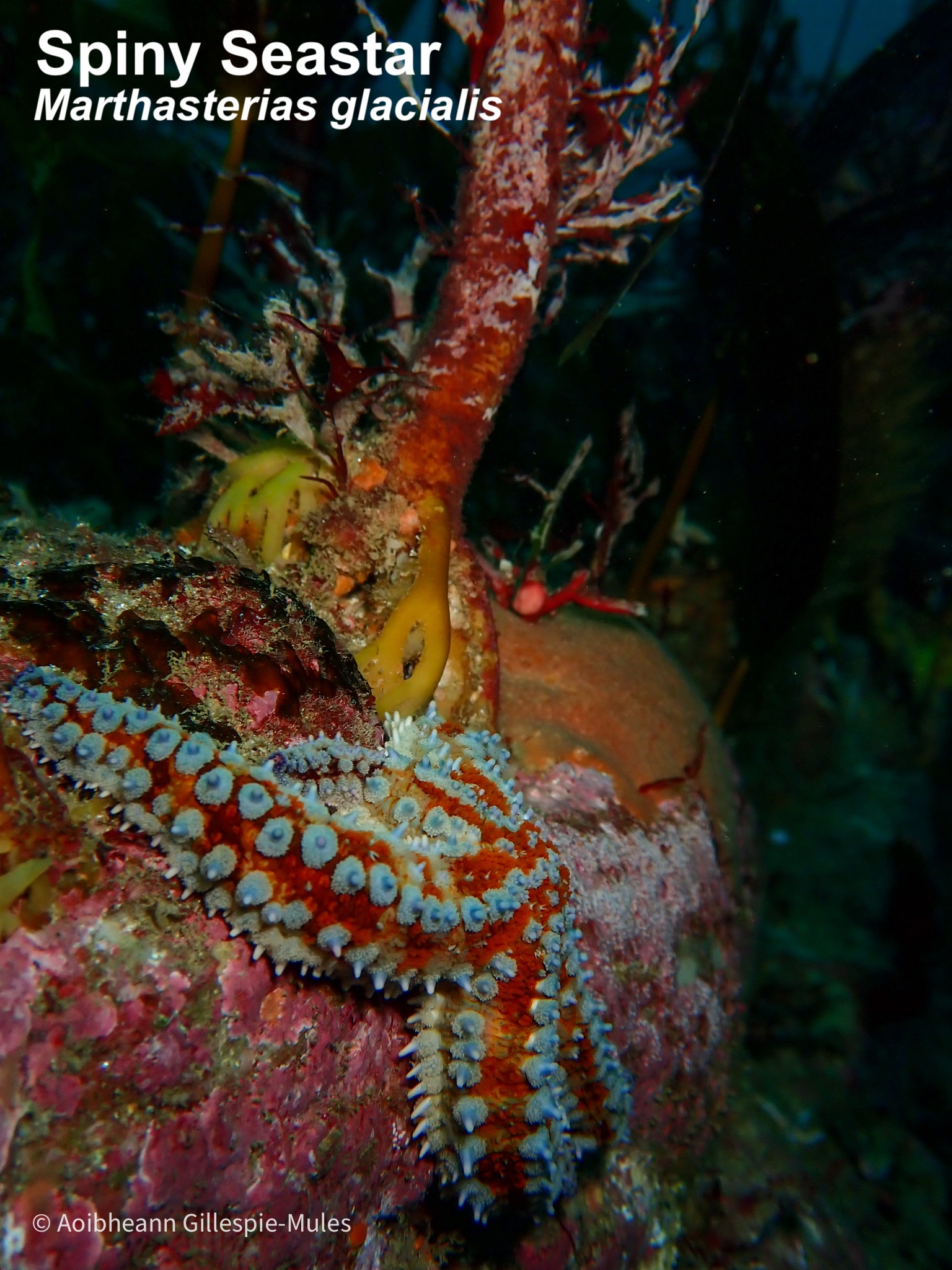
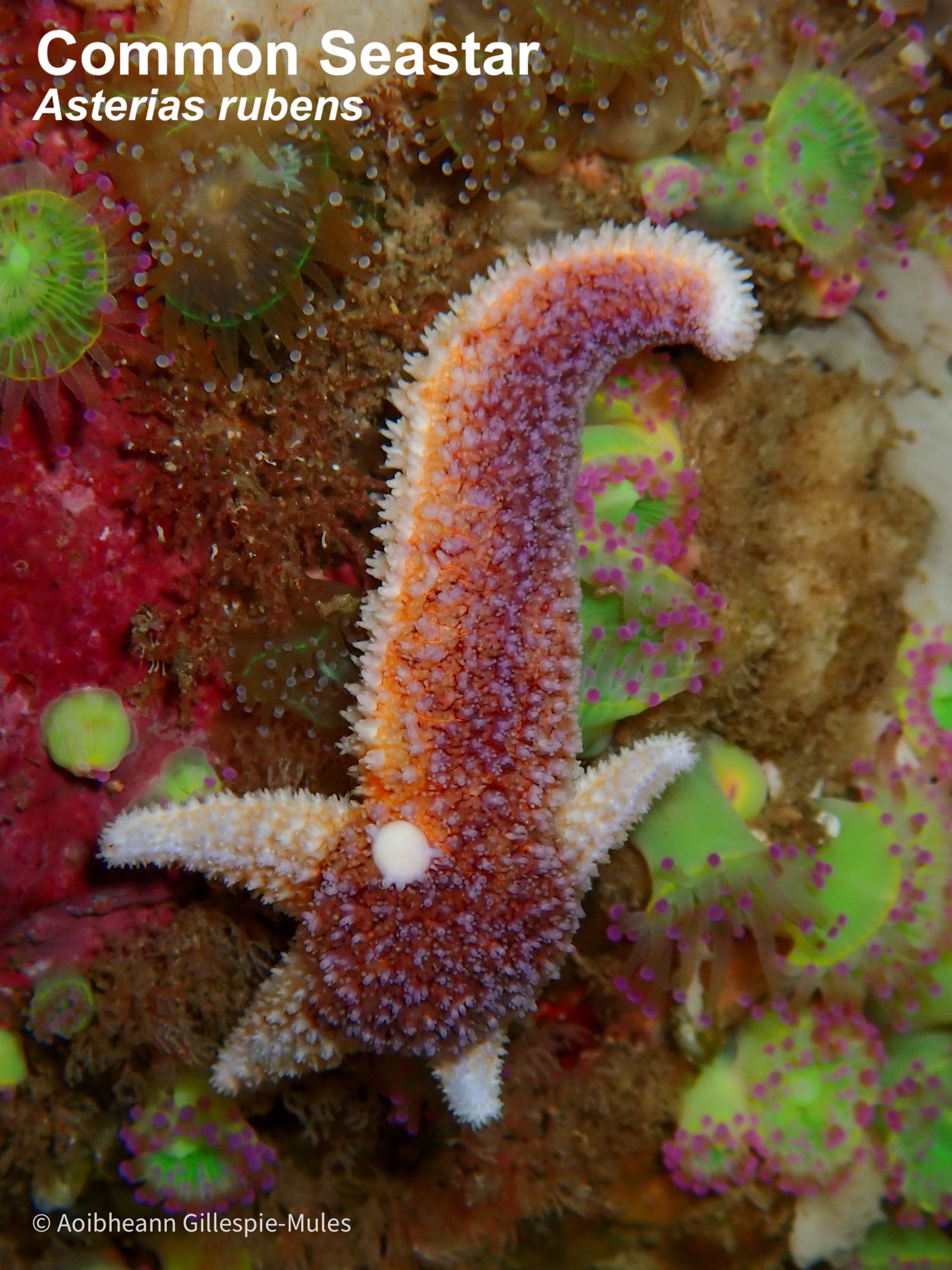
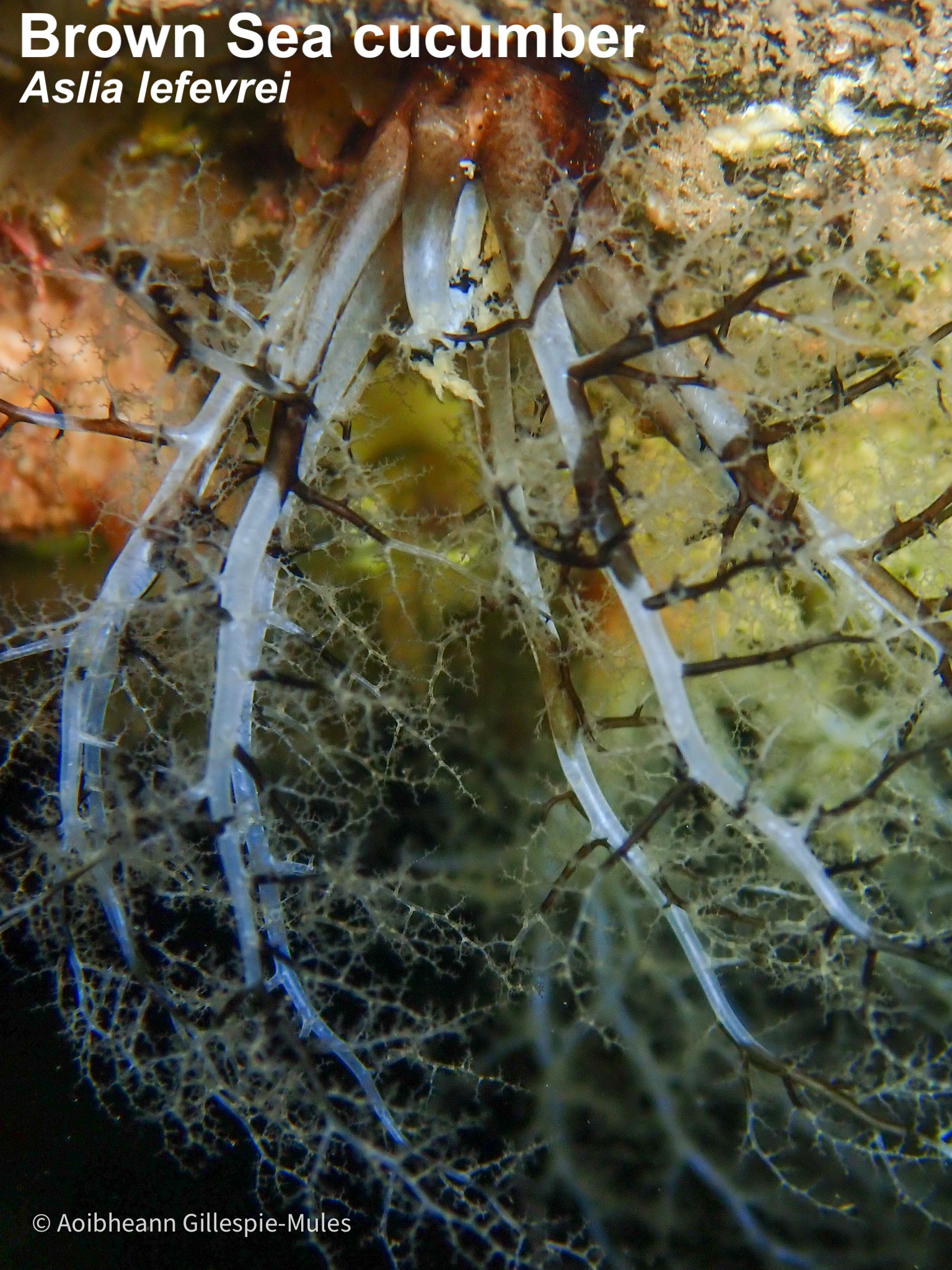
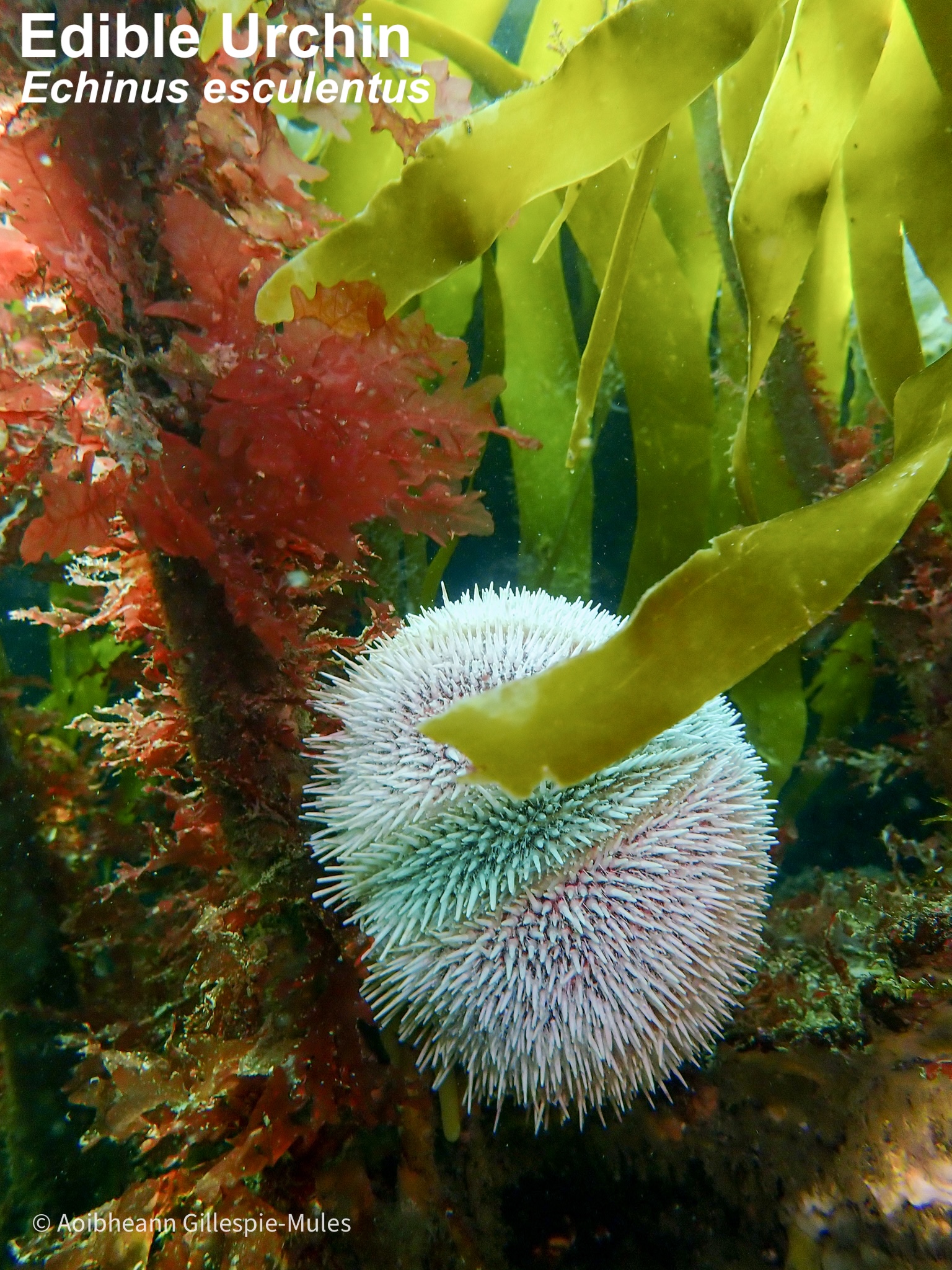
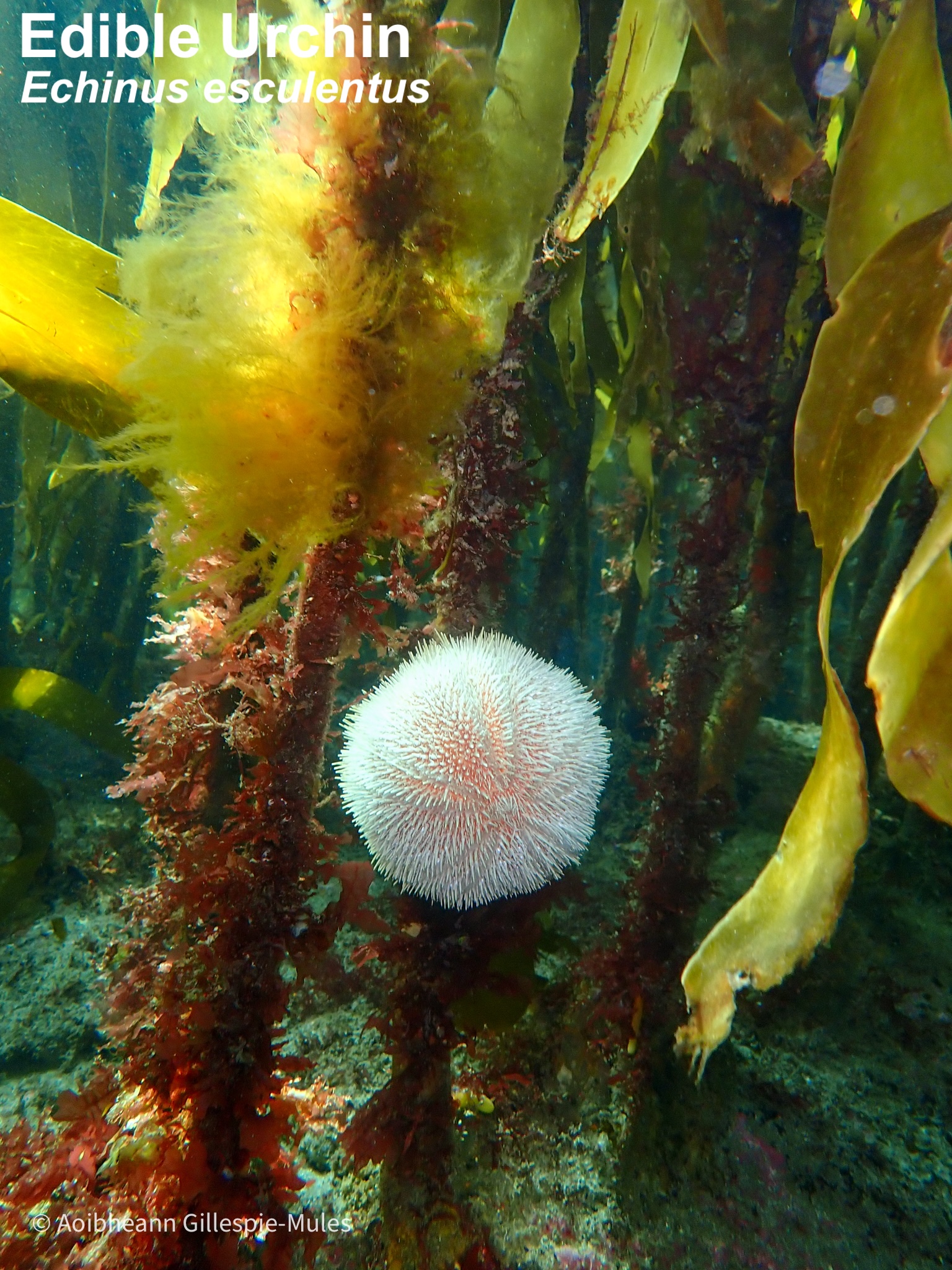
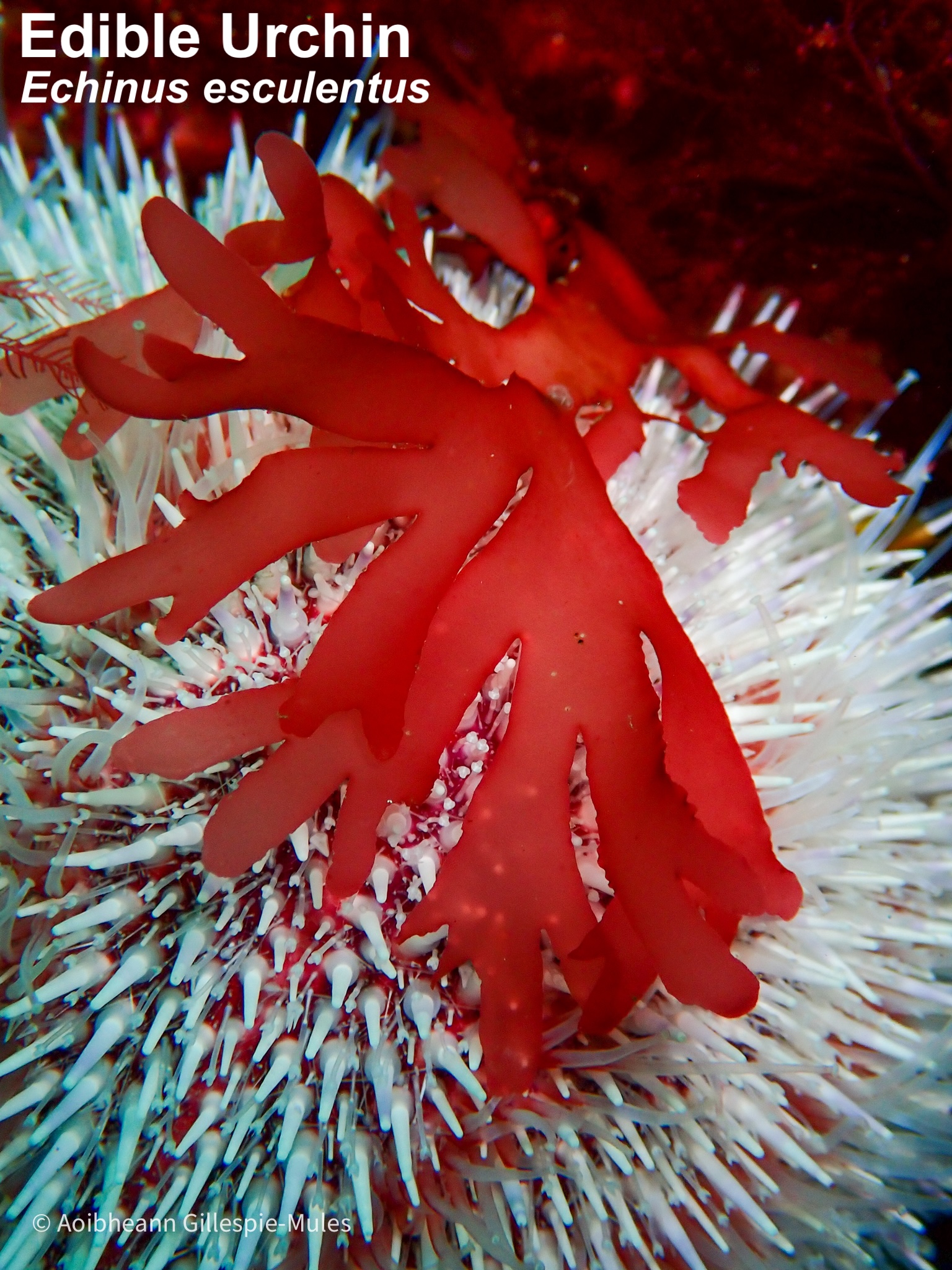
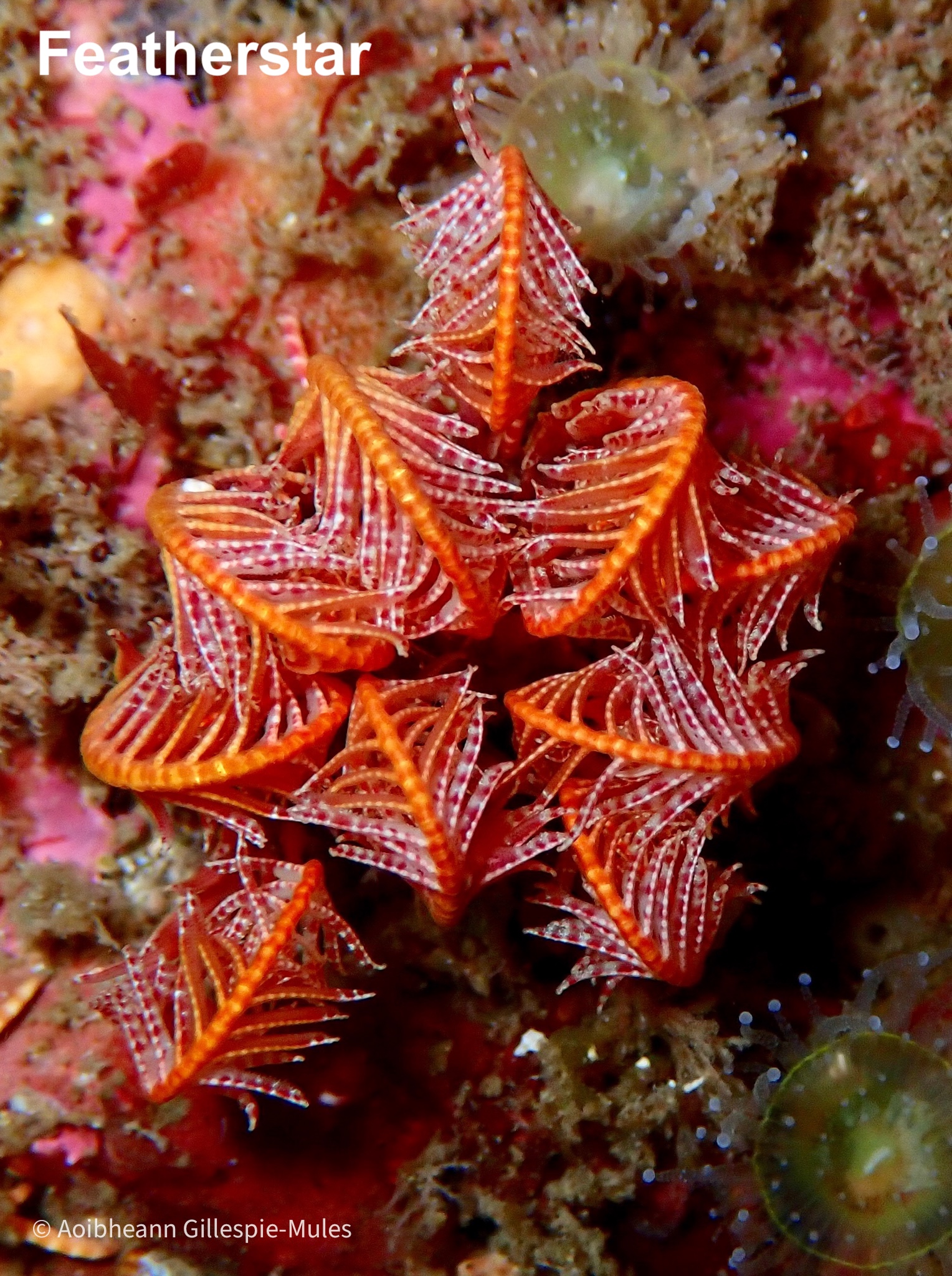
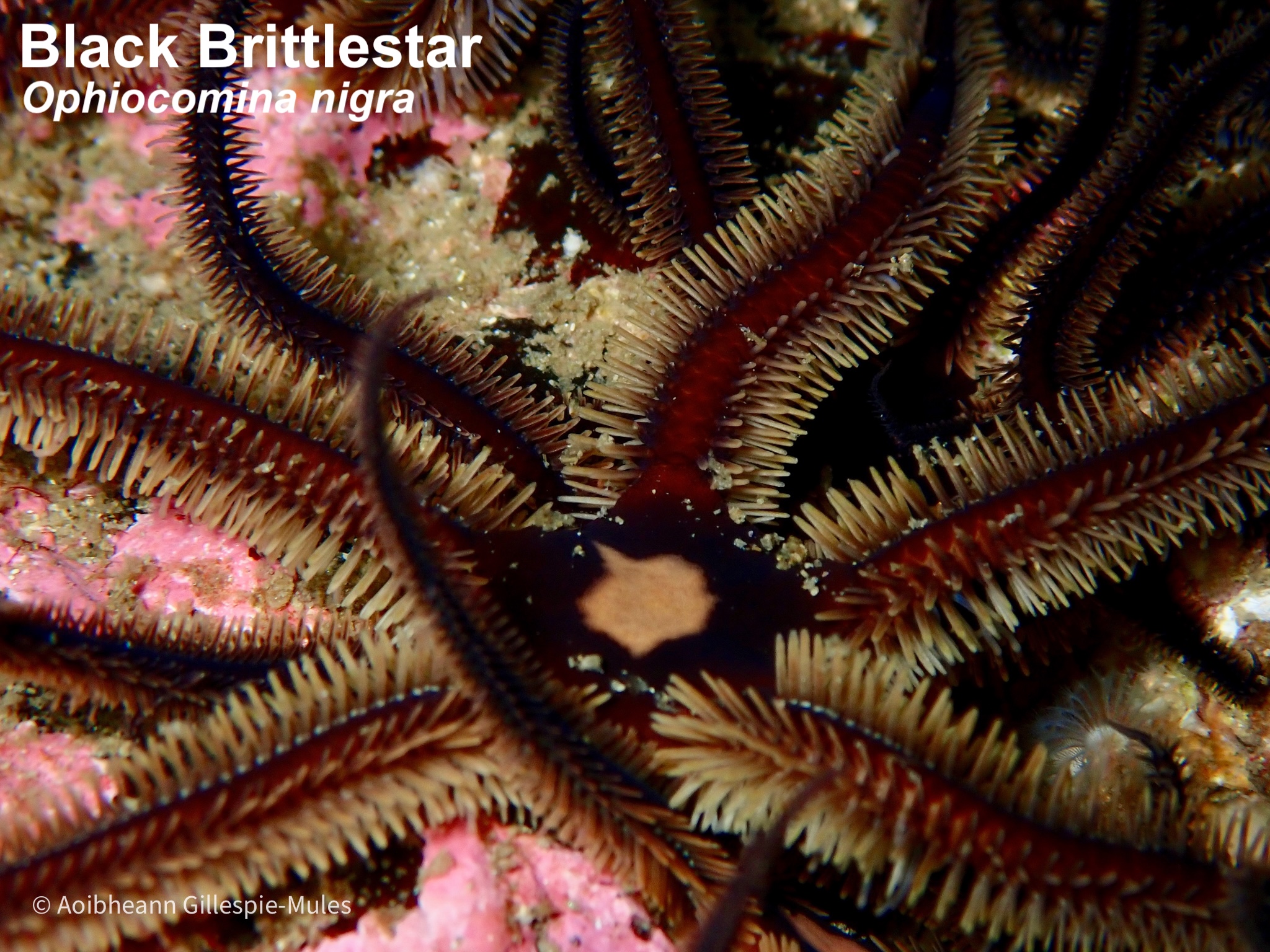
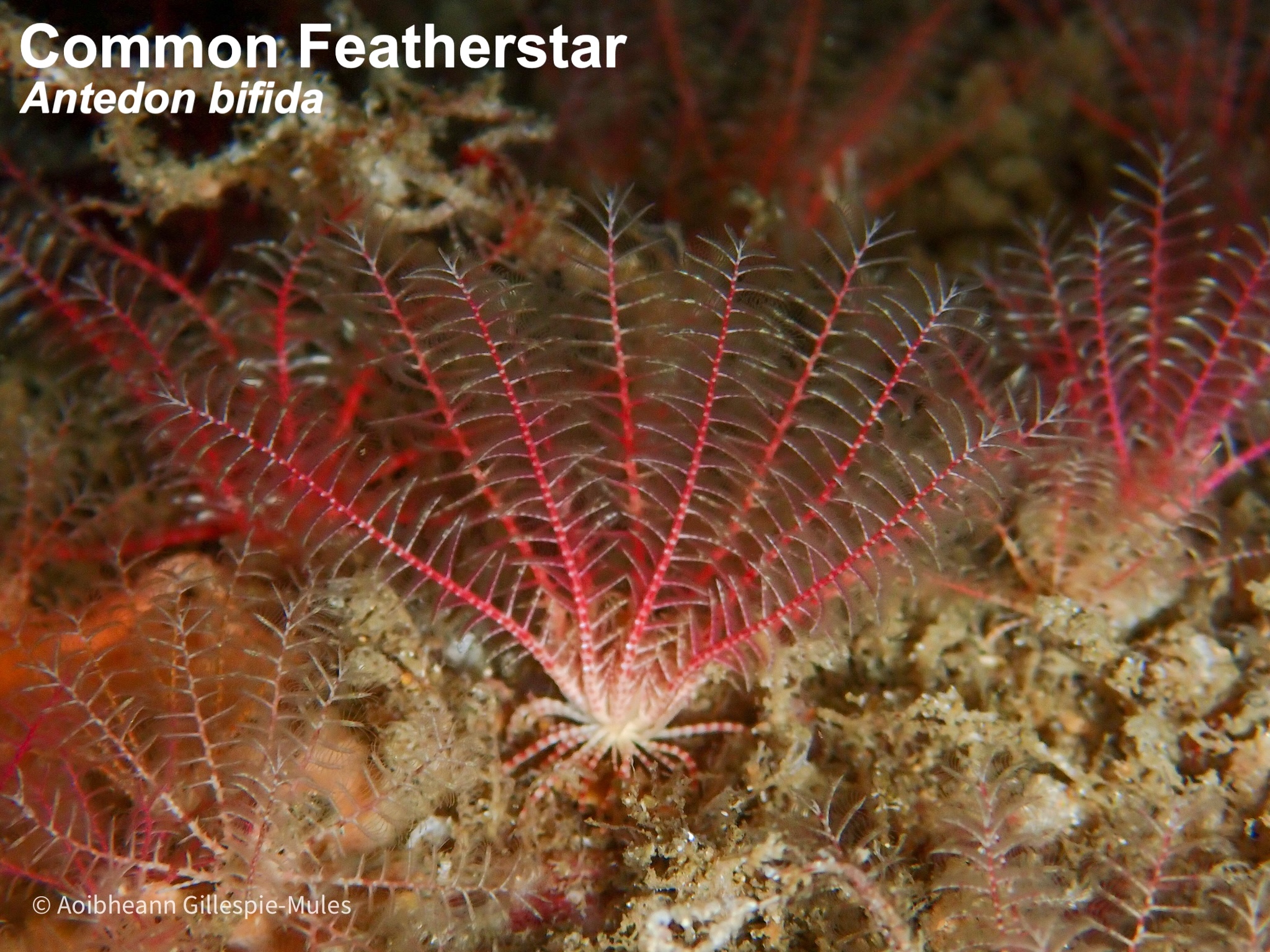
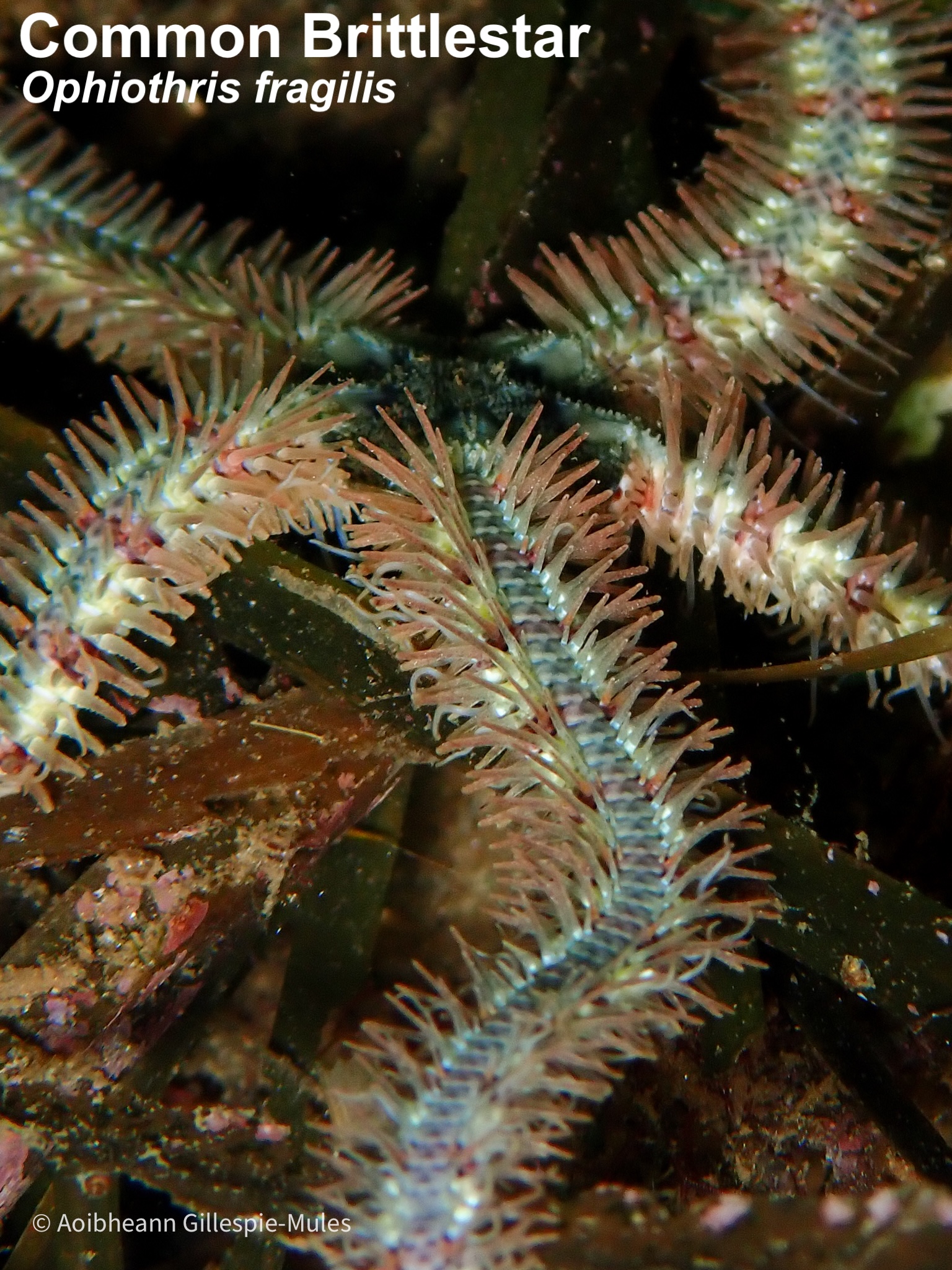
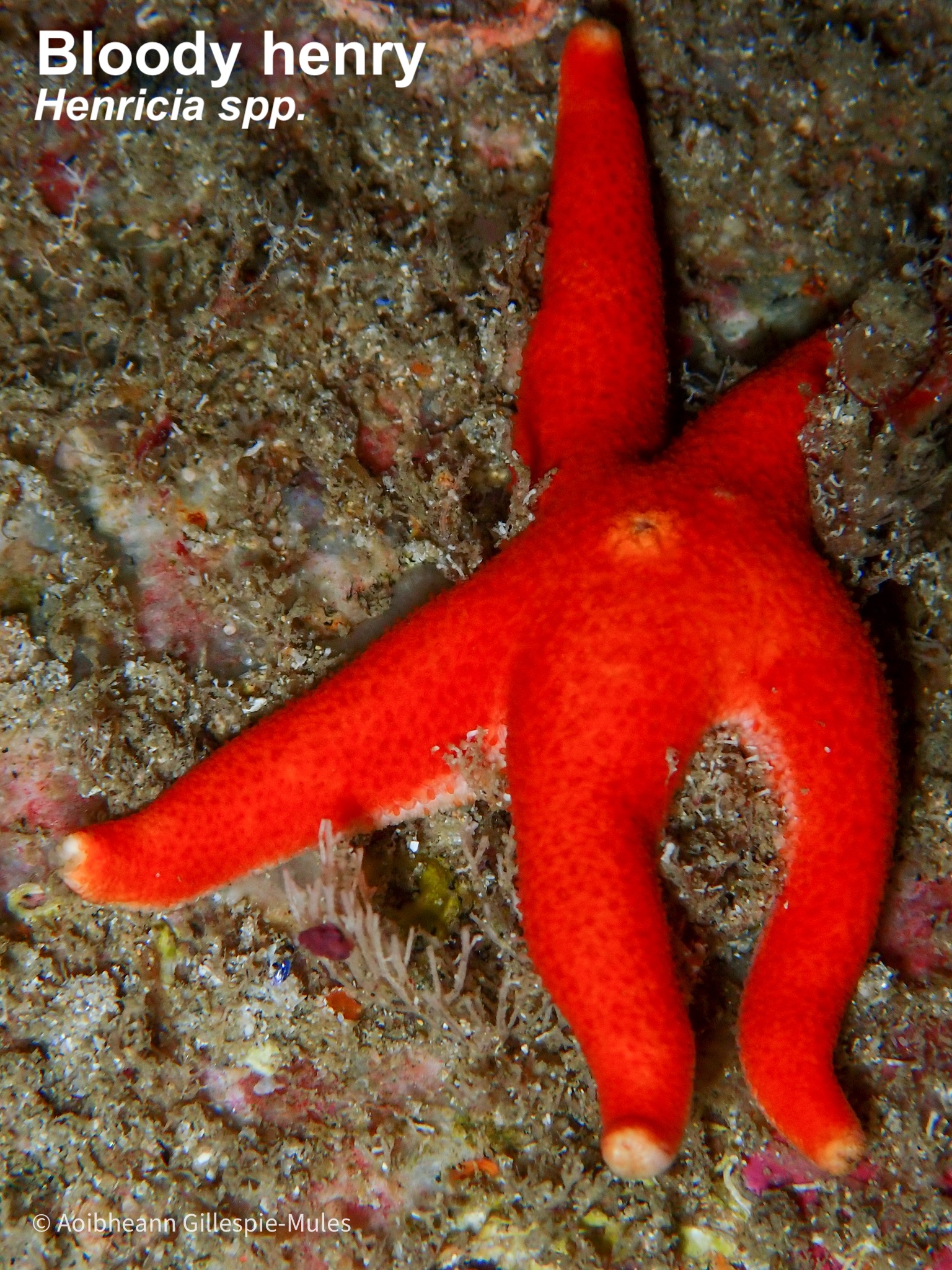
Echinoderms are a group of marine invertebrates that include sea stars, sea urchins, brittle stars, sea cucumbers, and feather stars. In some kelp forest ecosystems, sea urchins can have a pronounced impact, as their grazing activity strongly influences algal cover and overall community structure. Sea stars and brittle stars commonly inhabit rocky substrates and crevices, while sea cucumbers are often found in softer sediments, where they contribute to sediment turnover and nutrient recycling.
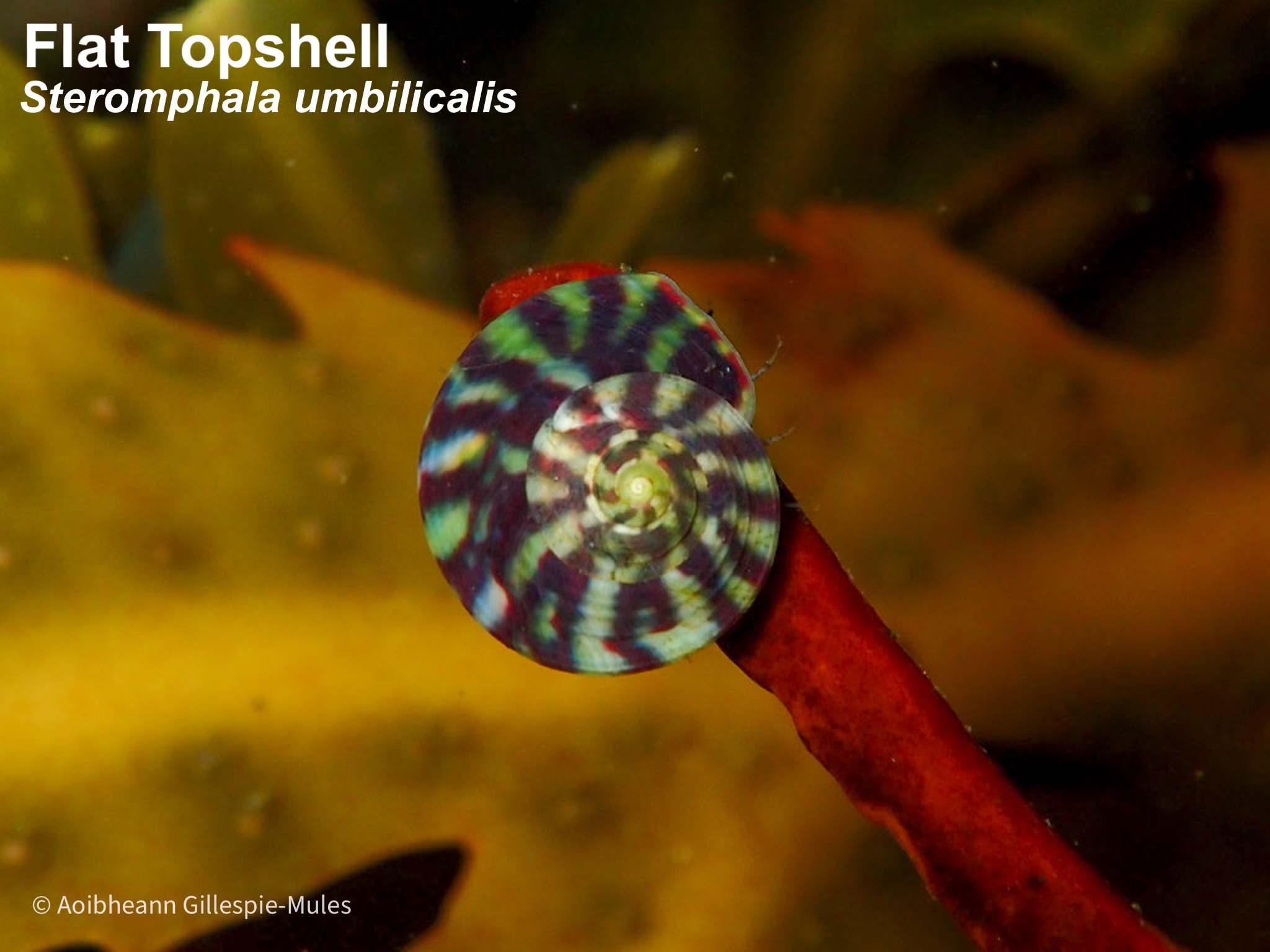
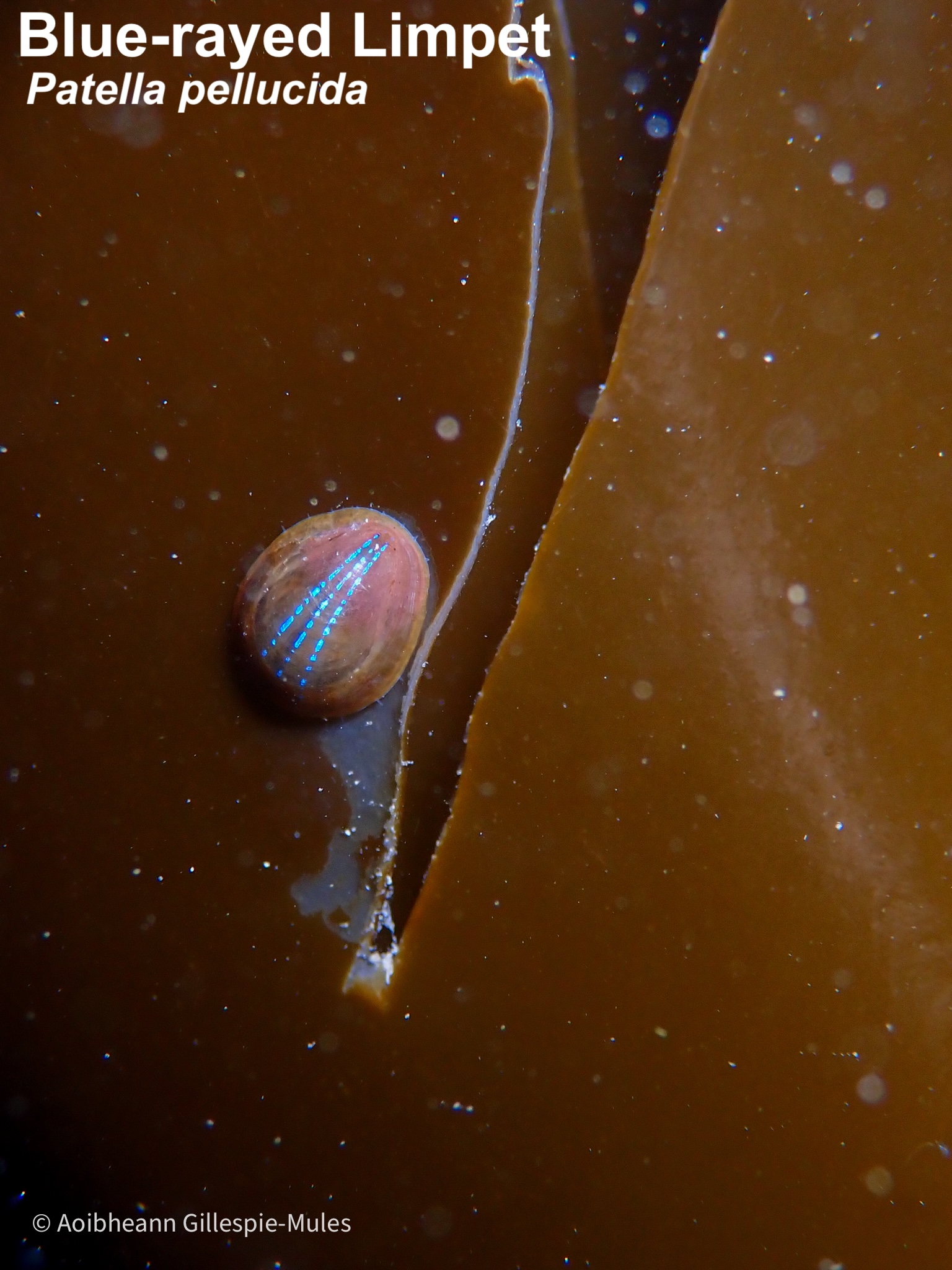
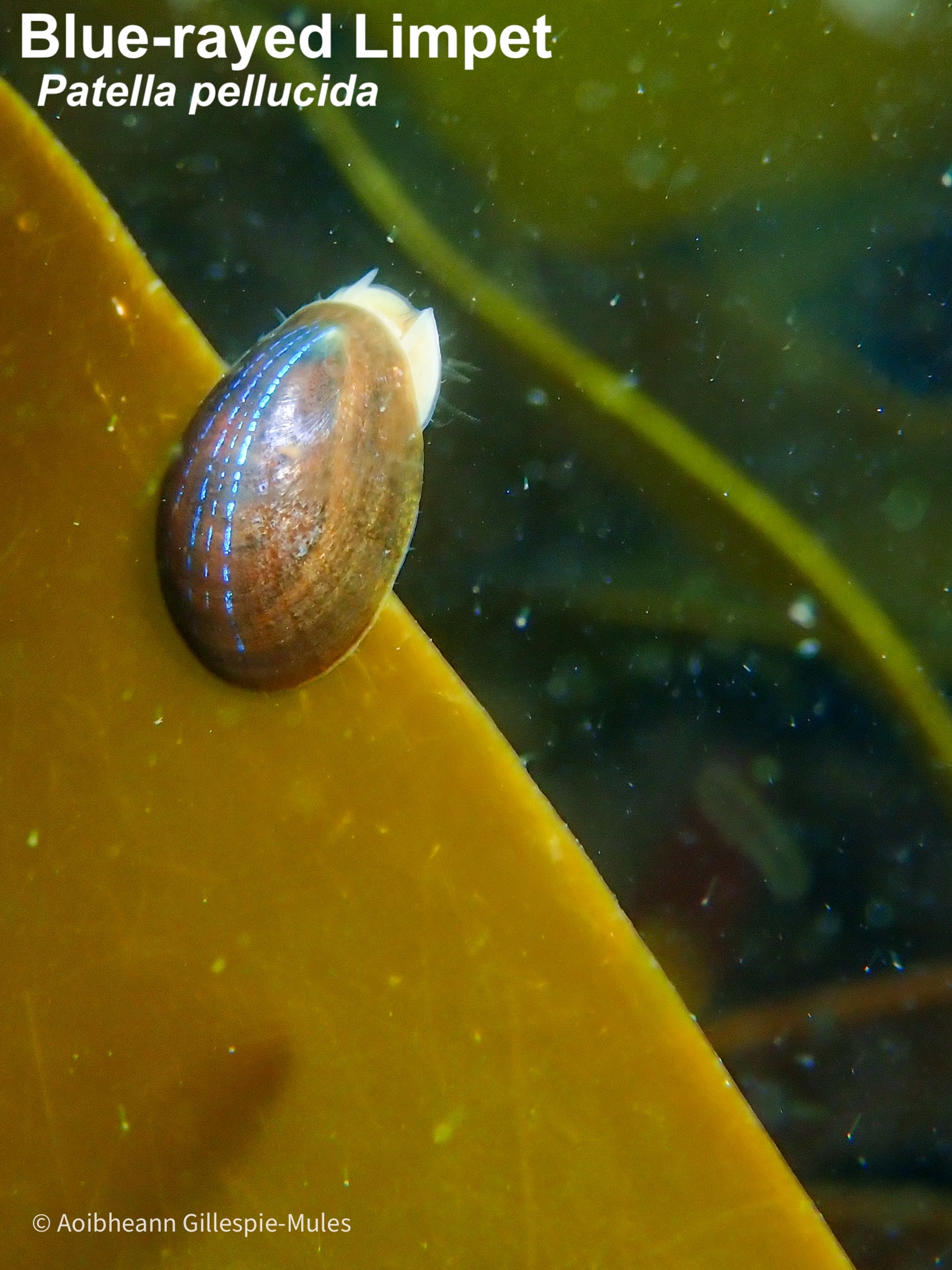
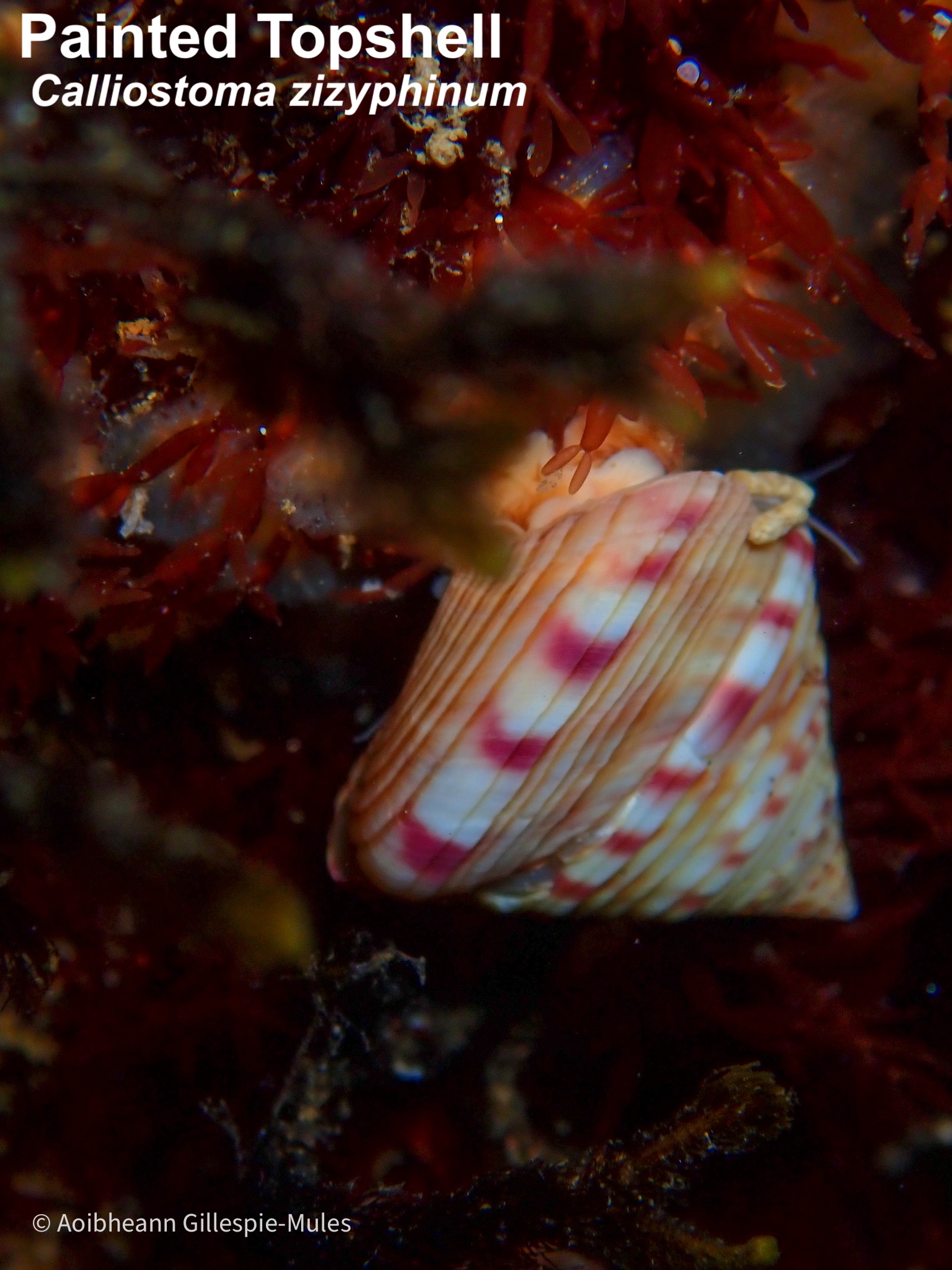
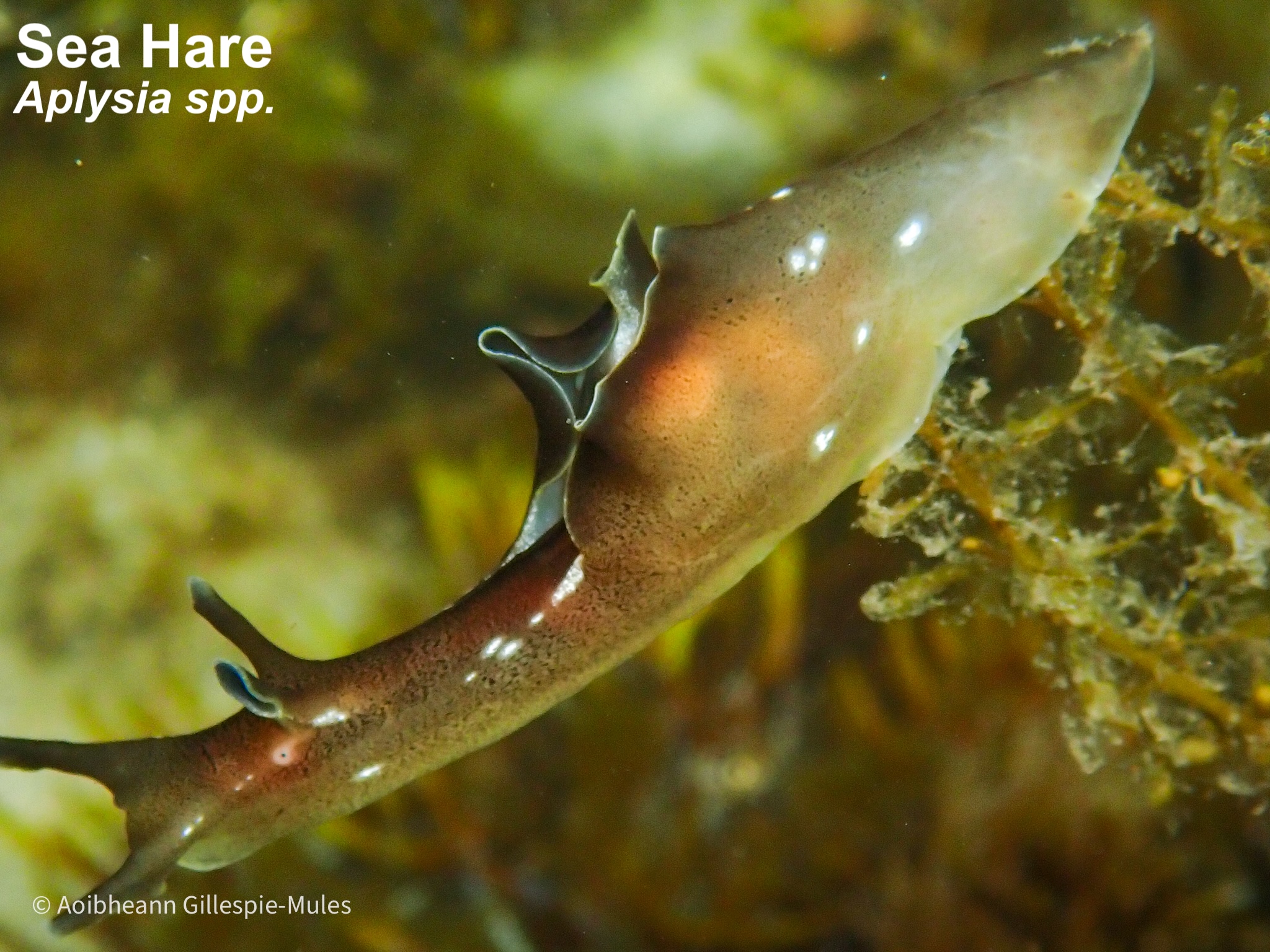
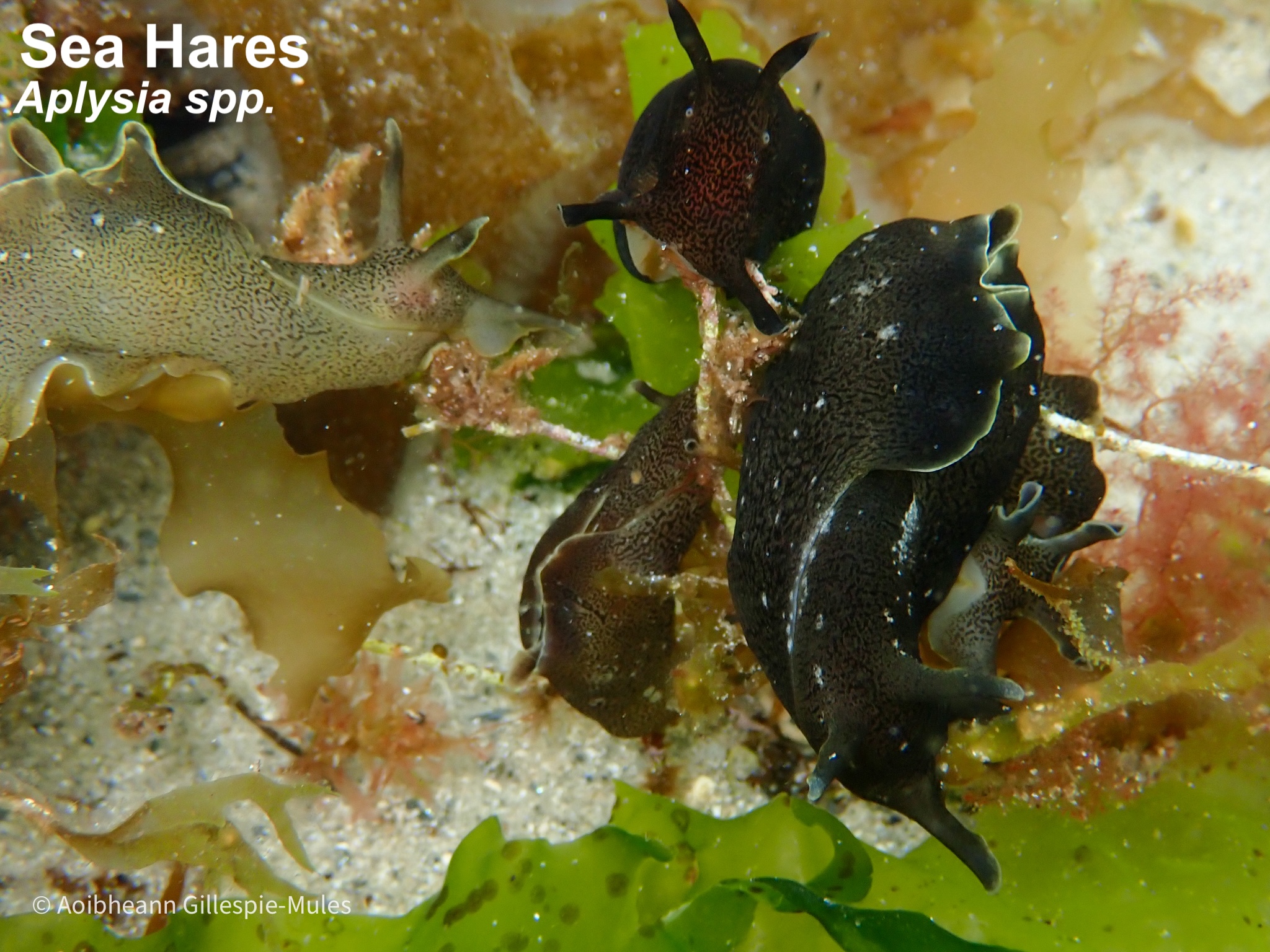
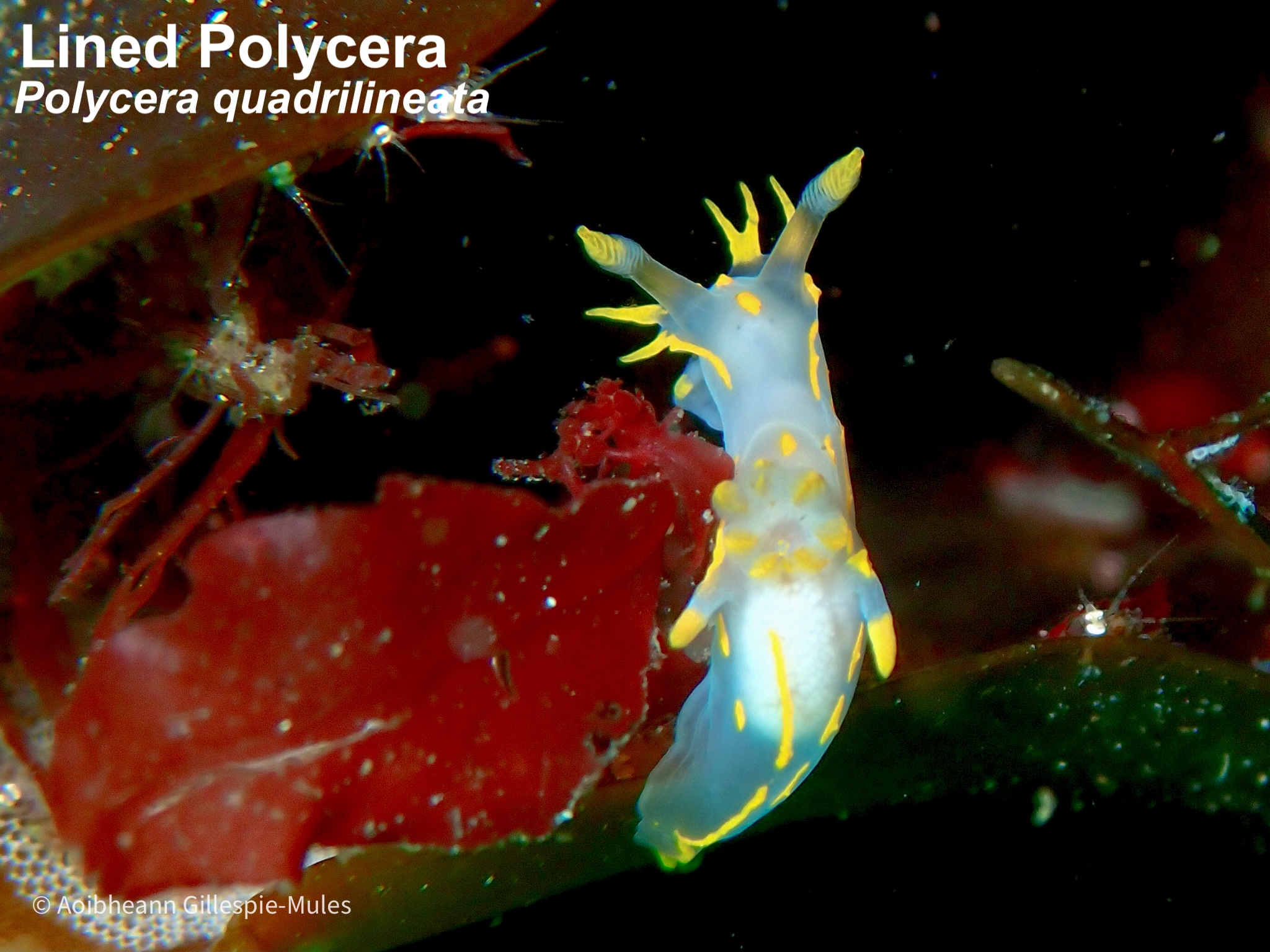
Molluscs
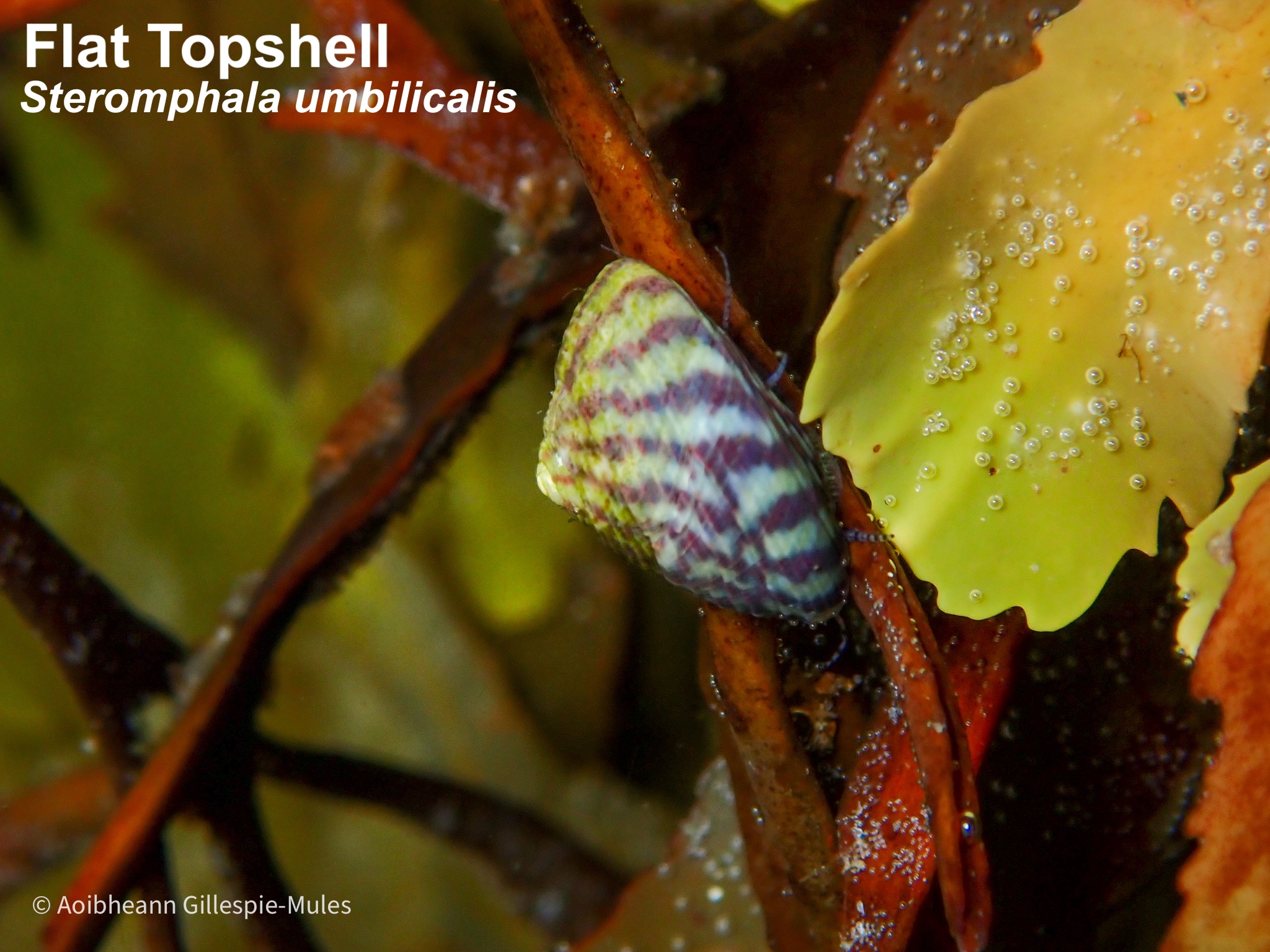
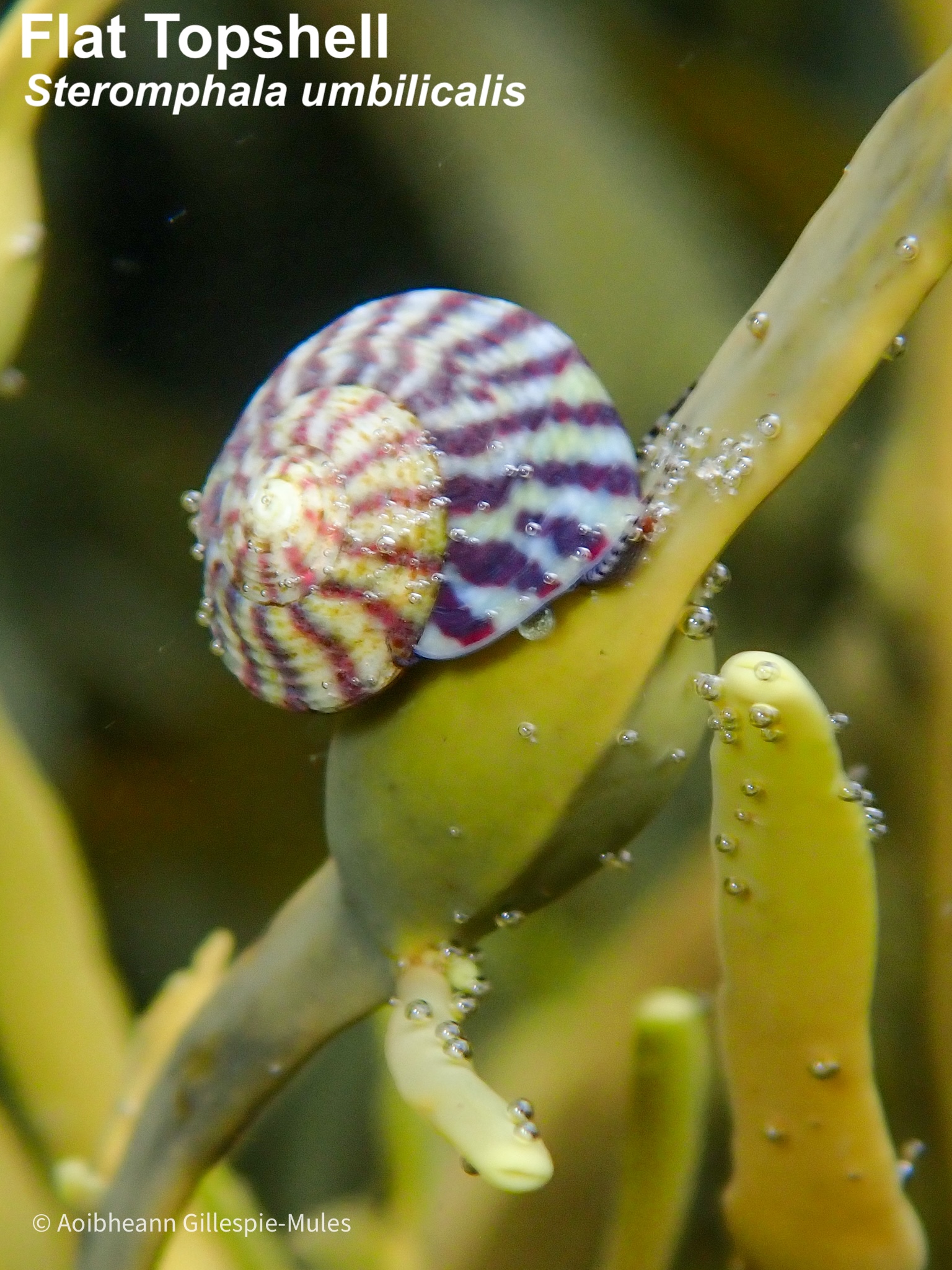
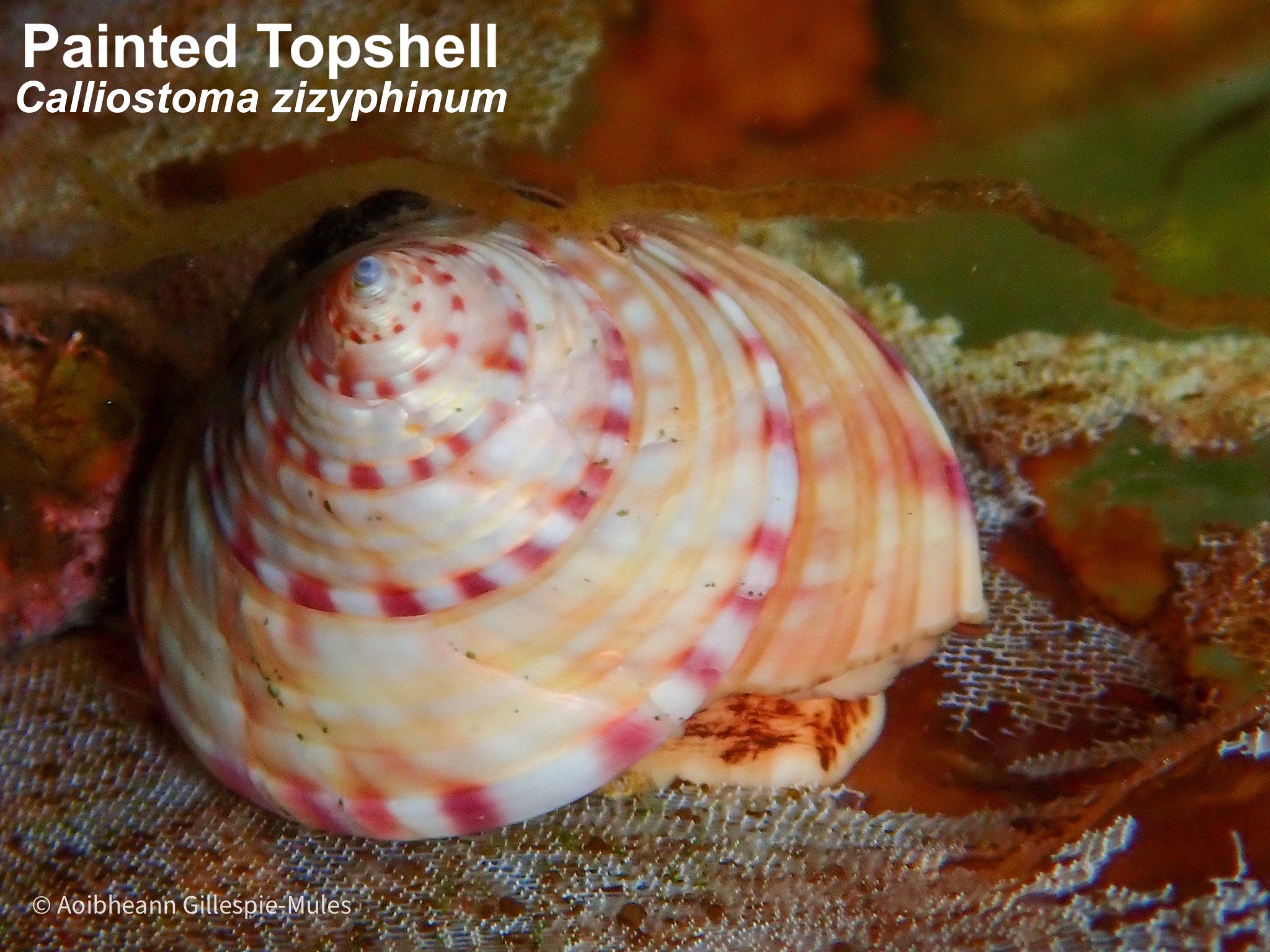
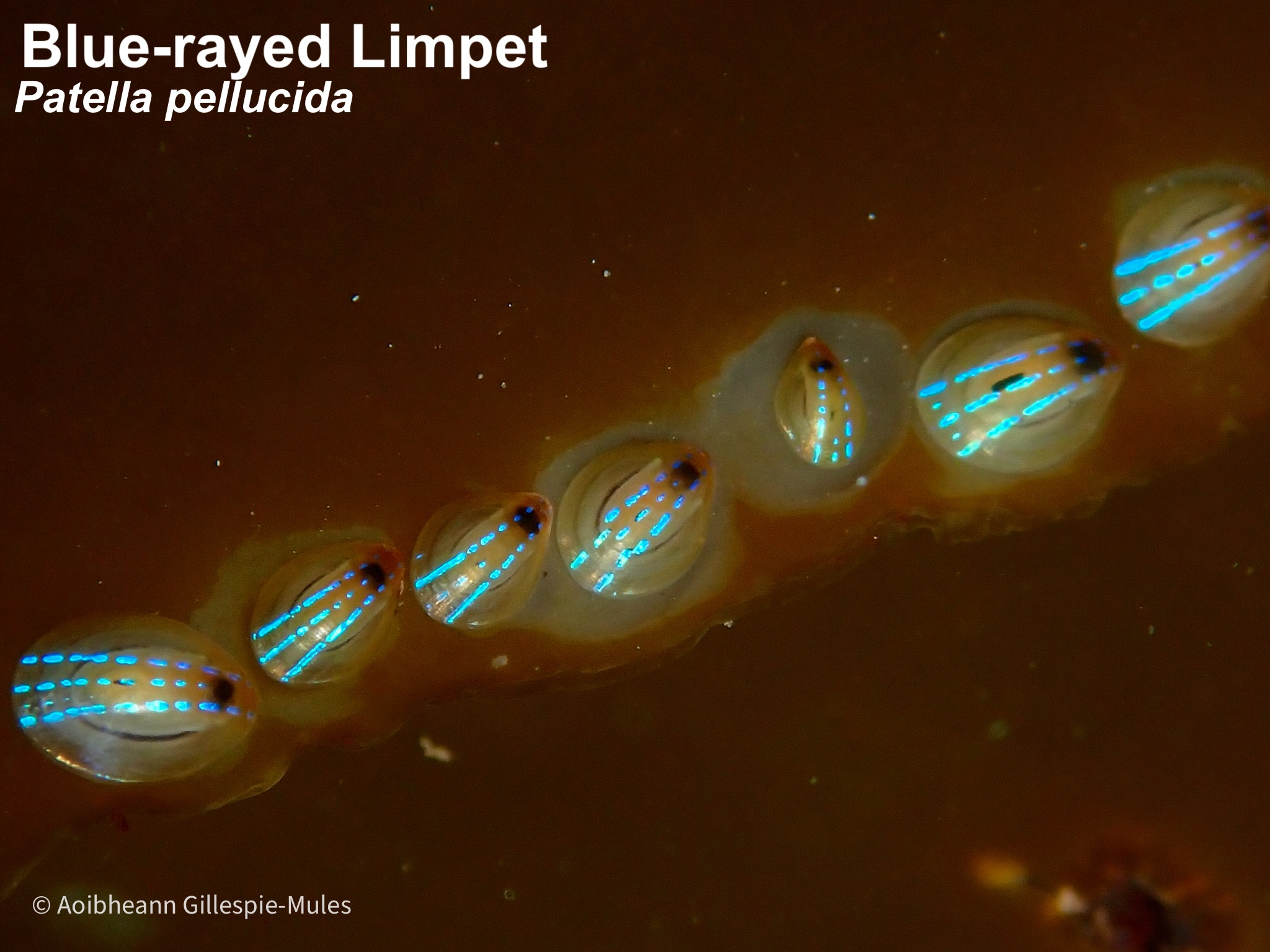
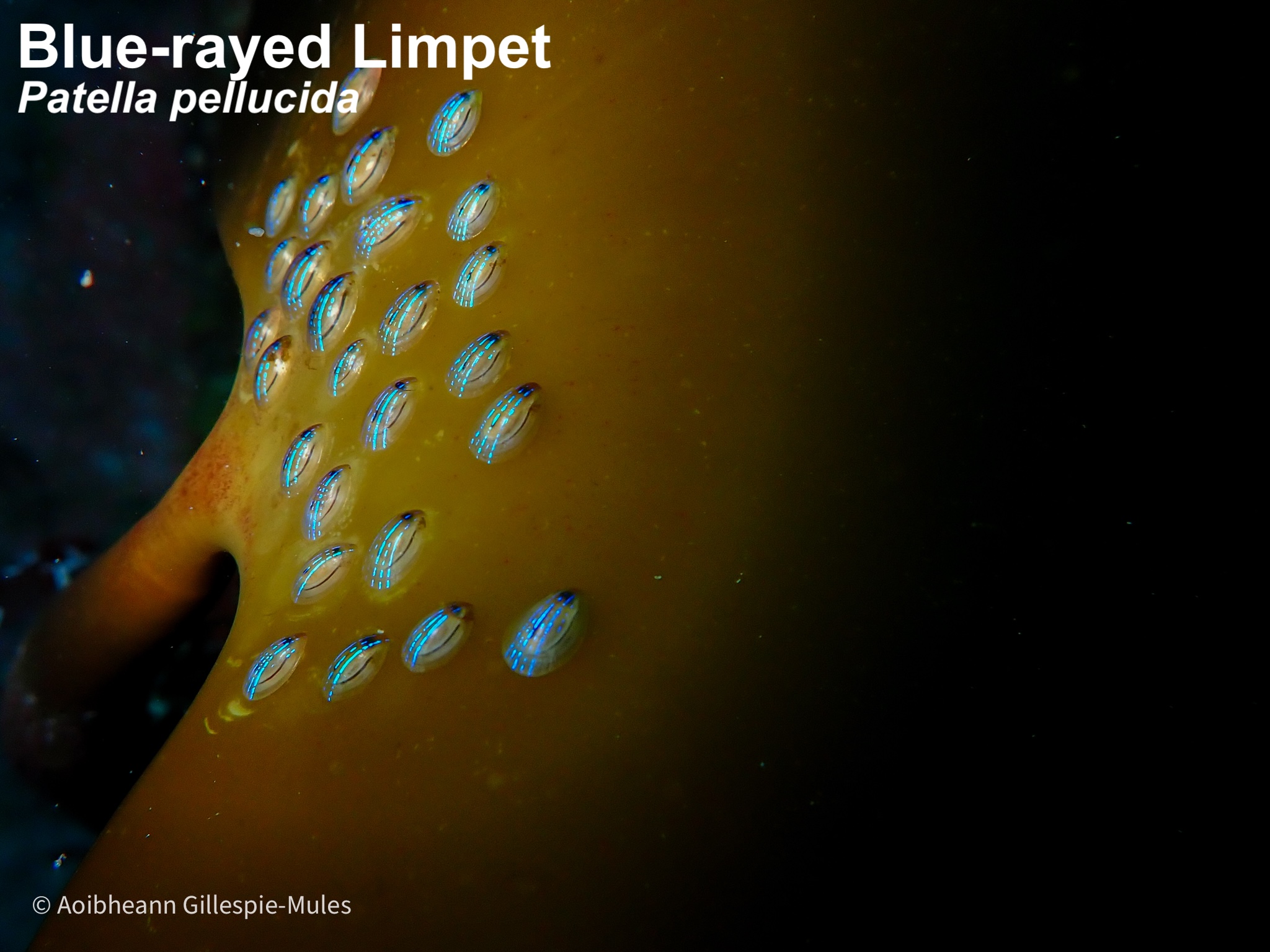
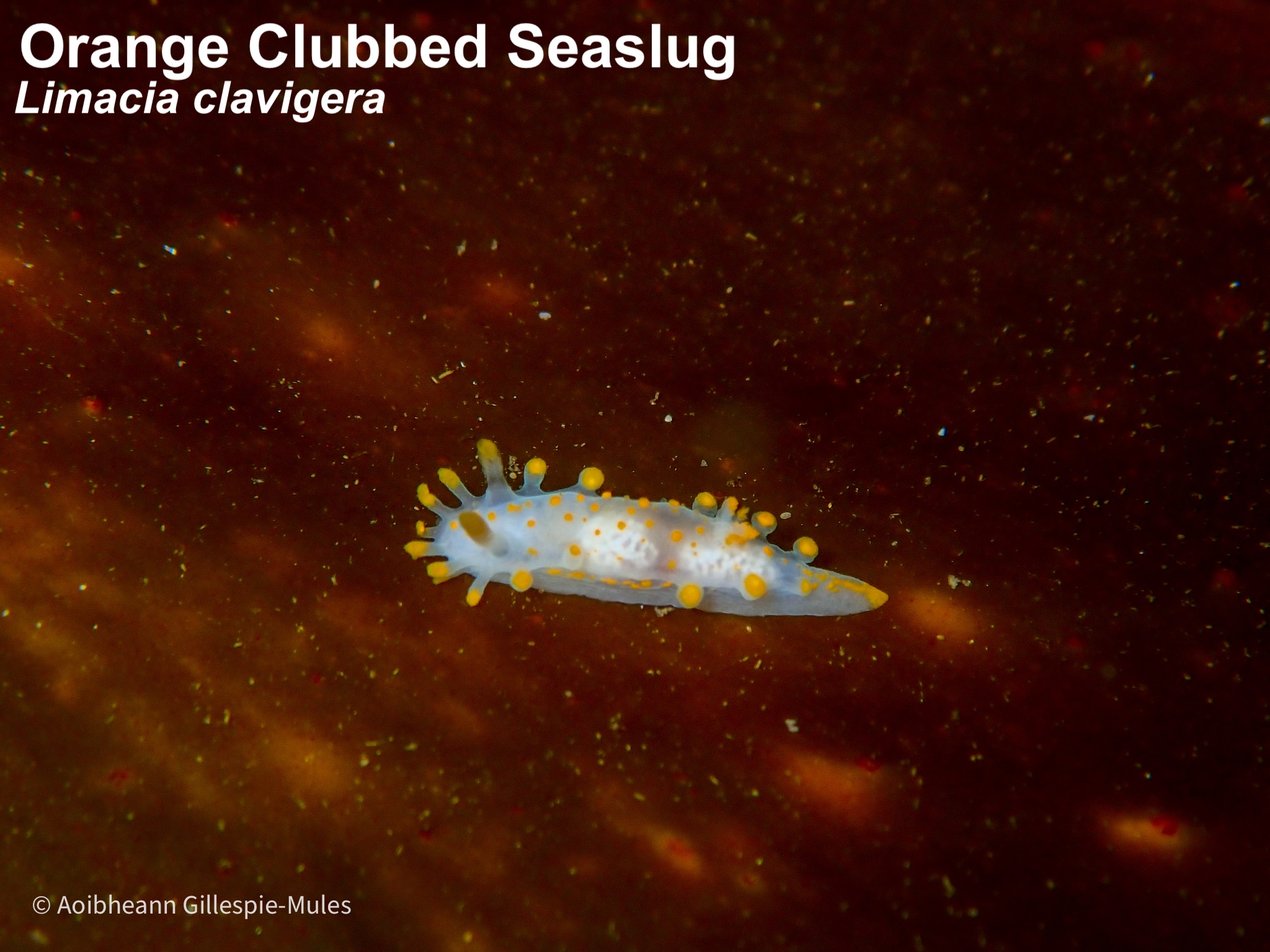
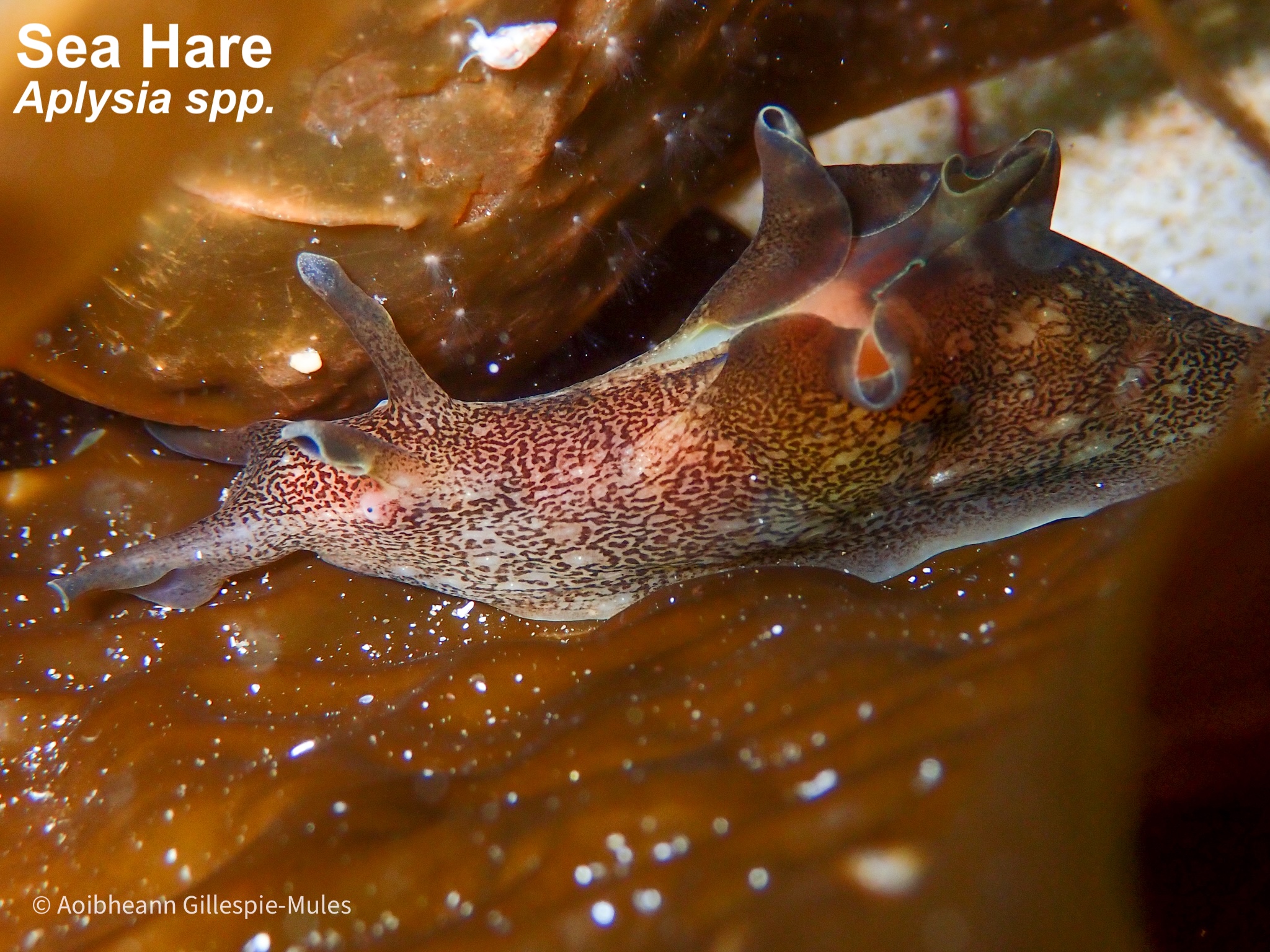
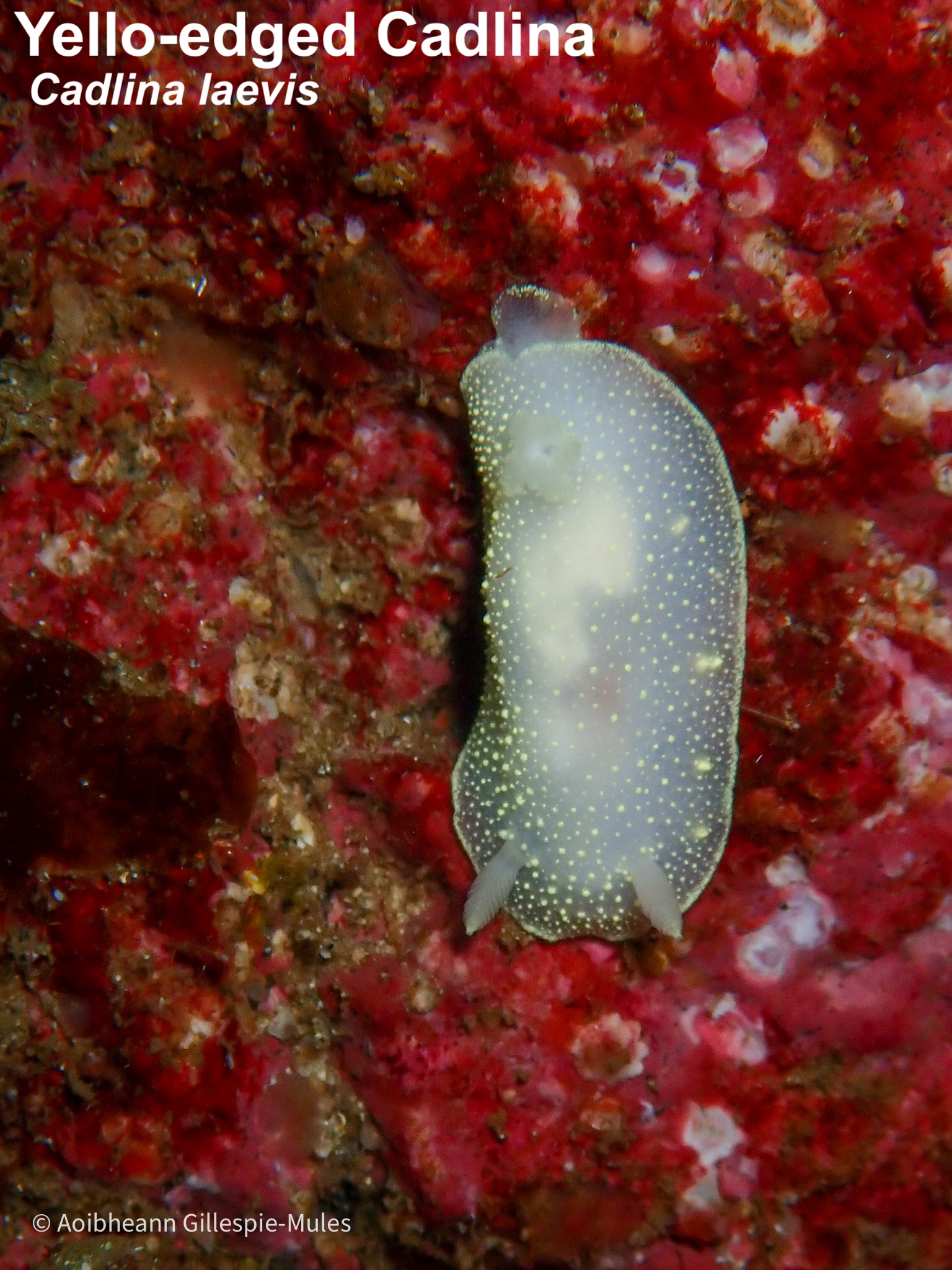
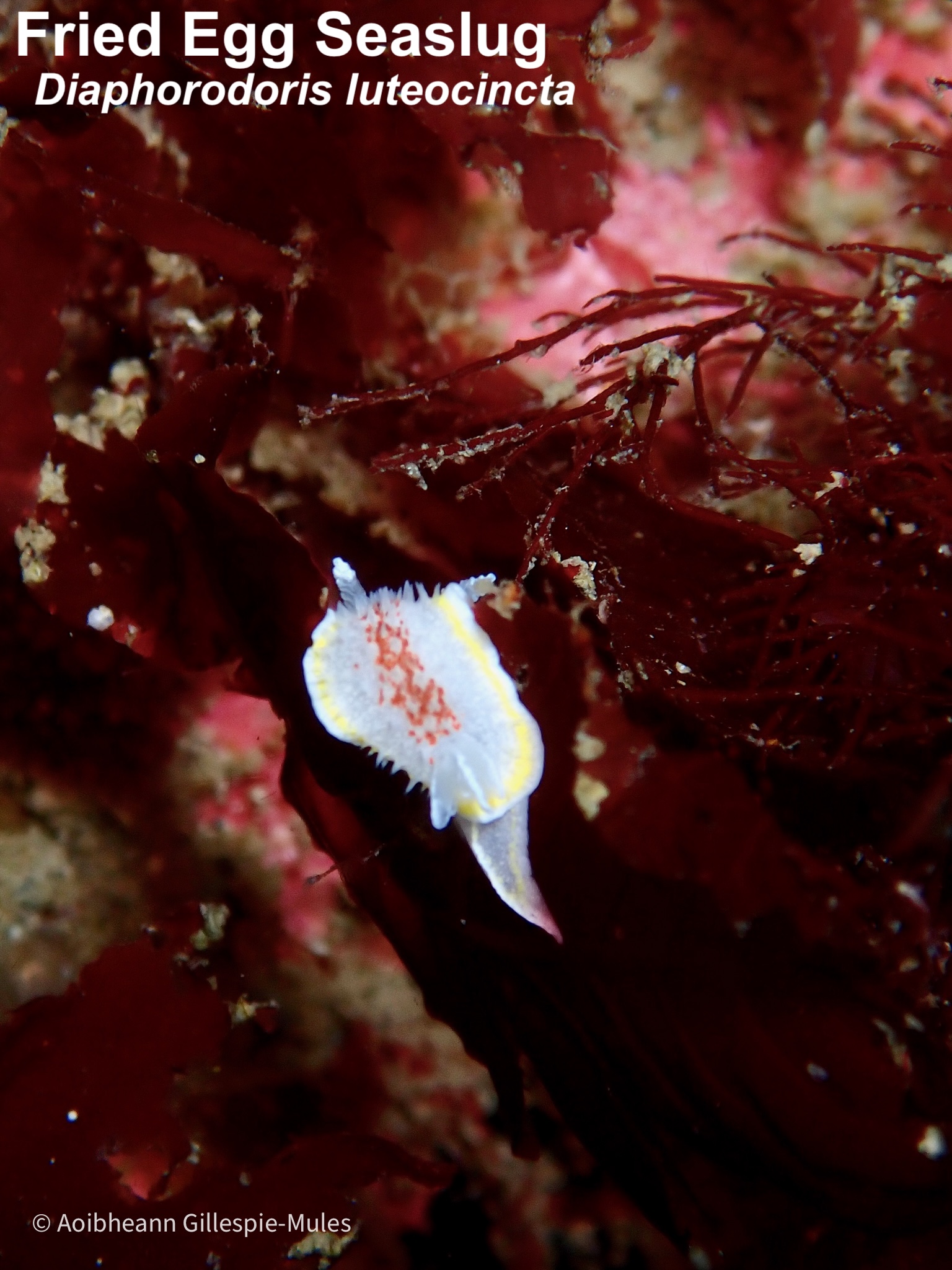
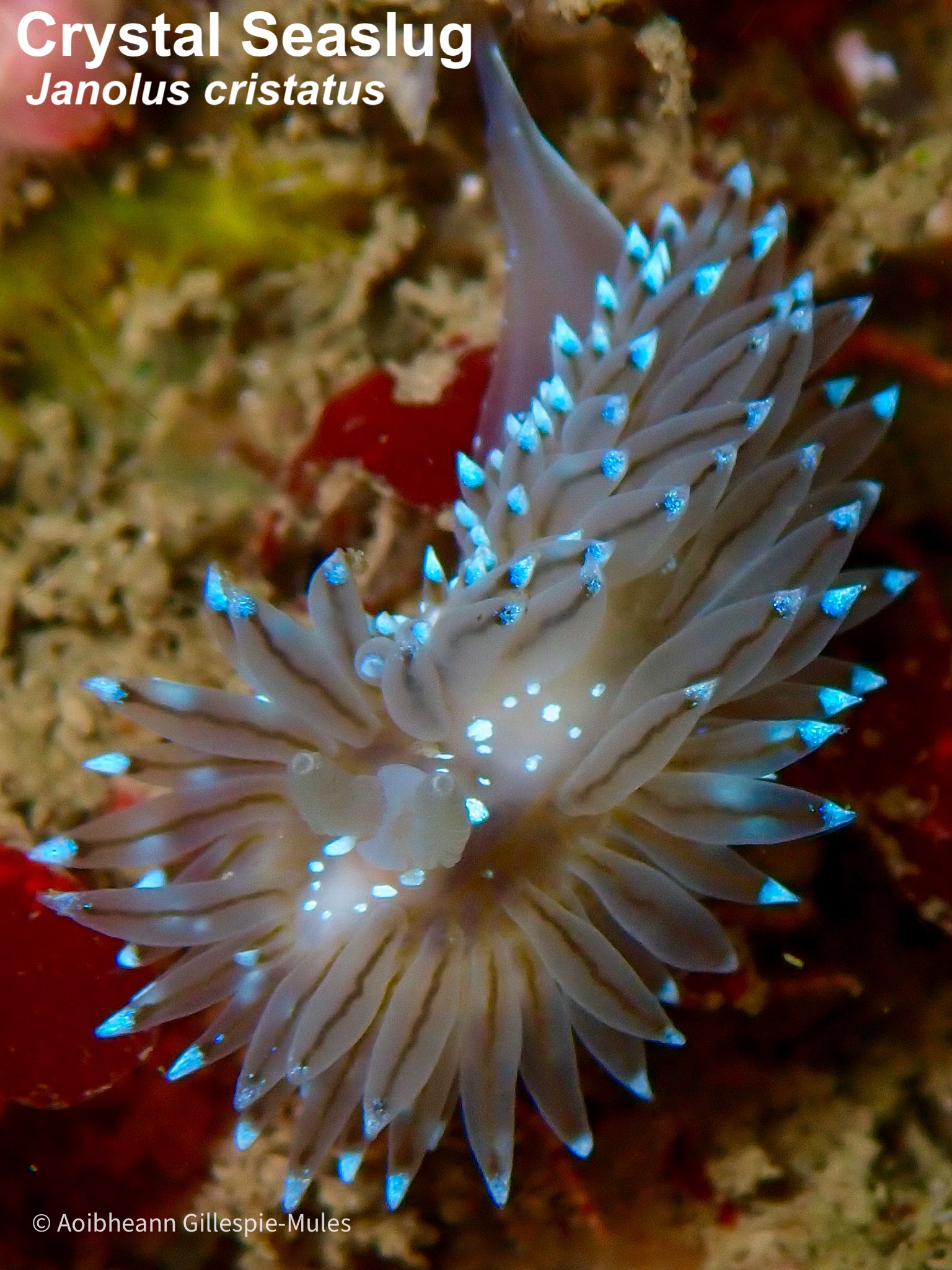
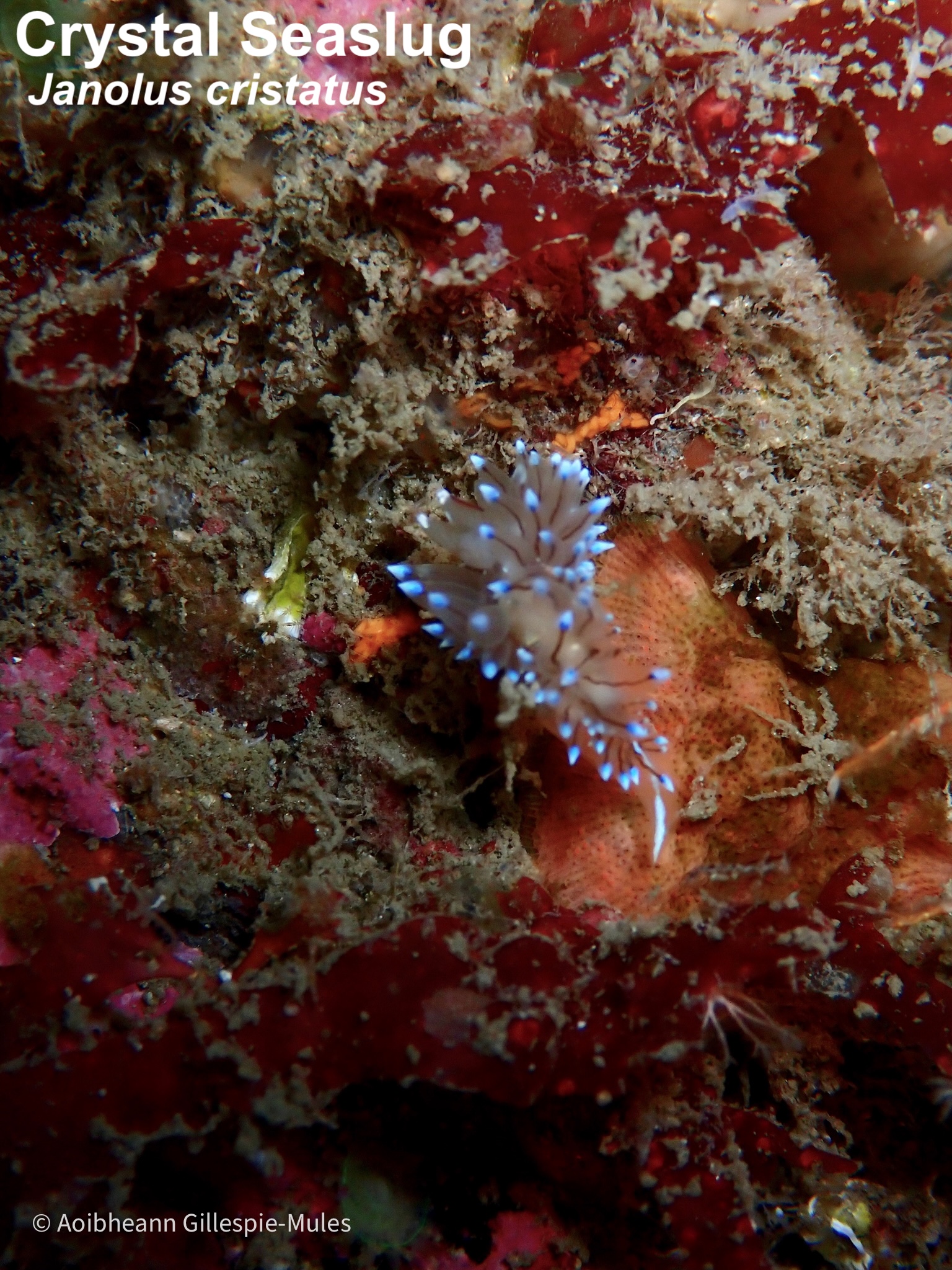
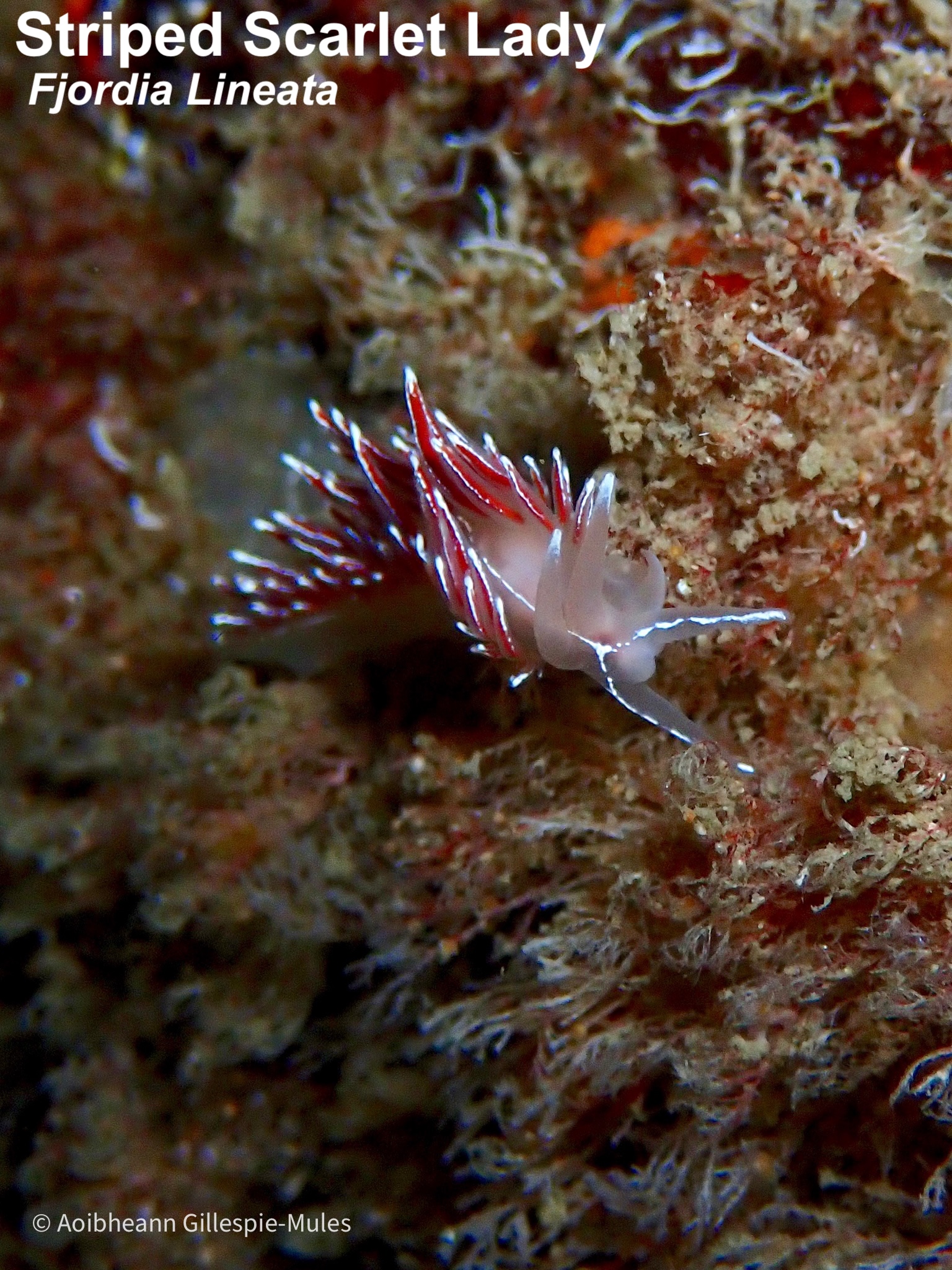
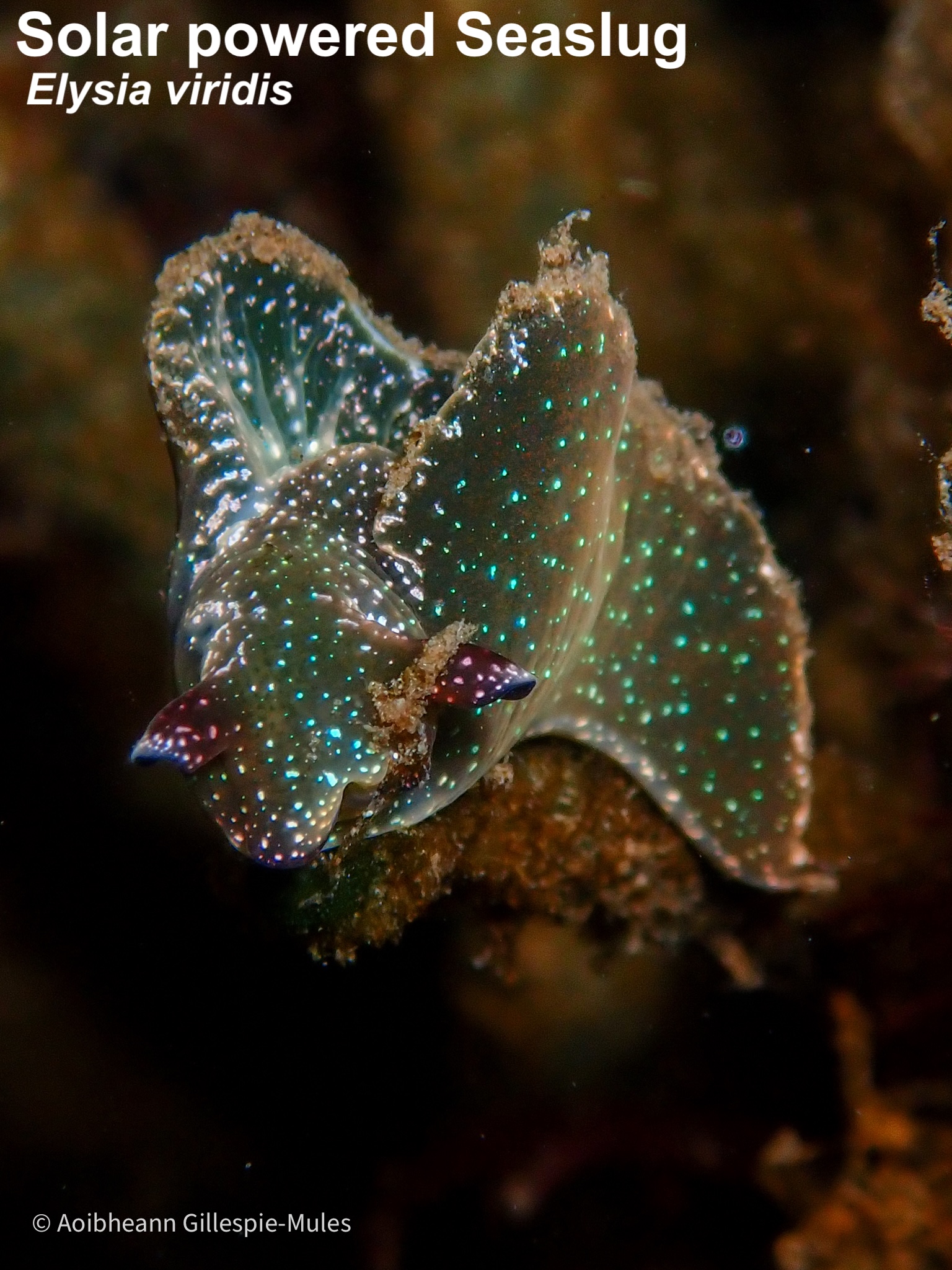
Sea slugs and Nudibranchs
Special Thanks to Aoibheann Gillespie-Mules!
SeaForest would like to thank Aoibheann for her contribution in providing us with these wonderful photos seen throughout our website.
Check out her Website and Instagram @surfacebelow_ireland for more incredible photos as well as information about her conservation efforts, diving courses, and storybook fundraiser!
 The SeaForest Project