
Project Outline
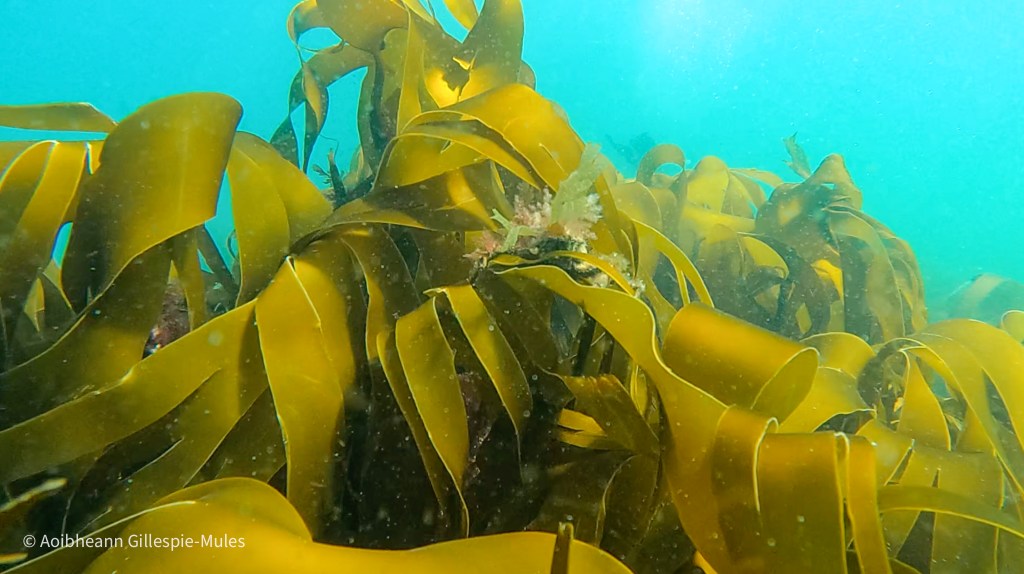
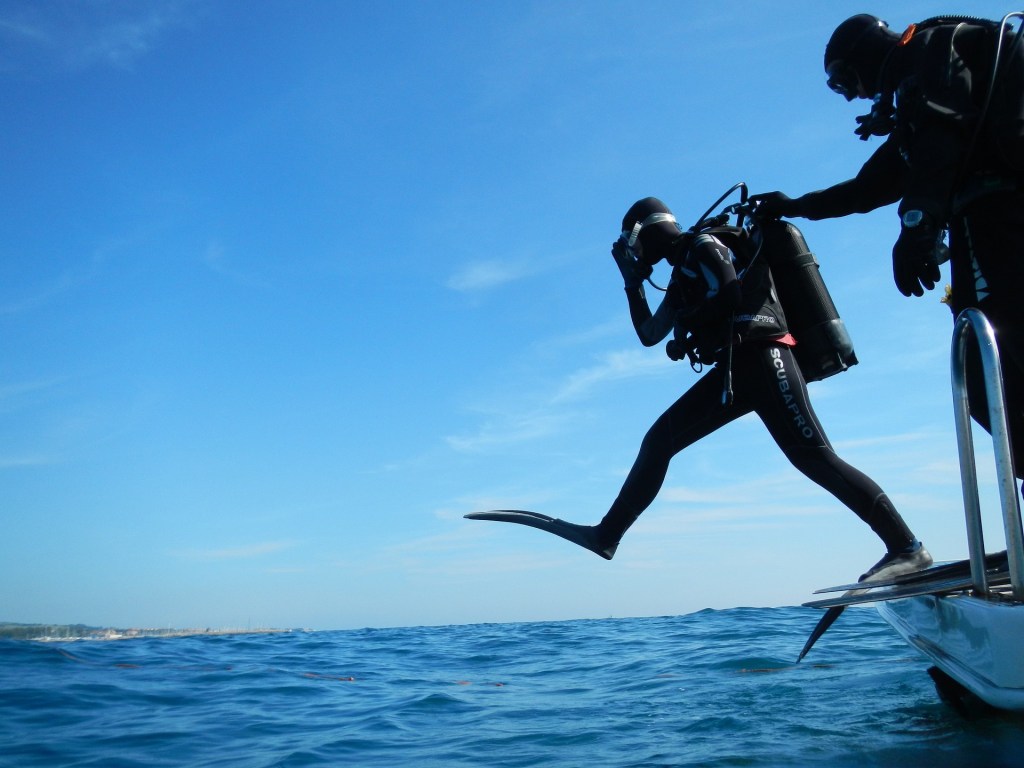
The SeaForest Project is a new initiative that sets out to enhance the scientific understanding of Ireland’s natural kelp forest habitats. Over the course of four years, the project will use habitat suitability modelling, field studies, and laboratory analyses to build an extensive dataset about the distribution, biodiversity, and health of kelp forests along Ireland’s coast, with a focus on five main species of kelp.
The project will also complement other research initiatives focusing on kelp’s functional role in marine ecosystems, such as carbon sequestration, biodiversity, and climate resilience. The ultimate goal is to improve conservation efforts and contribute to Ireland’s commitments under the OSPAR Convention to protect the Atlantic marine environment.
SeaForest will also help to inform future marine policy and management through risk assessment, evaluating where measures or actions to protect kelp habitats could be targeted, giving consideration to high-value areas; conservation or restoration needs; and climate change effects.
Why?
Global Drivers
Kelp forests are crucial to maintaining global biodiversity and play a key role in carbon sequestration in marine ecosystems, known as “blue carbon.” They offer critical habitats for a wide variety of marine species, acting as a structural foundation for coastal ecosystems. The global urgency of addressing climate change and biodiversity loss highlights the importance of kelp forests in achieving carbon-neutral and biodiversity-rich ecosystems. Their conservation and restoration are essential to combatting climate change and ecosystem degradation.
Threats
In the North-East Atlantic, kelp forests are an important marine habitat and contribute significantly to the oceans health and marine biological resources. However, significant losses have been observed in regions like the Greater North Sea and Bay of Biscay, prompting international efforts to protect these ecosystems under the OSPAR Convention. While Ireland has not yet been included in the OSPAR listing for declining kelp forests, a lack of comprehensive data has hindered the identification of trends in kelp distribution and condition. This project aims to fill that knowledge gap.




 The SeaForest Project