
Discover more with SeaForest!
What is Kelp?
Upon first glance, you may assume that Kelp is a special type of plant that is capable of surviving and growing underwater. It has many similar features to that of our terrestrial plants found on land including a root-like structure (holdfast), followed by a stem (stipe) which attaches a number of leaves (blades or laminaes) that float within the water column. However, it may surprise you to hear that kelp is not a true plant and is in-fact a specialized type of algae.
Kelp belongs to the order Phaeophyceae, which is part of the broader group of brown algae. This order is distinct from the other two major groups of seaweed: red algae (Rhodophyta) and green algae (Chlorophyta). While red and green algae are more closely related to land plants in certain aspects, brown algae, including kelp, represent a separate evolutionary lineage, with unique biological characteristics suited to their marine environment.
Kelp thrives in shallow, cold water regions that are rich in nutrients and receive ample sunlight. As a vital component of marine ecosystems, it often forms large underwater forests that provide habitat and food for various marine species. Like other species of algae, kelp can frequently be found along coastlines in semi-exposed tidal areas, where it plays a crucial role in coastal protection and contributes to the overall health of ocean biodiversity.
The Structure of Kelp
Though kelp may resemble a plant in some ways, it is important to remember that it lacks many of the essential features of true plants. For example, kelp does not have vascular tissue (the system of veins that transport water and nutrients in land plants), which is crucial for the growth and survival of terrestrial plants. Instead, kelp absorbs nutrients directly from the surrounding water, utilizing specialized cells capable of this uptake. Additionally, kelp has a vastly different reproductive cycle, often involving complex life stages that can include both sexual and asexual processes. Kelp relies on water currents to disperse its reproductive spores, and it thrives in shallow, coastal areas where sunlight penetrates effectively, allowing it to perform photosynthesis. This adaptability to aquatic environments highlights kelp’s unique physiological characteristics that set it apart from traditional land-based flora.
- Holdfast: The holdfast is the root-like structure that anchors the kelp to the seafloor. It doesn’t absorb nutrients like the roots of terrestrial plants; rather, it simply secures the kelp to rocks or other substrates. This anchor is crucial for surviving the strong ocean currents that could otherwise uproot the kelp.
- Stipe: The stipe is the stem-like structure that connects the holdfast to the blades. It provides structural support, allowing the kelp to remain upright and better capture sunlight in the upper water column. Unlike terrestrial plants, the stipe also contains photosynthetic cells to help absorb sunlight, maximizing the amount of energy that can be produced by an individual.
- Blades (Laminae): The blades are the leaf-like structures that extend from the stipe. These blades are where the majority of photosynthesis occurs, capturing light, carbon dioxide and excess nutrients from the water column to produce energy for the kelp. Kelp blades can vary in shape, size, and number from long, flat fronds to multiple narrow, strap-like forms, depending on the species. In certain species, blades can continuously grow from the meristem base with the edges often becoming worn over time from wave action and predation. Some kelp species have an annual life cycle while other can continue growing for many years.
- Pneumatocysts: Many kelp species possess air-filled bladders called pneumatocysts that help the blades float toward the surface of the water. This buoyancy ensures that the blades remain in the sunlit zone, where photosynthesis is most efficient.
Kelp: A Giant Among Seaweeds
Kelp is perhaps the most recognizable and ecologically significant group within the brown algae. Kelp forests can grow in dense, towering stands in coastal waters, particularly in regions with strong wave action and nutrient-rich environments. Large brown algae from the order Laminariales are some of the more common kelp species in Ireland and can be found nationwide. Kelp forests are typically dominated by a few key species and can form huge underwater structures that provide many microhabitats for different animals to occupy. They are some of the fastest growing species of algae, forming dense canopies growing upwards as they compete for available sunlight. Though Ireland does not have the worlds largest species of kelp, aptly named Giant Kelp (Macrocystis pyrifera), it does have five other giant kelp capable of growing anywhere from 1.5m-10m in height, depending on the species.
Kelp in Ireland!
The Irish coastline is home to a variety of unique kelp species that can be found all across the shallow, cool waters. The nutrient-rich waters and rocky substrate found all along the coast offer the perfect habitat for giant kelp to thrive, creating an extensive underwater forest that supports diverse marine life. This kelp provides essential shelter and food for numerous local fish and invertebrate species. In recent years, the sustainable harvesting of kelp has gained attention as a potential resource for biofuels and other eco-friendly products, further highlighting its importance to Ireland’s coastal economy and environment. The KelpForest Project will investigate five of these giant kelp species that contribute to the health and production of our local ocean ecosystems, focusing on their distribution, abundance, and the ecological interactions they maintain with other marine organisms. By understanding these dynamics, the project aims to promote sustainable practices and conservation efforts that protect these vital underwater habitats for future generations.
- Forest Kelp Laminaria hyperborea
- Oar Weed Laminaria digitata
- Furbellows Sacchoriza polyschides
- Sugar Kelp Saccharina latissima
- Dabberlocks Alaria esculenta
Why is kelp so important?
Kelp are considered to be ‘keystone species’ in their ecosystem. This means that they play a number of pivotal roles that help support and sustain the health and survival of other organisms and the environment itself. Not only do they provide essential services for a number of other aquatic species, but they help maintain the health of the water column and adjacent ecosystems.
– Kelp, the ocean’s superhero
Homes, Nurseries, and Foraging Grounds
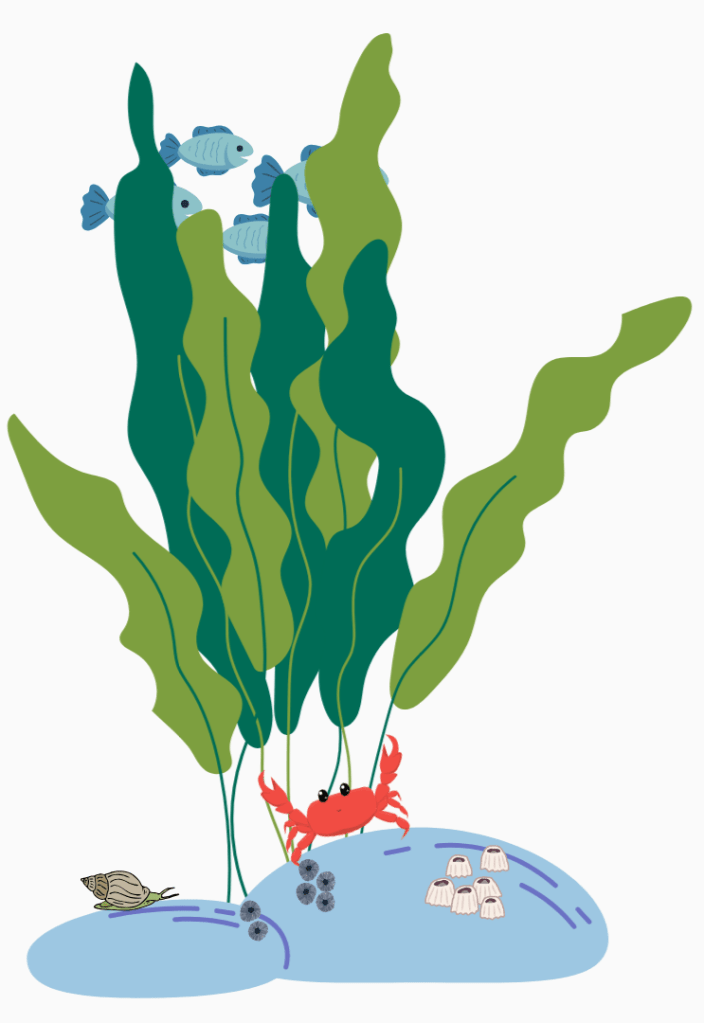
Kelp forests provide important habitats for many marine species. They act like underwater jungles, offering shelter and food for a variety of fish, invertebrates, and other sea creatures. Smaller animals, including juvenile fish species, use the kelp to hide from predators, while others find food in the kelp itself. These forests also serve as nurseries, where young fish and other marine animals can grow and develop safely before venturing out into the open ocean. Without kelp, many species would struggle to find the protection and resources they need to thrive.
Ecosystem Engineers
Oxygen Production
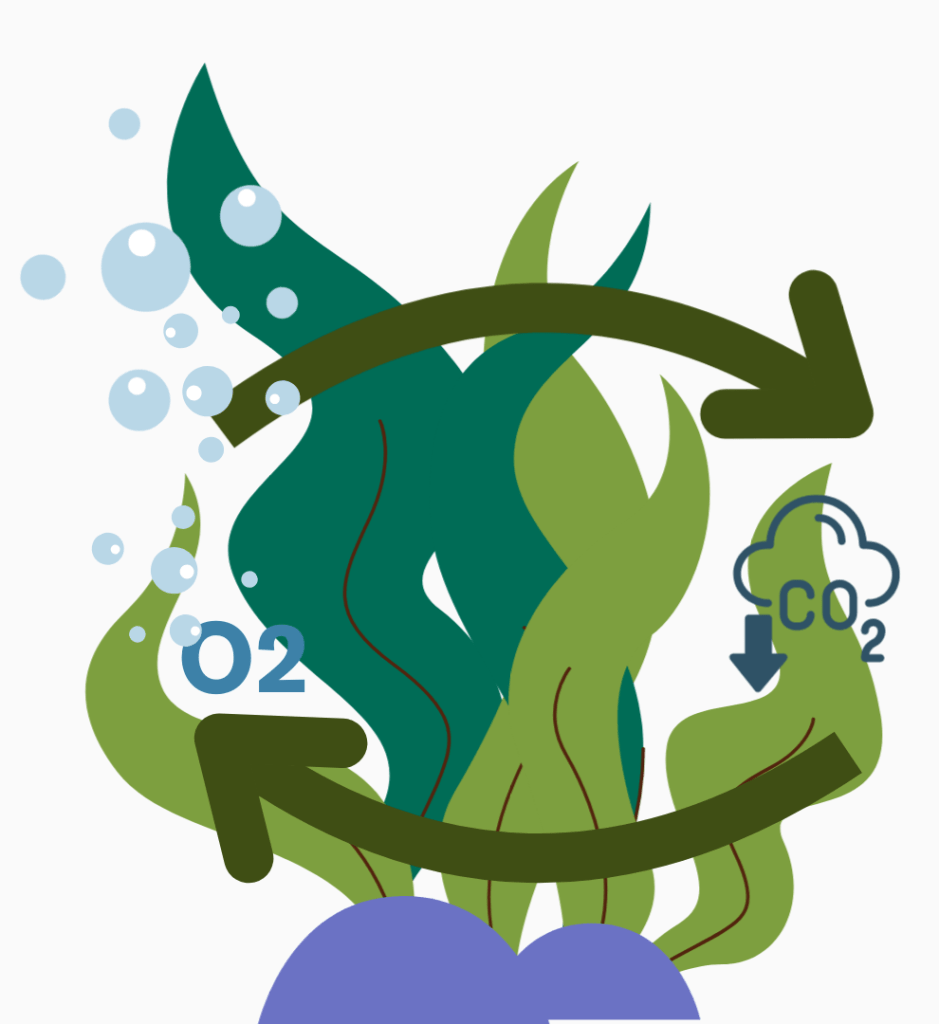
Kelp plays a vital role in producing oxygen for marine life. Like land plants, kelp uses sunlight to perform photosynthesis, a process where it absorbs carbon dioxide and releases oxygen into the water as a byproduct. This oxygen is crucial for many marine species that rely on it to survive. In fact, kelp forests are one of the most productive ecosystems on the planet, generating large amounts of oxygen that support the health of the ocean and all the life within it.
Carbon Conveyor
Kelp forests help regulate the carbon cycle by absorbing dissolved carbon dioxide from the water column and transferring it to other parts of the ecosystem. Through photosynthesis, kelp captures carbon and stores it in its cells. When kelp dies or is eaten by other creatures, some of this carbon has the potential to sink to the ocean floor, or becomes incorporated into the animals tissues and transferred throughout the food-web. The carbon that sinks to the sea floor can become trapped by layers of sediments and stored for long periods of time in a process called carbon sequestration. This helps reduce the amount of additional carbon dioxide in the atmosphere, which is contributing to global warming and ocean acidification.
However, not all kelp ends up in deep sea sediment layers and much of the carbon ends up back in the ecosystem as the blades decay. Kelp releases dissolved organic matter (DOM) into the surrounding water. DOM consists of organic compounds that are derived from plant and microbial processes, including sugars, amino acids, and proteins. This material is an important source of nutrients for microbes in the ocean, contributing to the complex nutrient cycles that support marine life. Kelp’s contribution to DOM helps sustain the food web and influences the overall health of coastal environments.
Coastline Defenders
Coastal Erosion
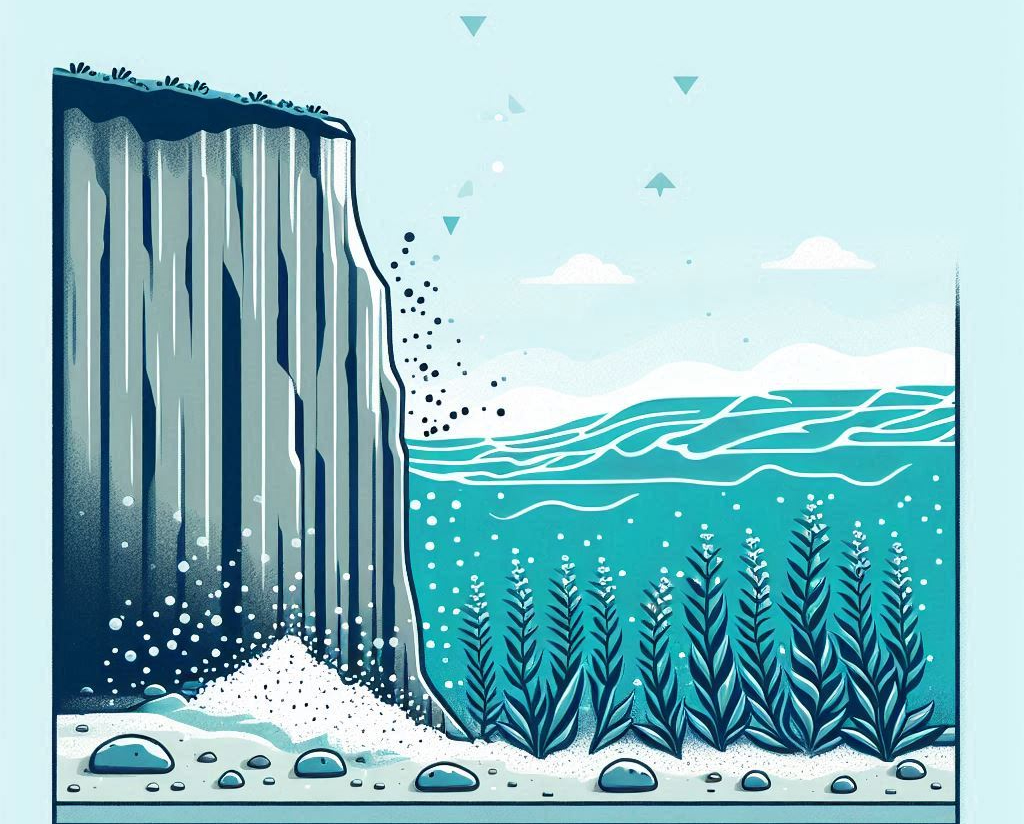
Kelp forests help protect coastlines from erosion. The kelp’s strong and flexible fronds absorb the energy from waves, reducing their impact on the shoreline. This is especially important during storms or high waves, as it helps prevent the erosion of beaches and cliffs. By acting as a natural barrier, kelp helps keep the coastlines intact and prevents the loss of land, which is important for both the environment and human communities living near the coast.

Kelp and its many uses!
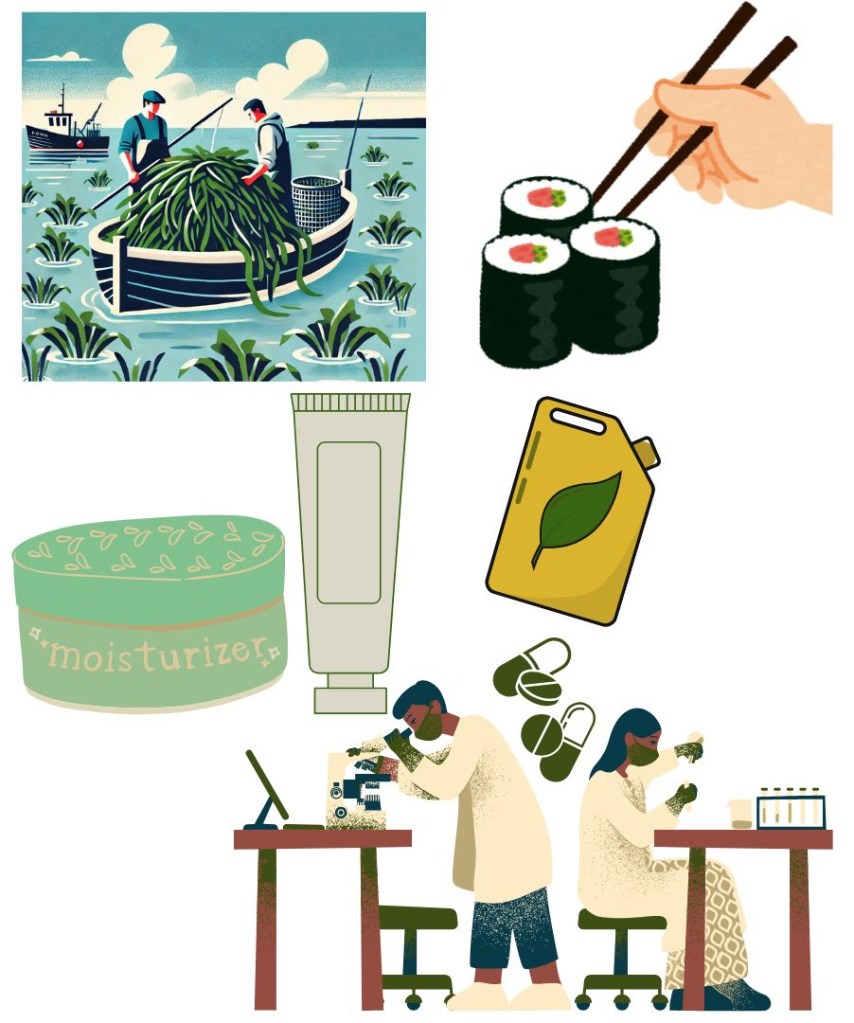
Humans also benefit from kelp in many ways. Kelp is harvested for its high nutritional value, as it is rich in vitamins and minerals. It is used in food products like soups, salads, sushi, and even in supplements for health.
Kelp is also used in cosmetics and skincare products because of its moisturizing and antioxidant properties. The medicinal benefits of kelp are being explored by pharmaceutical companies as alternatives to current drugs and ointments, as well as developing innovative compounds to potentially treat or manage a host of conditions. Additionally, it’s being researched for its potential in creating biofuels and other sustainable resources, making it an important part of efforts to develop more eco-friendly technologies.
Threats
Click the tabs below to continue learning.
Climate Change and Ocean Warming
One of the most significant threats to kelp forests is climate change, particularly ocean warming. As global temperatures continue to rise, so do the temperatures of our ocean waters, which can impact kelp growth both in Ireland and globally. Like most other marine creatures, each kelp species has a specific thermal tolerance range in which it can happily grow and thrive. Typically, kelp thrives in cooler waters and is found along the rocky coasts of more temperate regions. As sea temperatures continue to rise across the globe, we expect that it will impact the range in which kelp forests can continue to grow and reproduce. In some areas, warmer waters may lead to the decline or even disappearance of kelp forests as the average ocean temperature surpasses their thermal limits. This disruption in kelp ecosystems not only affects the kelp itself but also the species that depend on these forests for habitat and food.
Coastal Development and Pollution
Over the years, the oceans have seen a dramatic influx of pollution, including oil spills, plastic waste, and nutrient runoff from agricultural practices. Each of these forms of pollution poses increasing threats to kelp and the ecosystems they support. These pollutants affect both the kelp themselves and the marine life that depends on them for shelter and sustenance. Excess nutrients, such as nitrogen and phosphorus, often from agricultural fertilizers, can cause eutrophication, leading to algal blooms that suffocate kelp and other marine life. Oil spills, wastewater, and plastic litter introduce harmful toxins into the water column, which can be readily absorbed by kelp, resulting in widespread death in the affected areas.
In addition to direct pollutants, coastal development of resorts, homes, and harbours has also increased significantly, creating a number of additional problems for kelp habitats. Urbanization and the construction of these structures often involve substantial amounts of seafloor dredging and coastline development, which directly damages any kelp habitats on the development sites. Furthermore, the destruction of these areas leads to indirect damage to adjacent kelp forests through increased sedimentation and chances in turbidity, which reduces the amount of light available to kelp, hindering its growth and survival.
Over Fishing and Biodiversity Loss
Overfishing, particularly the removal of top predators, severely disrupts the balance of marine ecosystems. Top predators and larger fish play a crucial role in controlling the population of herbivores that feed directly on kelp. By regulating herbivore numbers, these predators help prevent overgrazing of kelp forests, maintaining the health and stability of the ecosystem. This shift can trigger a cascade of ecological changes, altering the structure of marine ecosystems and diminishing biodiversity.
The loss of biodiversity in a kelp forest ecosystem can have devastating consequences that lead to even more problems down the line. Each organism found within a kelp habitat plays an important role as they occupy their given trophic level. The loss of any species, whether predator or prey, can upset the delicate balance of the food web. This disruption often leads to further declines in species diversity as animals struggle to find food or shelter, ultimately degrading the entire ecosystem and diminishing its ability to provide essential services.
Invasive Species
Invasive species represent another major threat to kelp forests. Non-native species, especially non-native algae, can outcompete the native species in kelp forest ecosystems. Similar to the loss of keystone species and biodiversity, these invasive species may disrupt the growth and health of kelp by increasing overgrazing or by altering the physical conditions of the habitat. In some cases, invasive algae can form dense mats that shade out kelp, preventing it from photosynthesizing and leading to its decline. The introduction of invasive species often exacerbates other threats and can be difficult to reverse.
Human Harvesting
Human harvesting of kelp is another significant threat to these ecosystems and its long-term impacts are less understood. Kelp is harvested for various commercial industries, including food production, pharmaceuticals, cosmetics, and biofuels. While sustainable harvesting practices can allow for the replenishment of kelp populations, overharvesting can lead to the depletion of these vital underwater forests. In some regions, kelp is harvested at a rate faster than it can naturally regenerate, leading to declines in local populations. This disruption can affect the entire ecosystem, as it diminishes the availability of habitat and food for marine species that rely on kelp forests. In addition, the removal of large amounts of kelp can alter the structure of the ecosystem, impacting biodiversity and reducing the ability of the forest to provide other ecosystem services, such as carbon sequestration and coastal protection.
Sources
1 Bunker, F. StP. D. Maggs, C. A. Brodie, J. A. Bunker, A. R 2017. Seaweeds of Britain and Ireland. Second Edition. Wild Nature Press, Plymouth, UK.
2 Christie, H., Jørgensen, N. M., Norderhaug, K. M., & Waage-Nielsen, E. (2003). Species distribution and habitat exploitation of fauna associated with kelp (Laminaria Hyperborea) along the Norwegian Coast. Journal of the Marine Biological Association of the United Kingdom, 83(4), 687–699. https://doi.org/10.1017/s0025315403007653h
3 Davis, G. E., Kushner, D. J., Richards, D. V., Lerma, D., & Mondragon, J. M. (1997). Kelp Forest Monitoring Handbook: Channel Islands National Park, California (Vol. 1: Sampling Protocol). Channel Islands National Park, National Park Service.
4 Kelly, E. (ed.) (2005) The role of kelp in the marine environment. Irish Wildlife Manuals, No. 17. National Parks and Wildlife Service, Department of Environment, Heritage and Local Government, Dublin, Ireland.
5 Schoenrock, K. M., Chan, K. M., O’Callaghan, T., O’Callaghan, R., Golden, A., Krueger‐Hadfield, S. A., & Power, A. M. (2020). A review of subtidal kelp forests in Ireland: From first descriptions to new habitat monitoring techniques. Ecology and Evolution, 10(13), 6819–6832. https://doi.org/10.1002/ece3.6345
6 Schoenrock, K. M., O’Callaghan, R., O’Callaghan, T., O’Connor, A., & Stengel, D. B. (2021). An ecological baseline for Laminaria hyperborea forests in western Ireland. Limnology and Oceanography., 66(9), 3439–3454.
7 Smale, D. A., Burrows, M. T., Moore, P., O’Connor, N., & Hawkins, S. J. (2013). Threats and knowledge gaps for ecosystem services provided by Kelp Forests: A northeast atlantic perspective. Ecology and Evolution, 3(11), 4016–4038. https://doi.org/10.1002/ece3.774
8 Soler-Vila, A., Edwards, M., Whelan, S., Hanniffy, D., Heesch, S., Hernández-Kantún, J., Moniz, M., Quéguineur, B., Ratcliff, J., Wan, A.H.L., and M.D. Guiry. (2022). Macroalgae Fact sheets (2nd Edition), Galway, Ireland. 66 pp.
Here are some fascinating resources with more information on kelp!
Seaweed Ireland offers an outstanding array of resources dedicated to local seaweed and its diverse applications. Don’t miss the opportunity to download their field guide here!
Discover more!
Check out some of our friends for more information on kelp forests, local research projects and discover more of the wonderful marine life found in Irish waters.
Check out our friends at SeaSearch Ireland to find out more information on local initiatives, citizen science projects, and an excellent species guide to identify some of the common marine creatures found along our shores.
Dr. Kathryn M. Schoenrock
Check out fellow researcher and local kelp forest extraordinaire, Dr. Kathryn Schoenrock. Her work on Irish kelp forests have been invaluable to our understanding of these fascinating marine habitats. You can help contribute to the KelpRes project today and become an ocean advocate.

Aoibheann Gillespie-Mules
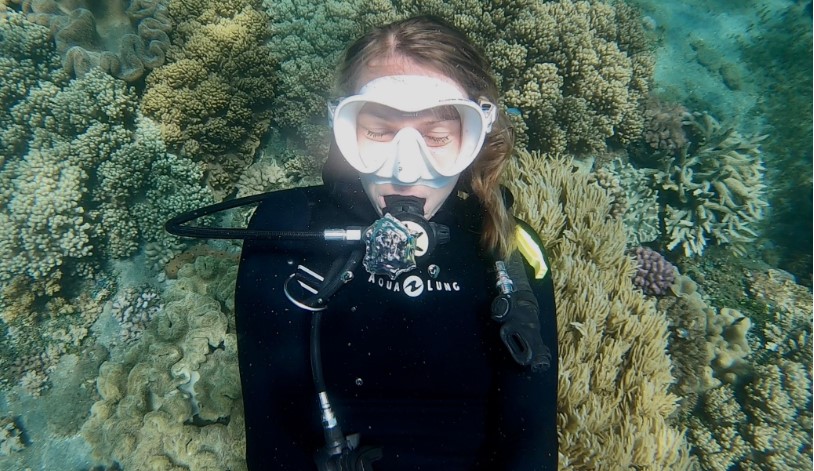
Aoibheann is a marine scientist, scuba dive instructor, and conservation educator with over nine years of global experience. Through underwater photography, she shares the beauty found in marine life and ecosystems, and has graciously provided us with the images you see featured on our website. Now based in Ireland, she uses education and visual storytelling to promote ocean conservation and awareness.
Check out her Website Coral reef beauty and Instagram for more amazing content!
Explore Your Shore! offers a host of amazing resources to learn from and will enhance your beach-combing experiences. An excellent marine biodiversity platform that allows you to easily identify local marine critters and shares an abundance of knowledge about Irish waters.


The National Biodiversity Data Center is the home of Irelands wildlife reports and observations. Their interactive page provides great resources and maps filled with all sorts of biodiversity data. From birds to crustaceans, from bees to otters, check out the NBDC for up-to-date sightings on the wildlife found here on our beautiful green island.
 The SeaForest Project